
Pediatric TMD (temporomandibular disorder) refers to jaw joint and muscle problems in children, which may lead to jaw clicking, facial pain, difficulty chewing, or sleep disturbances. If your child is experiencing jaw pain, an early evaluation is important. Left unaddressed, jaw joint issues may affect development and comfort over time — that’s why we recommend an evaluation.
Children & Development • Payson, Utah
Pediatric TMJ & Sleep-Disordered Breathing
In a growing child, breathing, sleep and jaw development are linked. Mouth breathing, restless sleep and jaw clicking are worth a look early — while growth is still on our side.

Pediatric Care in Payson
Warning Signs and When to Seek Help
Frequent jaw discomfort, clicking when opening the mouth, or trouble chewing can be more than a phase — they can be signs of a TMJ disorder. These are easy to miss in children, and they can affect sleep, focus and growth. We evaluate the whole picture and build a plan around what we find. Watch for:
Chronic mouth breathing
Snoring, gasping, or restless sleep
Jaw clicking, clenching, or teeth grinding
Night terrors or frequent awakenings
Difficulty concentrating, hyperactivity, or other behavioral concerns
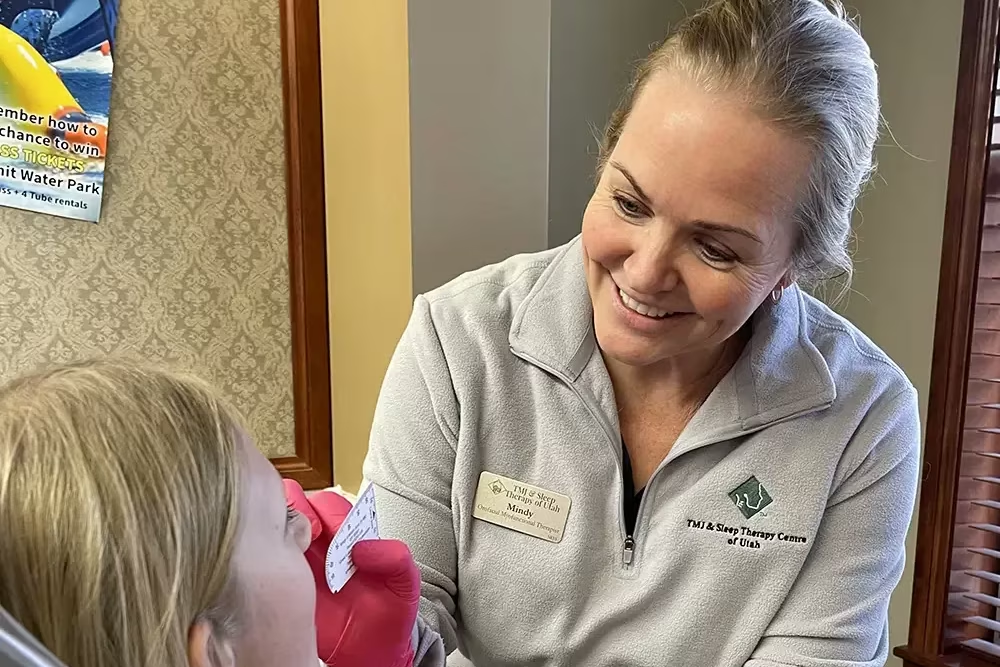
Pediatric Services
Explore Our Care for Children
Each of these treatments supports healthy jaw growth, nasal breathing, and restful sleep.

Myobrace® for Children
Early orthodontic intervention that supports healthy jaw development and breathing in children.

Myofunctional Therapy for Children
Exercises that may help strengthen airway muscles and support easier breathing during sleep, as part of a plan for sleep-disordered breathing.

Tongue Tie Evaluation and Treatment
Personalized tongue tie evaluations for kids and adults, because a tongue tie can affect breathing, speech, jaw development, and oral function.
Lip Tie
Lip ties can affect oral health, feeding, and development. Learn how our team evaluates and treats them.

Airway Orthodontics
Treatment that guides jaw development to support easier breathing and better sleep.
How We Care for Growing Patients
Sleep & Breathing • Jaw & Facial Pain
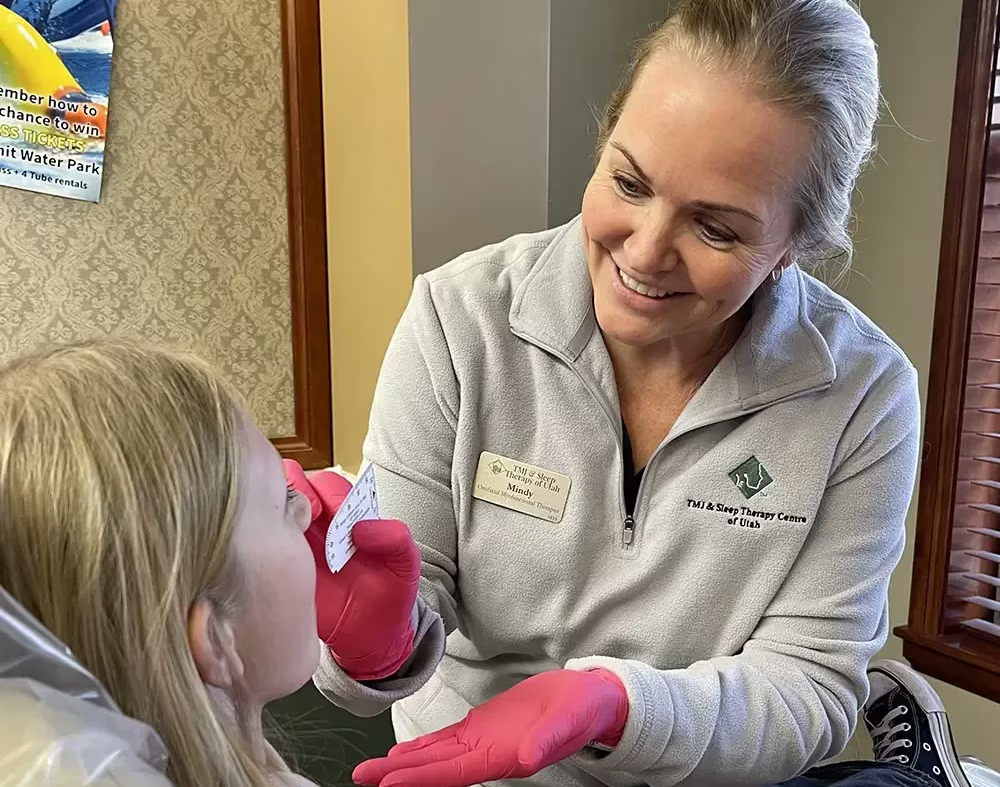
Sleep & Breathing
Adult therapies like CPAP can work against a growing face. We use methods that work with growth.
What we look for
- Myofunctional therapy — blowing games and tongue slides
- Myobrace® for guided jaw and airway development
- Airway orthodontics where jaw structure is a factor
- Collaboration with ENT for tonsils, adenoids and sinus issues
Signs parents notice: snoring, mouth breathing, restless sleep or night terrors, bed-wetting, trouble concentrating or hyperactivity.
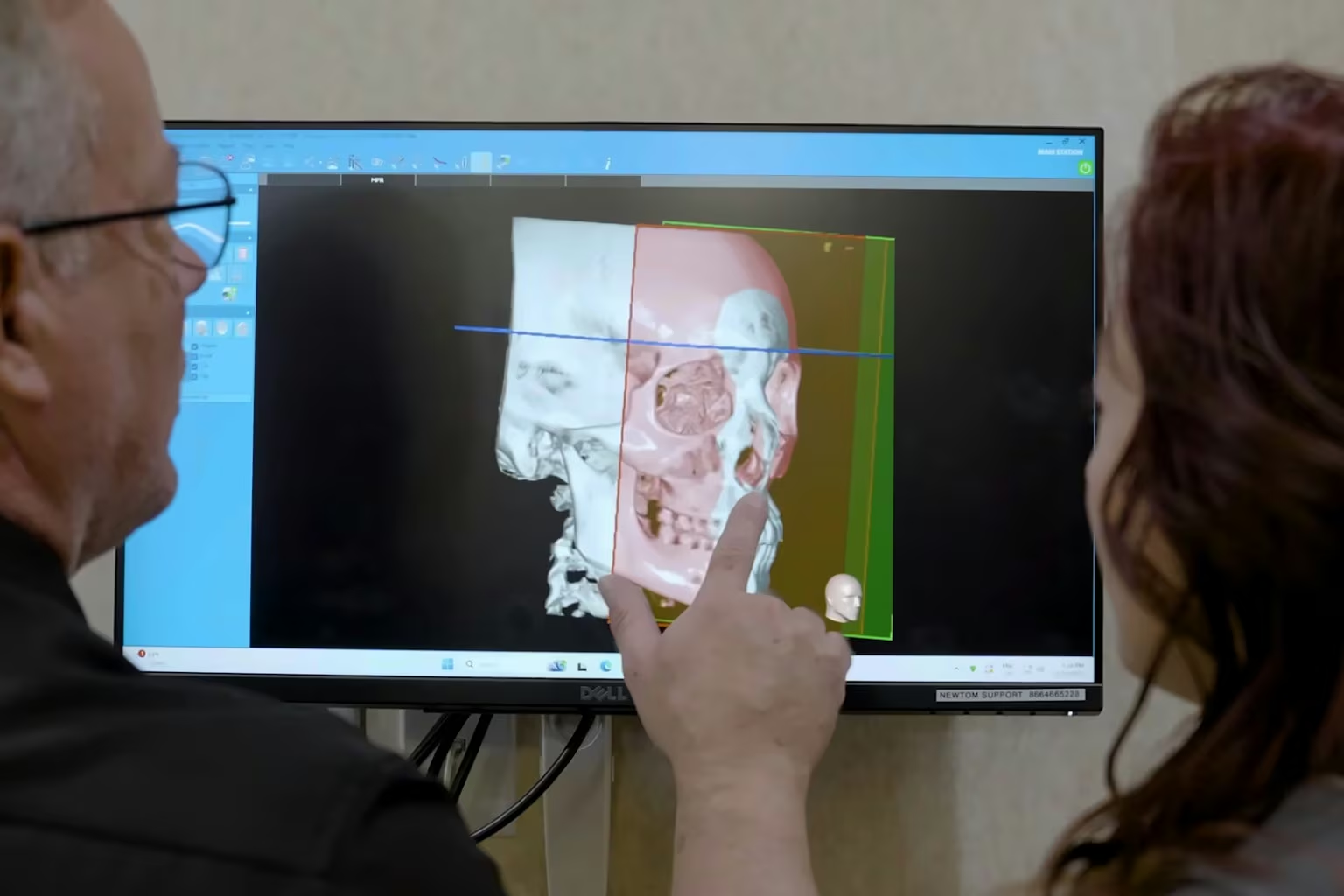
Jaw & Facial Pain
Jaw joint problems (TMD) in children are easy to miss because the child has never known anything else.
What we look for
- A comprehensive evaluation of the jaw, bite and muscles
- Gentle jaw-alignment appliances sized for a growing mouth
- Myofunctional exercises to retrain how the muscles work
- Coordination with your pediatrician
Signs parents notice: jaw clicking or popping, clenching or grinding, headaches or earaches, limited opening, difficulty chewing — these are reasons to be evaluated, not a self-diagnosis.
How It Works
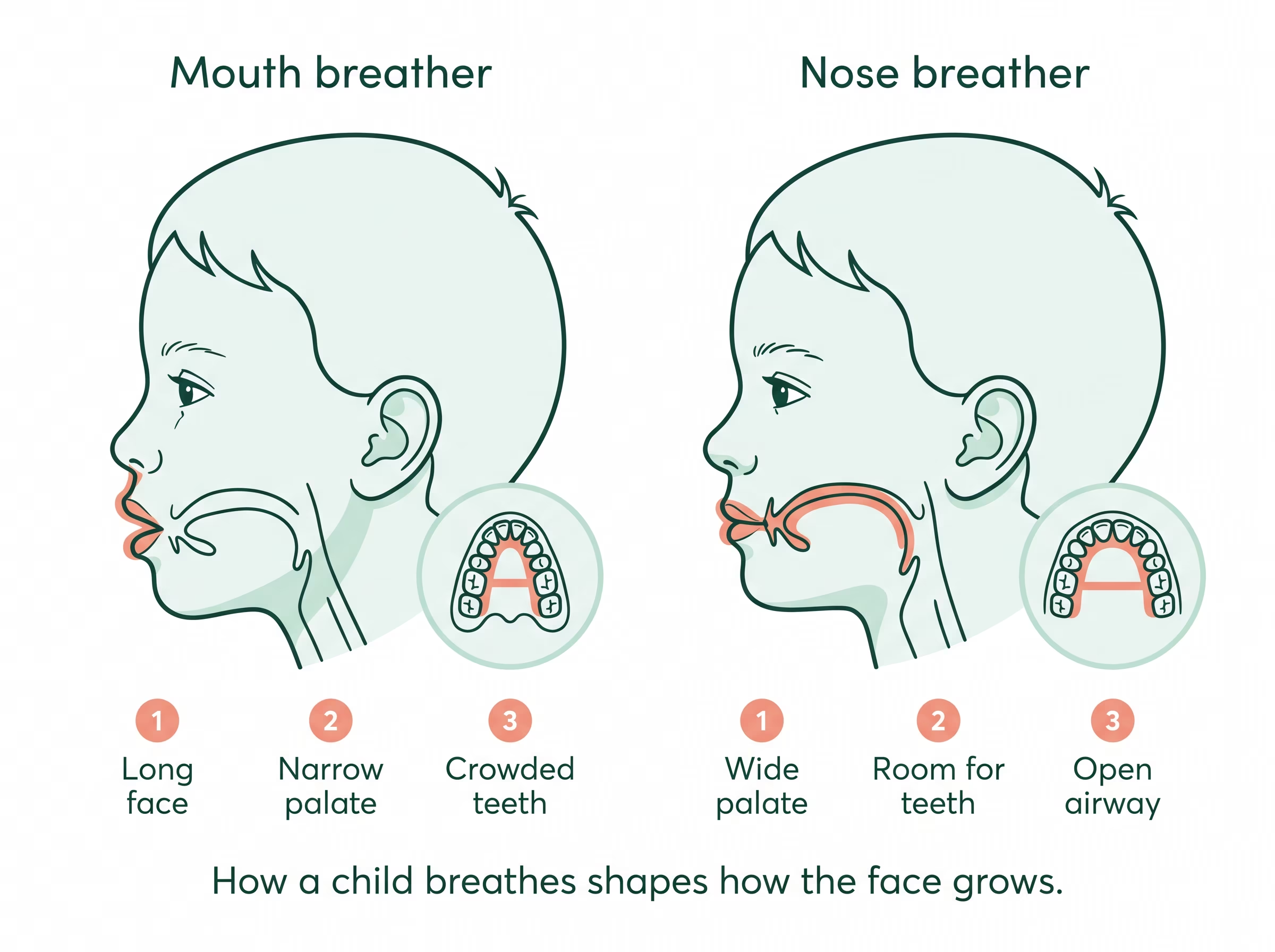
Two Ways a Face Can Grow
How a child breathes is closely linked to how the face grows.
- Mouth breather — long face, narrow palate, crowded teeth.
- Nose breather — wide palate, room for teeth, open airway.
What to Expect
How an evaluation works
Three steps, in order. Nothing is recommended until the first two are done.
Request an evaluation
Tell us what you are experiencing, in your own words. Call, text or send a message and we will arrange a time.
A comprehensive assessment
We examine the jaw, muscles, airway, sleep and oral function together and review your history.
A plan built on the findings
We explain what we found and what is contributing, then recommend care that fits it.
Ready When You Are
Early Is Easier
If your child snores, breathes through the mouth or complains of jaw pain, an evaluation now can help support how their face and airway develop. Request a pediatric evaluation or call (385) 446-4947.
Common Questions
Frequently Asked Questions About TMJ in Children
Common signs include jaw stiffness, headaches, popping sounds when opening the mouth, or complaints of earaches — these are reasons to be evaluated, not a diagnosis on their own. If you’re noticing these symptoms, it’s a good time to schedule an evaluation for your child. A team that evaluates children’s jaws and airways together means care tailored to their growing anatomy.
At TMJ and Sleep Therapy Centre of Utah, our team evaluates and treats jaw joint issues (TMD) in children every day, with a gentle approach built around each child’s growing jaw and airway.
If You Are Not Sure Yet
Take a symptom assessment
A few minutes of questions to help you describe what you are experiencing. It is not a diagnosis; it gives us somewhere to begin.
Jaw, face or head pain
Jaw pain, headaches, or clicking when you chew may point to a TMJ disorder, or to something that interacts with it.TMJ Symptom Assessment
Snoring, fatigue or broken sleep
Snoring, gasping for air, or waking unrefreshed can be signs of a sleep-related breathing problem.Sleep Symptom Assessment