

TMD can contribute to snoring by affecting jaw position and airway function during sleep. If your jaw is misaligned or under tension, it may restrict airflow and contribute to noisy breathing—jaw dysfunction is an often-overlooked contributing factor in chronic snoring.
Payson, Utah
Snoring
Snoring is airflow squeezing past soft tissue. We start with an evaluation, arrange a sleep study when it’s indicated, and recommend treatment based on what we find.

Snoring Treatment in Utah
What Causes Snoring?
Snoring occurs when airflow becomes partially restricted during sleep, causing soft tissues in the airway to vibrate. This restriction may develop for several reasons, including airway narrowing, poor tongue posture, nasal congestion, jaw positioning, muscle relaxation during sleep, or sleep-disordered breathing conditions such as obstructive sleep apnea.
For many patients, chronic snoring affects both sleep quality and overall health. In addition to disturbing sleep for bed partners, untreated snoring may contribute to daytime fatigue, poor concentration, headaches, and ongoing sleep disruption.
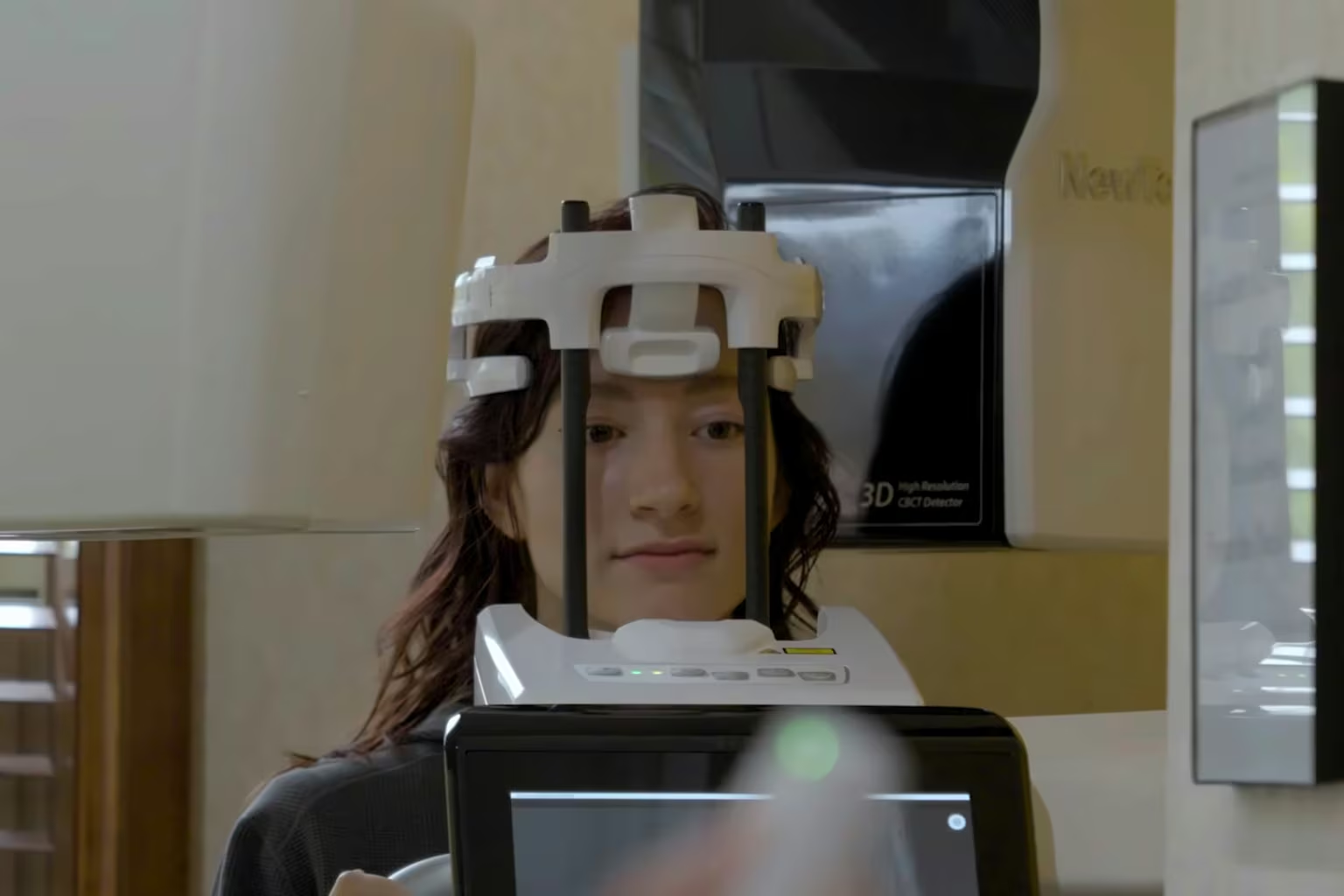
What Is Happening
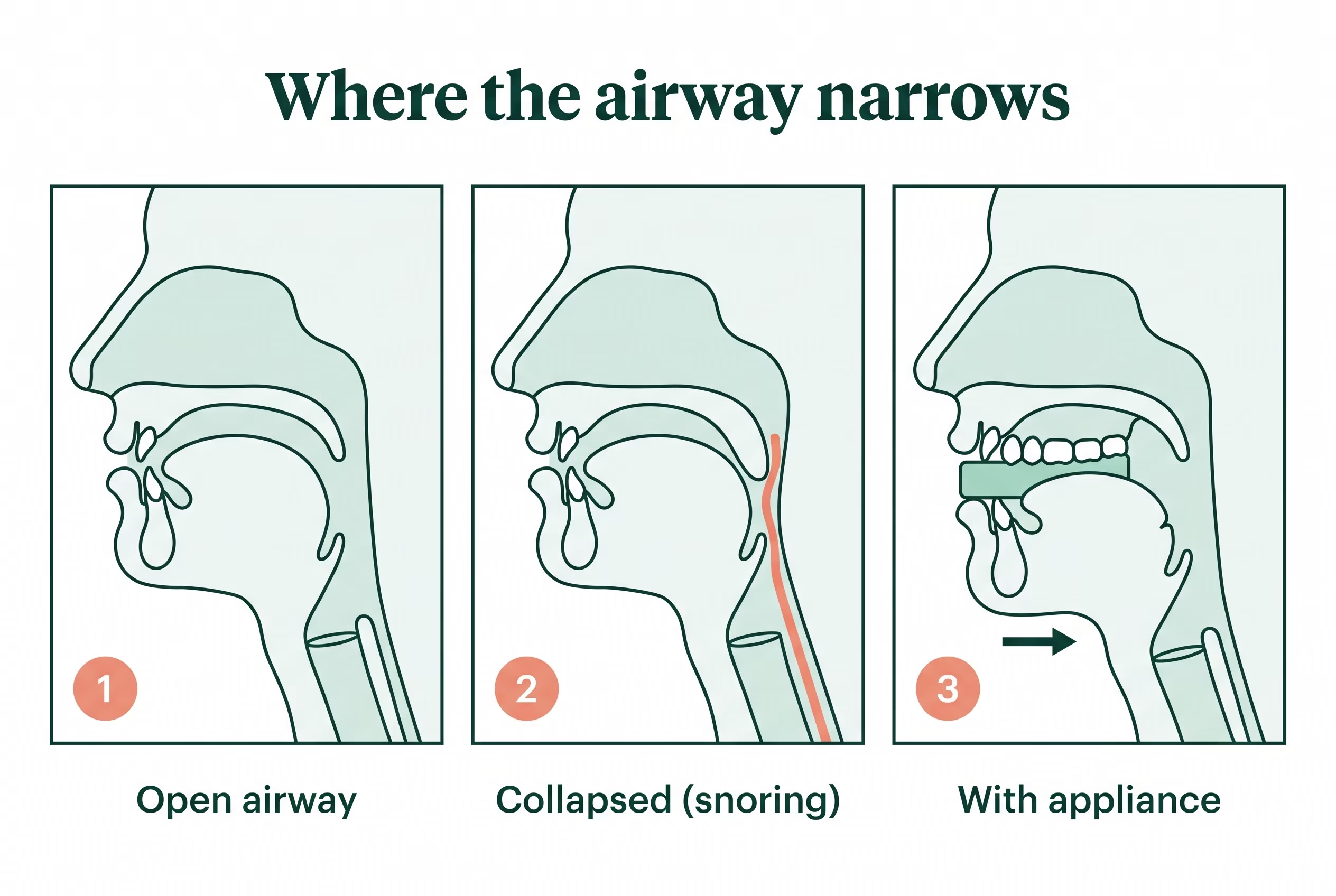
Where the airway narrows
Open airway, collapsed (snoring) airway, and the airway held open with an oral appliance.
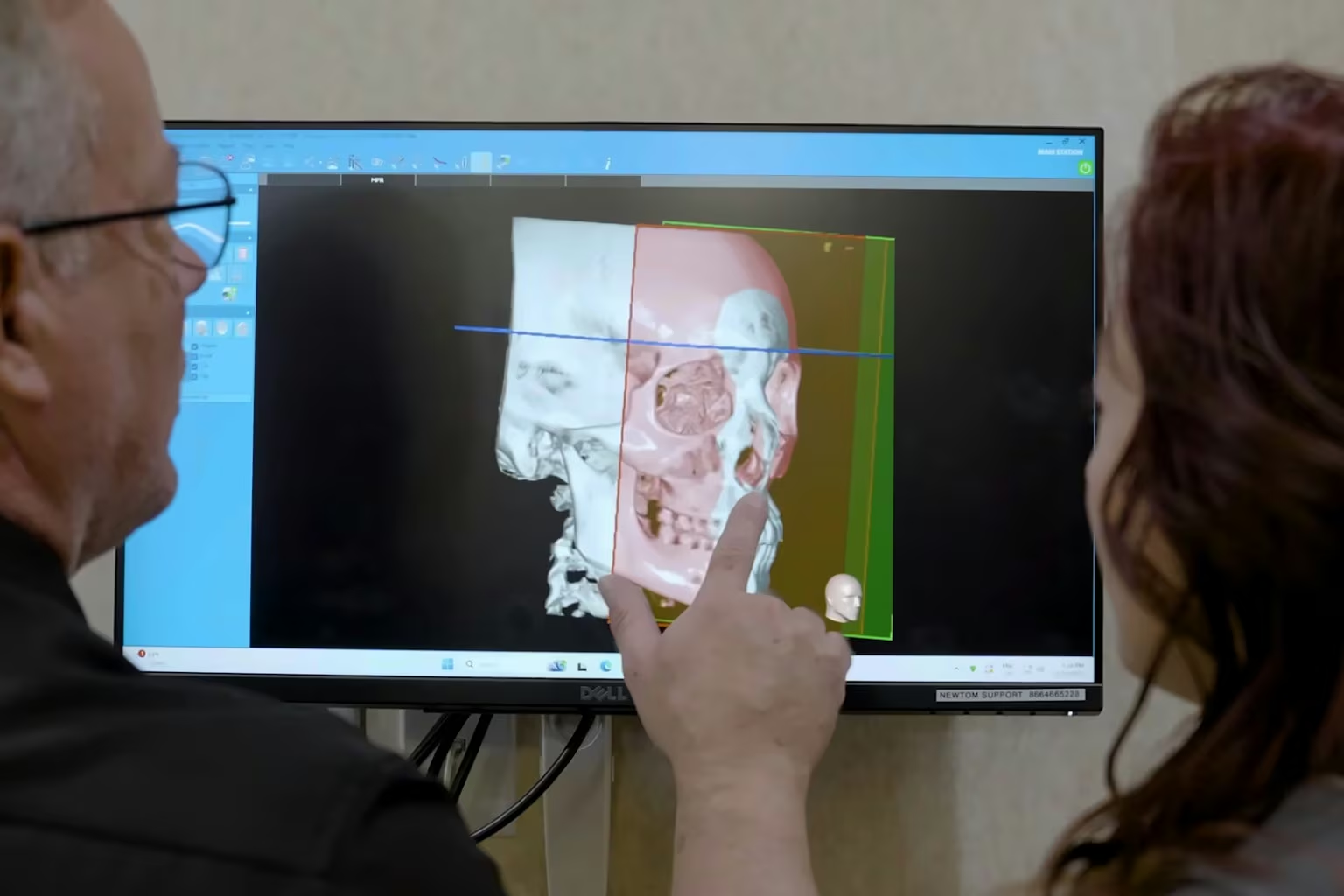
Signs, Causes & Care
Signs • Causes • How We Evaluate and Treat
Signs You May Notice
Persistent or worsening signs can point toward sleep apnea rather than simple snoring.
Signs to watch for
- Loud or frequent snoring
- Daytime fatigue or sleepiness
- Dry mouth upon waking
- Morning headaches
- Restless or interrupted sleep
- Difficulty concentrating
- Gasping or choking during sleep
- Reports from bed partners about breathing interruptions
Snoring or sleep apnea?: gasping or choking sounds, pauses in breathing, waking unrefreshed.
What’s Behind It
Snoring has several possible contributors, and often more than one is at play.
What contributes
- Airway narrowing
- Tongue posture
- Nasal congestion
- Jaw position
- Muscle relaxation during sleep
- Obstructive sleep apnea
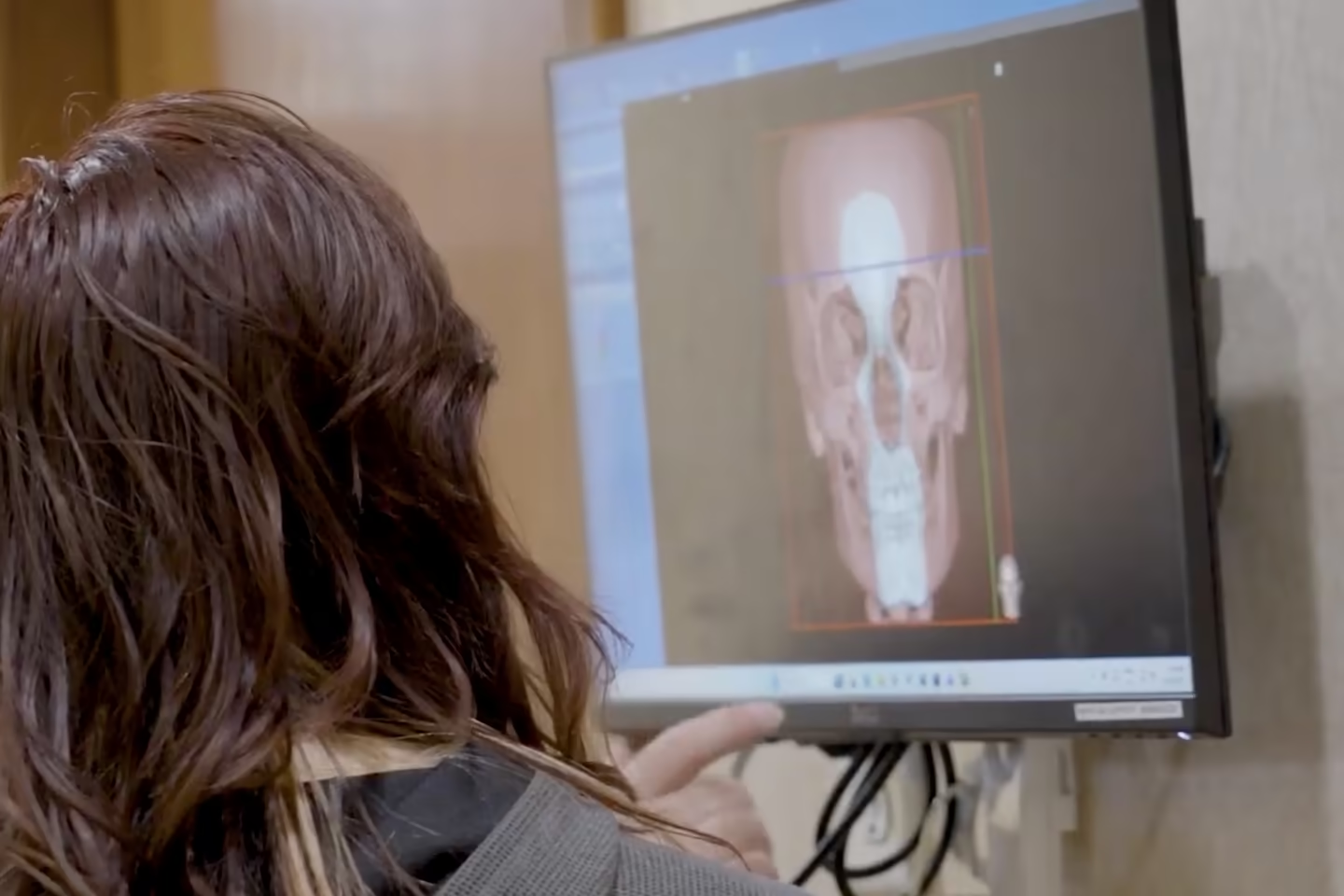
What we measure: airway scan, nasal airflow, jaw position, sleep screen.
How We Evaluate and Treat It
Treatment is based on what the evaluation and, when indicated, a sleep study show.
How we treat it
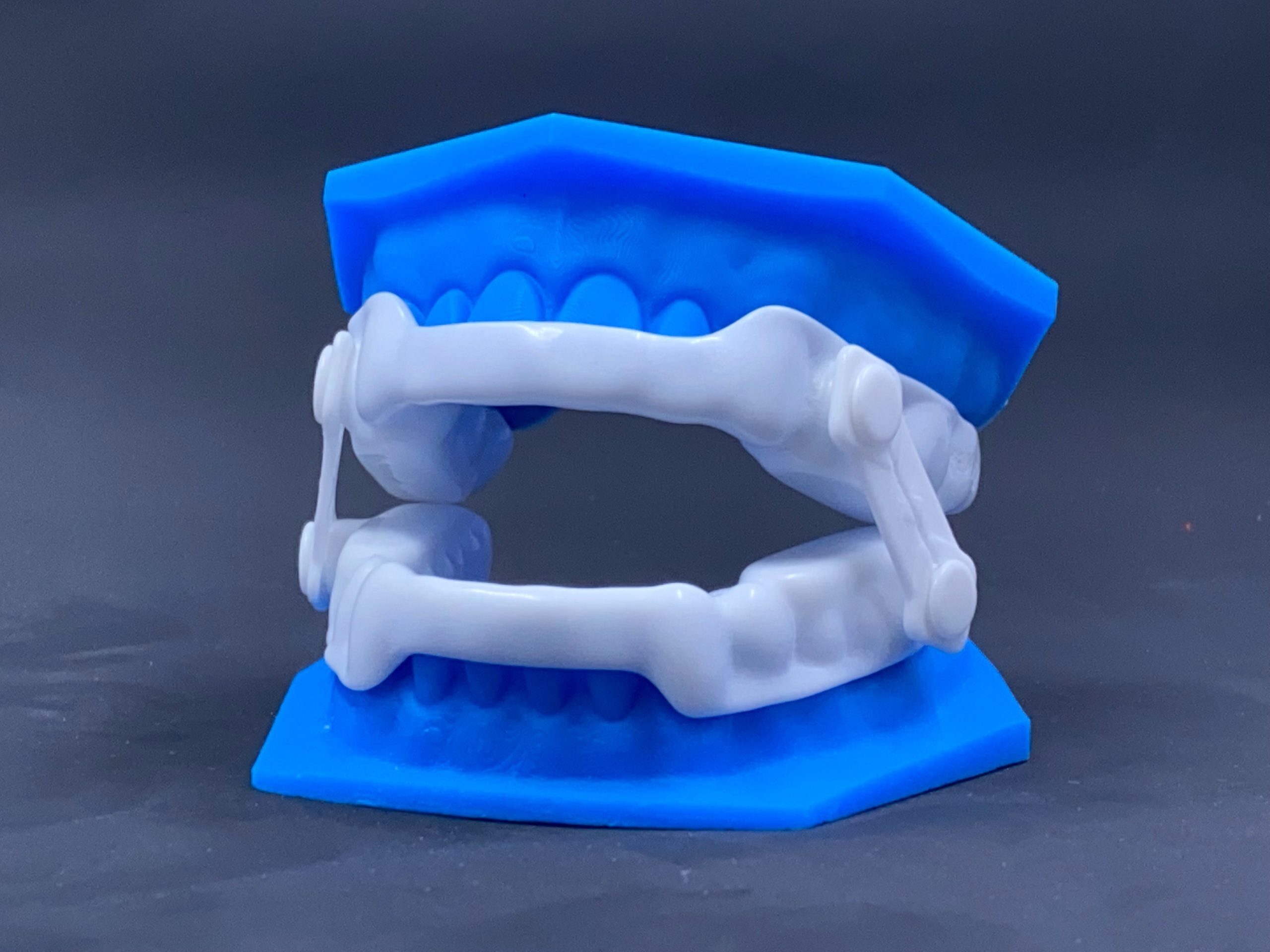
Personalised plan: When an appliance is recommended, it holds the jaw slightly forward, which can help reduce snoring and support airflow in appropriately selected patients.
Ready When You Are
Quiet Nights Start With an Airway Check
We start with an evaluation, arrange a sleep study when it’s indicated, and recommend treatment based on what we find. Call (385) 446-4947.
Request an Evaluation
Common Questions
Frequently Asked Questions About Snoring Treatment
TMD-related snoring is snoring that is linked to or worsened by temporomandibular joint dysfunction. At TMJ and Sleep Therapy Centre of Utah, we address this using oral appliances, jaw alignment therapy, and muscle relaxation techniques, chosen based on your evaluation, that aim to reduce airway obstruction and nighttime noise.
Many patients reduce snoring with oral appliances that reposition the jaw for better airflow, instead of a CPAP machine. We look at what is actually narrowing the airway, especially when it is linked to TMJ dysfunction.
Our Payson team evaluates airway health, jaw alignment and sleep quality so you and your household sleep soundly.
Yes—especially if your snoring is chronic, disruptive, or comes with fatigue or jaw pain. We can help determine whether your symptoms are related to TMD, sleep apnea, or another underlying issue, and build a plan that works for you.
If You Are Not Sure Yet
Take a symptom assessment
A few minutes of questions to help you describe what you are experiencing. It is not a diagnosis; it gives us somewhere to begin.
Jaw, face or head pain
Jaw pain, headaches, or clicking when you chew may point to a TMJ disorder, or to something that interacts with it.TMJ Symptom Assessment
Snoring, fatigue or broken sleep
Snoring, gasping for air, or waking unrefreshed can be signs of a sleep-related breathing problem.Sleep Symptom Assessment