
Migraine is a neurological condition, and headaches can have many possible causes, so the honest answer is: not on its own, but jaw dysfunction may be a contributing factor for some patients. TMJ dysfunction and jaw muscle tension are associated with headache and facial pain, and research shows migraine is common among people being evaluated for jaw-related symptoms. Because head pain can come from vascular, structural, hormonal, neurological, or musculoskeletal causes, a proper evaluation should rule out other causes before treatment focuses on the jaw.
Payson, Utah
Headaches & Migraines
Migraine is a neurological condition, but jaw tension and muscle strain can contribute to head and facial pain for some patients. We evaluate the joint, muscles, airway and bite, then recommend care based on what we find.

Migraine and Headache Evaluation in Utah
Understanding Headaches, Migraines and Jaw Function
The temporomandibular joints play an important role in speaking, chewing, and overall jaw movement. When these joints become inflamed, overworked, or improperly aligned, they can place excessive strain on nearby muscles and nerves throughout the jaw, face, head, and neck.
Migraine is a neurological condition. Research also shows it is the most common type of primary headache among patients being evaluated for jaw joint and muscle issues — the two are frequently comorbid, not causally linked. For some patients, jaw dysfunction and muscle tension from jaw clenching may contribute to head, face, and neck pain that overlaps with migraine symptoms. A thorough evaluation looks at the jaw, muscles, airway, and other possible factors before any treatment is recommended.
What Is Happening
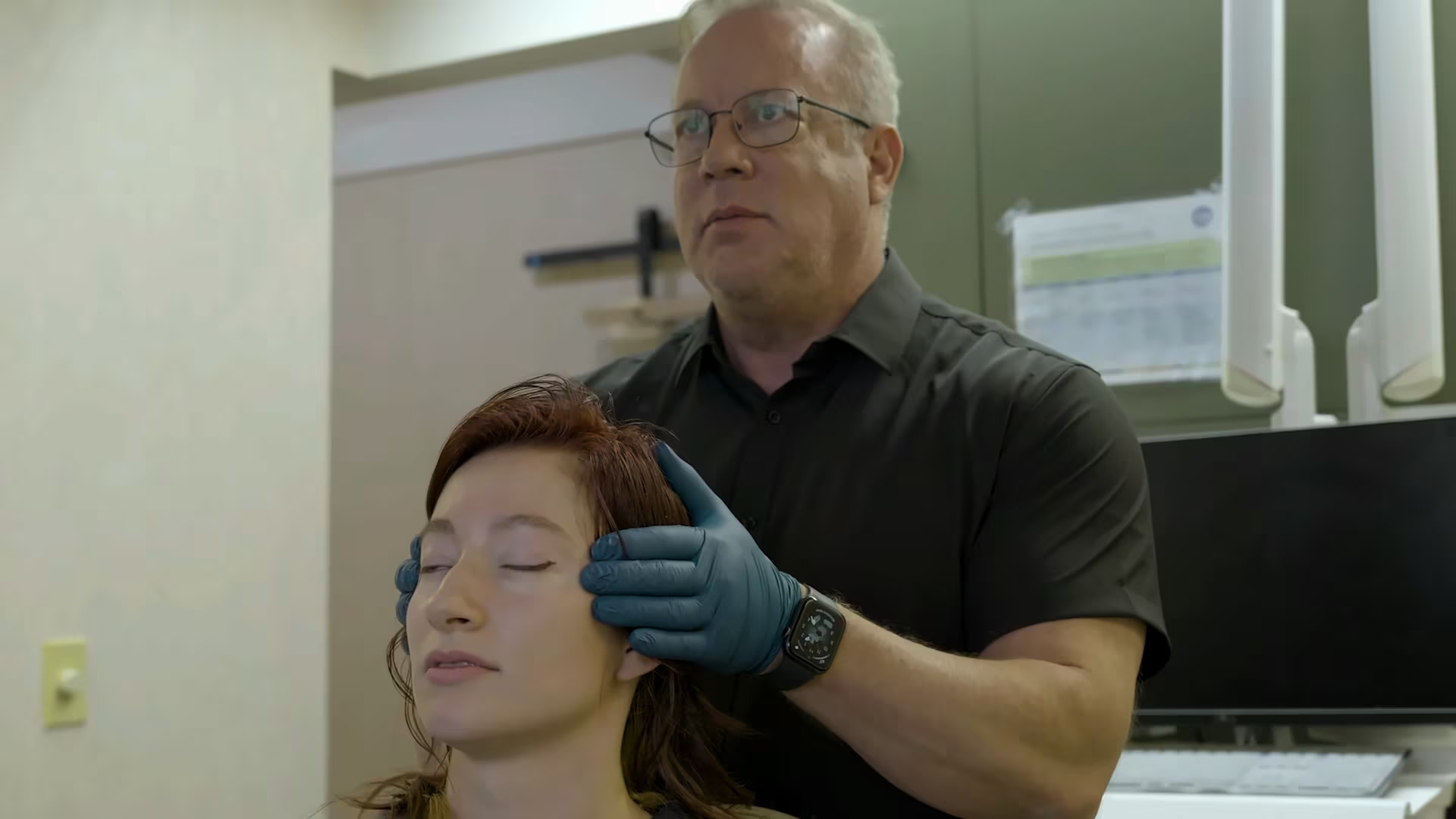
How jaw tension may contribute to head pain
Clenching can strain the jaw muscles and irritate nerve pathways that run through areas where headache pain is often felt.
Signs, Factors & Care
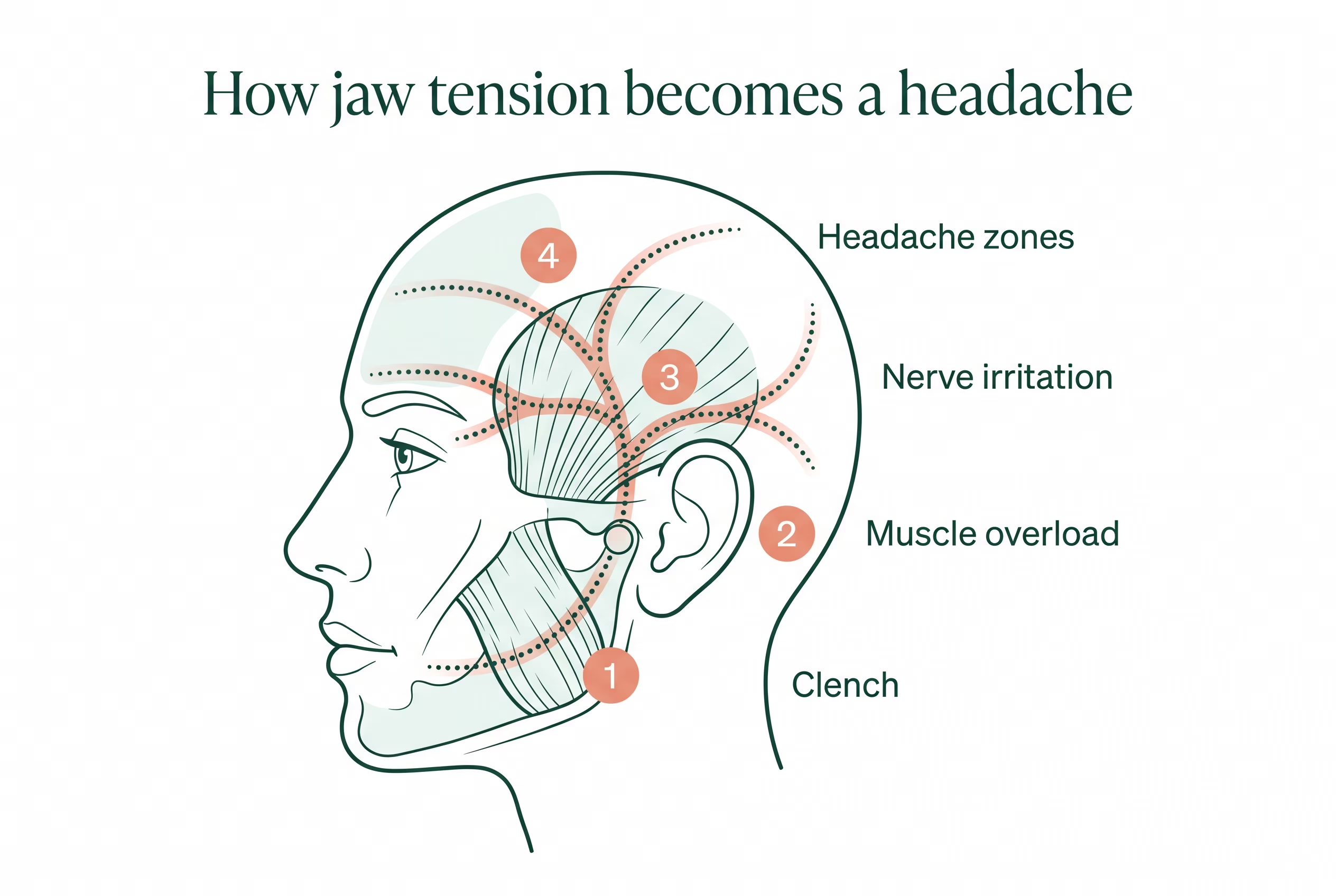
Signs • Contributing Factors • How We Evaluate and Treat
Signs You May Notice
Headache and facial pain that may be related to jaw or muscle tension often follow a pattern.
Signs to watch for
- Throbbing or persistent headaches
- Pain near the temples, jaw, or ears
- Facial soreness and muscle tightness
- Teeth grinding or tension
- Neck and shoulder discomfort
- Sensitivity to light and sound
- Clicking or popping in the jaw
- Morning headaches or facial fatigue
What patients notice: recurring pain around the temples, jaw or neck, headaches that worsen after sleep or stress, jaw tension alongside the headache.
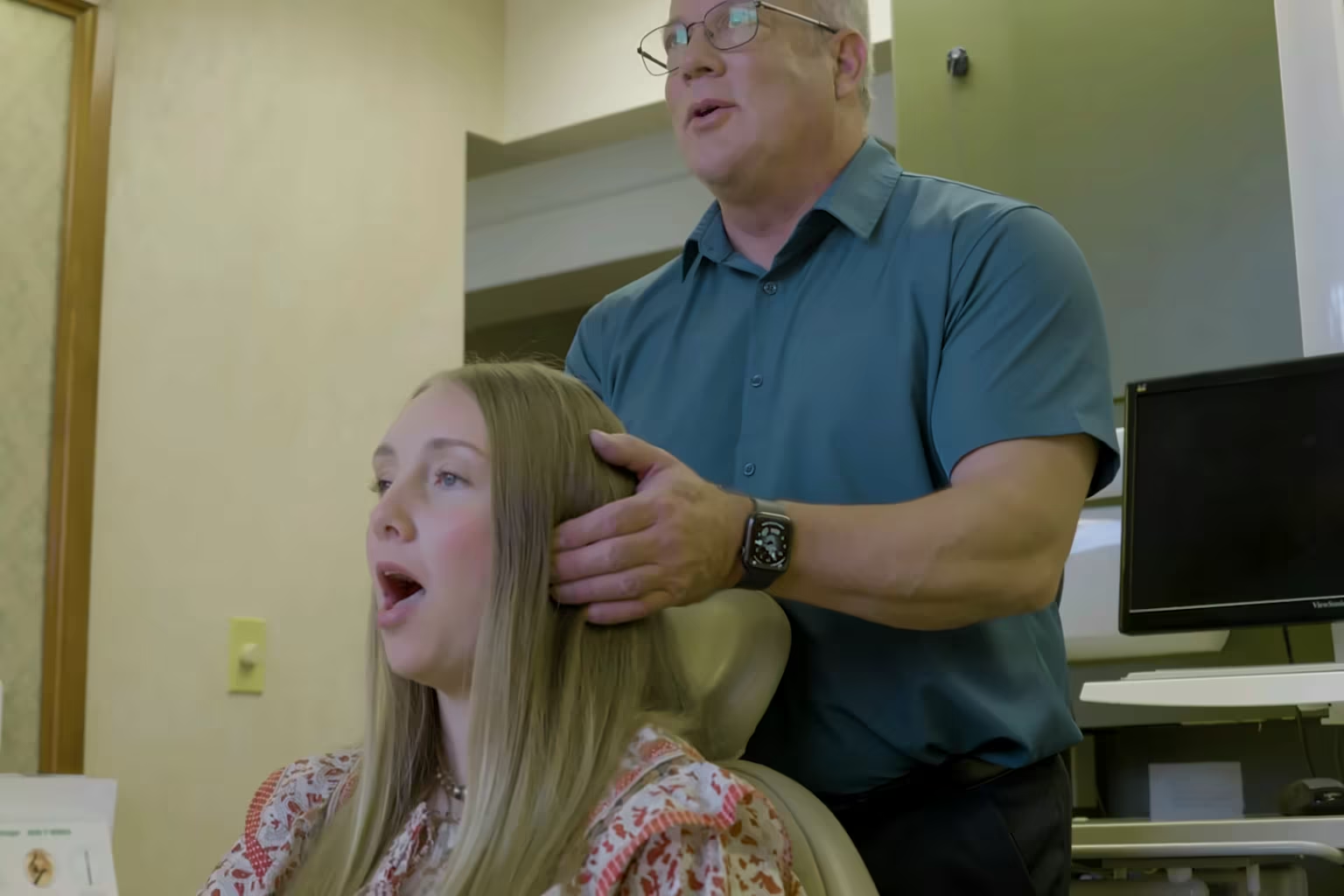
What May Be Contributing to Your Pain
For some patients, jaw joint and muscle function is one of several possible contributing factors in head and facial pain.
What contributes
- Muscle tension
- Clenching
- Joint inflammation
- Nerve irritation
- Night-time clenching or sleep factors
- Airway and sleep-disordered breathing
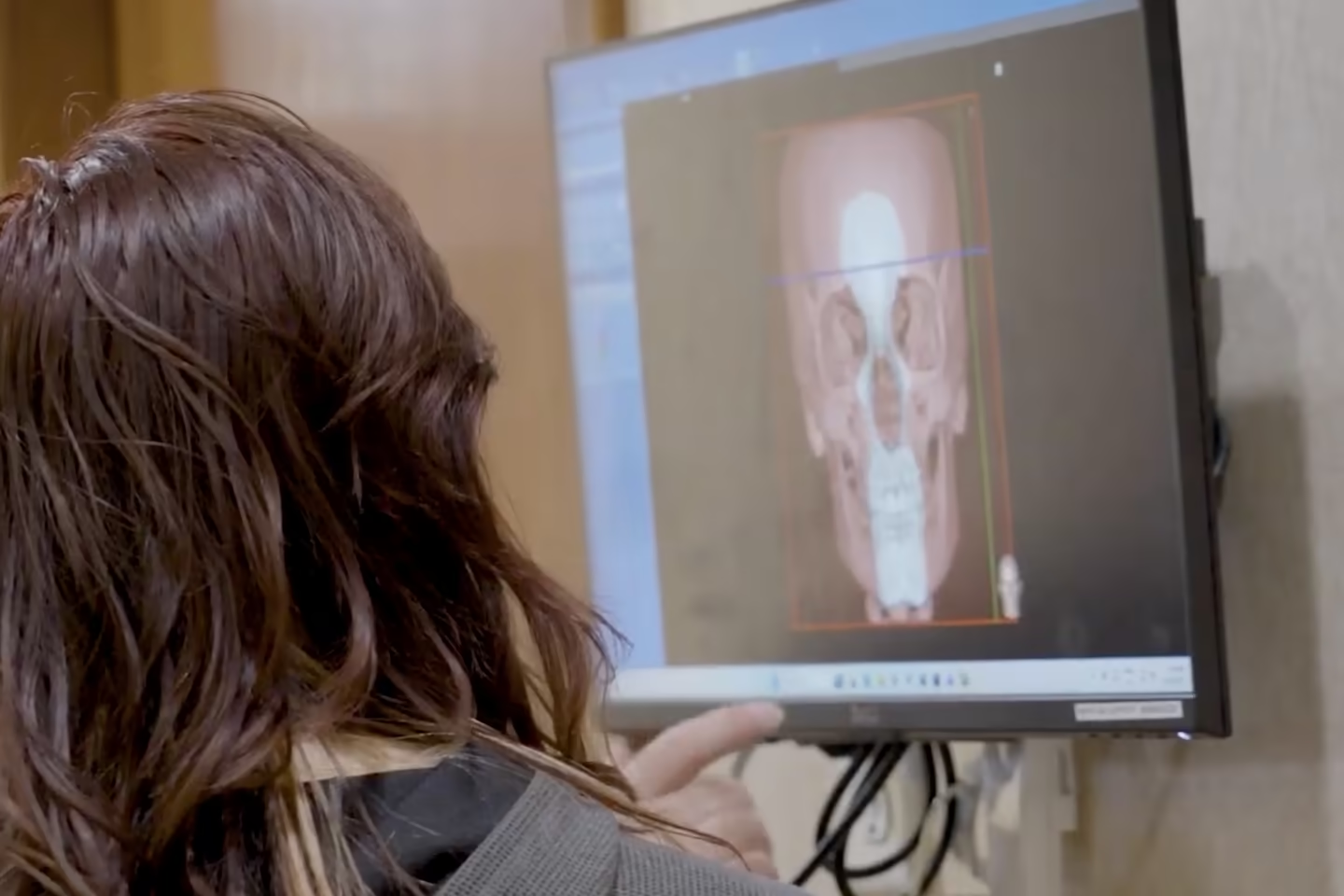
What we look for: jaw pain or limited jaw movement, ear pressure, and headache patterns that line up with jaw or muscle findings — evaluated alongside your full health history, since migraine and other neurological or hormonal causes need to be considered too.
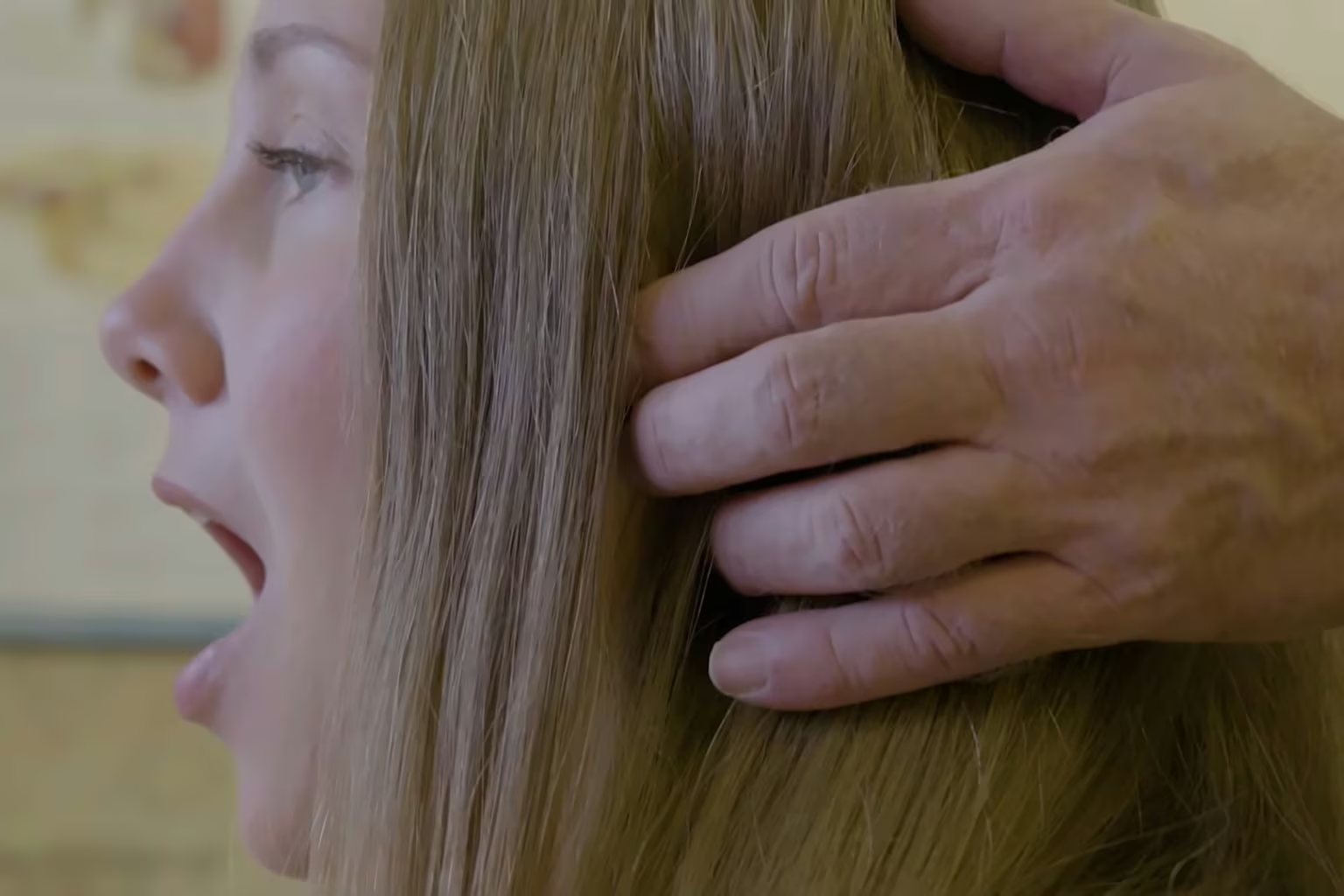
How We Evaluate and Treat It
Once we understand what may be contributing, we recommend treatment based on what we find — which may include the joint, the muscles, or other factors.
How we treat it
- Oral appliance therapy
- Bite stabilization
- Jaw-muscle relaxation
- Sleep screening
Our goal: fewer headaches, a more comfortable jaw, and better sleep — based on what your evaluation shows.
Ready When You Are
Find Out What May Be Contributing to Your Pain
If headaches or migraines have not responded to your usual treatment, an evaluation of your jaw, muscles, airway and bite can help identify whether they are part of the picture. Call (385) 446-4947.
Request an Evaluation
Common Questions
Frequently Asked Questions About Headaches, Migraines and Jaw Health
A headache related to jaw or muscle tension often presents as a dull, aching pain in the temples, behind the eyes, or around the jaw. It may be accompanied by jaw stiffness, clicking, or facial soreness—especially after chewing, clenching, or waking up.
We start with a full evaluation of your jaw, joint, muscles, airway, and health history—not an assumption. Because headache and migraine can come from vascular, structural, hormonal, neurological, or musculoskeletal causes, ruling those out is part of the process. If jaw or muscle findings are part of the picture, that shapes your treatment plan; if not, we will help point you toward the right specialist.
TMJ and Sleep Therapy Centre of Utah offers treatment based on what your evaluation finds. This may include oral appliances, jaw alignment therapy, muscle relaxation techniques, and lifestyle changes to relieve strain and support jaw function.
For some patients, yes—when jaw dysfunction or muscle tension is contributing to headache or facial pain, addressing it can reduce that added strain. Migraine itself is a neurological condition and should still be managed with your physician or neurologist; jaw treatment is one piece of the picture when your evaluation shows it is relevant, not a replacement for migraine-specific care.
If You Are Not Sure Yet
Take a symptom assessment
A few minutes of questions to help you describe what you are experiencing. It is not a diagnosis; it gives us somewhere to begin.
Jaw, face or head pain
Jaw pain, headaches, or clicking when you chew may point to a TMJ disorder, or to something that interacts with it.TMJ Symptom Assessment
Snoring, fatigue or broken sleep
Snoring, gasping for air, or waking unrefreshed can be signs of a sleep-related breathing problem.Sleep Symptom Assessment