

Most evaluations take about an hour to ninety minutes — we will confirm the exact length when you book. We review your history and examine the jaw, muscles, airway, sleep and oral function in one visit.
Our Approach • Payson, Utah
We evaluate first. Treatment follows the findings.
TMJ pain, headaches, facial pain and sleep-related breathing problems usually have more than one cause. We work out which factors apply to you before recommending anything — and tell you plainly when the answer lies somewhere else.

How We Think
Look Beyond the Symptom
A symptom points to where something hurts, not to why. TMJ pain, headaches, sleep-related breathing problems and facial pain usually trace back to more than one contributing factor, and those factors interact with each other. Before we recommend anything, we work out which of them apply to you — that is what separates a plan built for your case from a generic one.
Evaluation first
What we recommend follows from what we find, not a fixed protocol.
Contributing factors
We look for the several things adding up, not one explanation.
Adults and children
Growing patients are evaluated with development and the airway in mind.
Individualized treatment
Two people with similar symptoms may need very different care.

How We Evaluate
Six systems, one evaluation.
No two symptoms have identical causes. We look at how these six systems interact in you before we talk about what to do.

Jaw and joint function
We check how each joint opens, closes and tracks, and whether movement is even on both sides.

Muscles and movement
Tension, fatigue and coordination in the jaw, face, head and neck often point to the real driver.

Airway and breathing
We look at how easily air moves, awake and asleep, and what that costs the rest of you.

Sleep
Fragmented or shallow sleep changes muscle tone and pain the next day — we ask about both.

Tongue and oral function
Where the tongue rests and how you swallow can quietly add load to the jaw over time.

Growth and development
In children, we watch how the face and airway are developing, not just how they look today.
From Evaluation to Care
Evaluate • Recommend • Refer
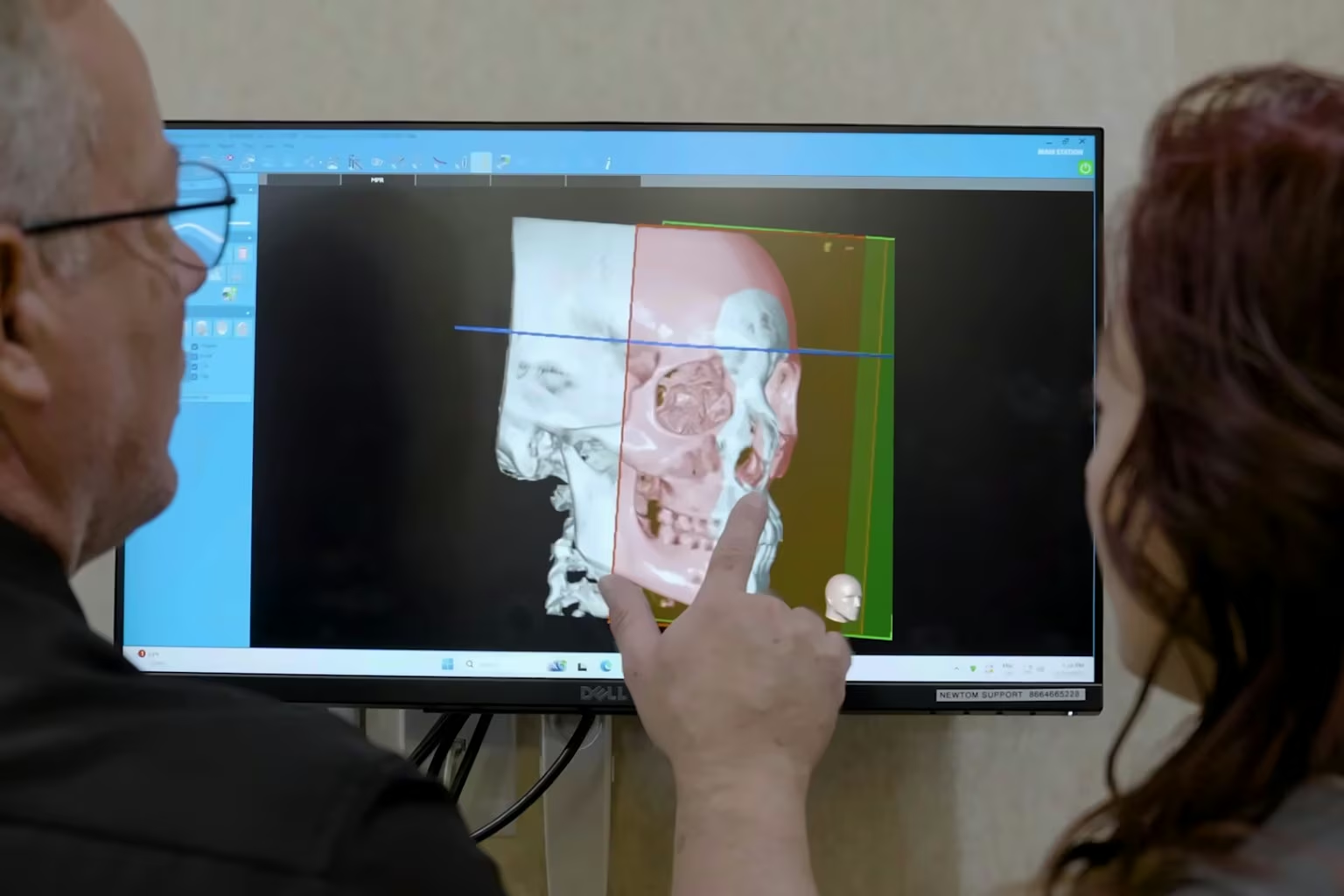
What We Evaluate
Every evaluation starts with the whole system, not just where it hurts.
What we examine
- Jaw and joint function — how the joints move and load
- Muscle tension and movement in the face, jaw, head and neck
- Airway, breathing and sleep
- Tongue posture and oral function
- Growth and development, in children
- Your history, in your own words
What to bring: prior imaging or sleep-study results, a list of current medications, your bed partner's observations, if relevant, any appliances you already use.
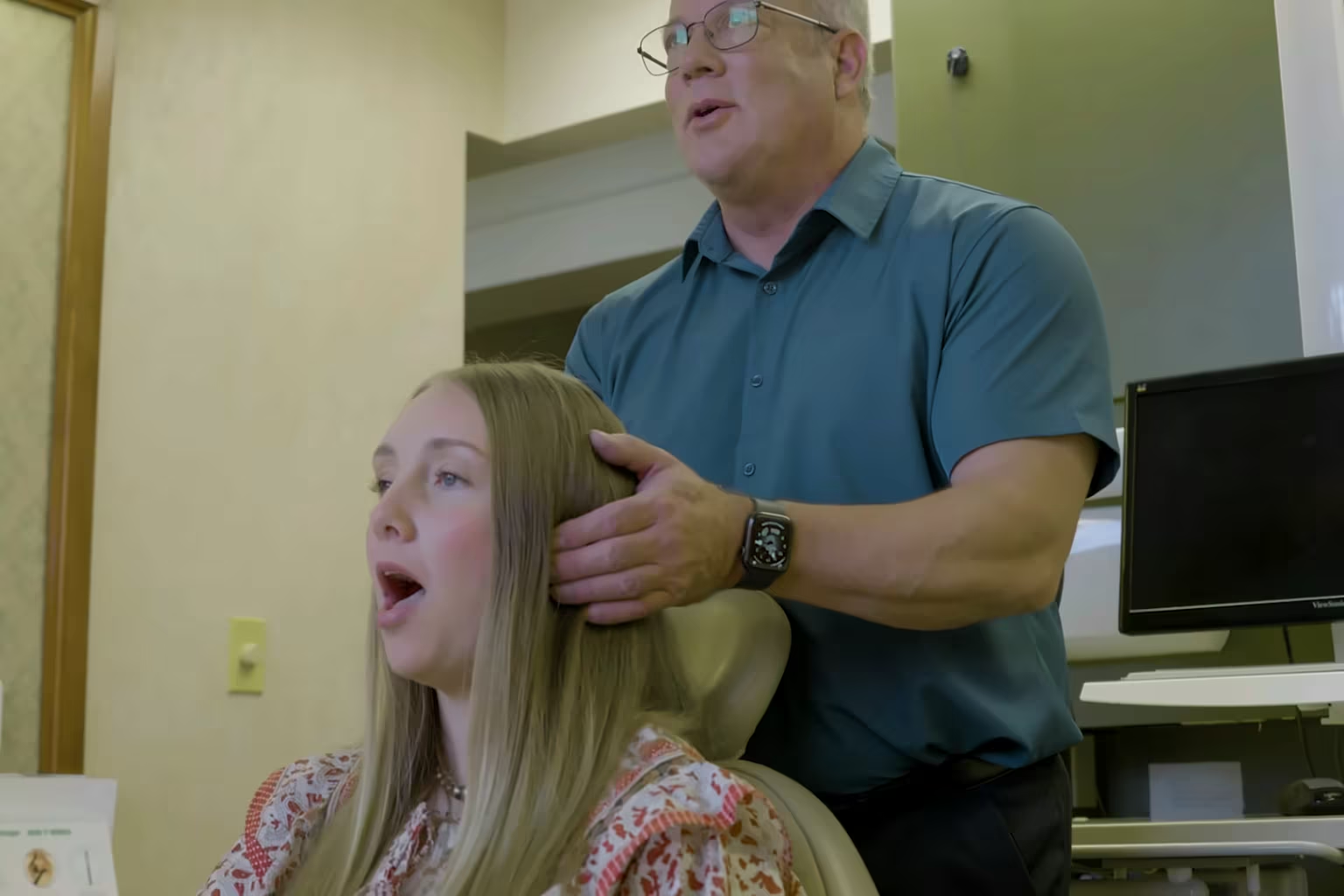
What We May Recommend
Nothing is suggested until the evaluation is complete — and it is chosen to fit what we found.
Options, chosen to fit
- Day and night oral appliances
- Oral appliance therapy for sleep
- Myofunctional therapy
- Laser therapy
- Airway-focused orthodontics
What you leave with: what we found, what we think is contributing, a plan that fits it — not the same for everyone.
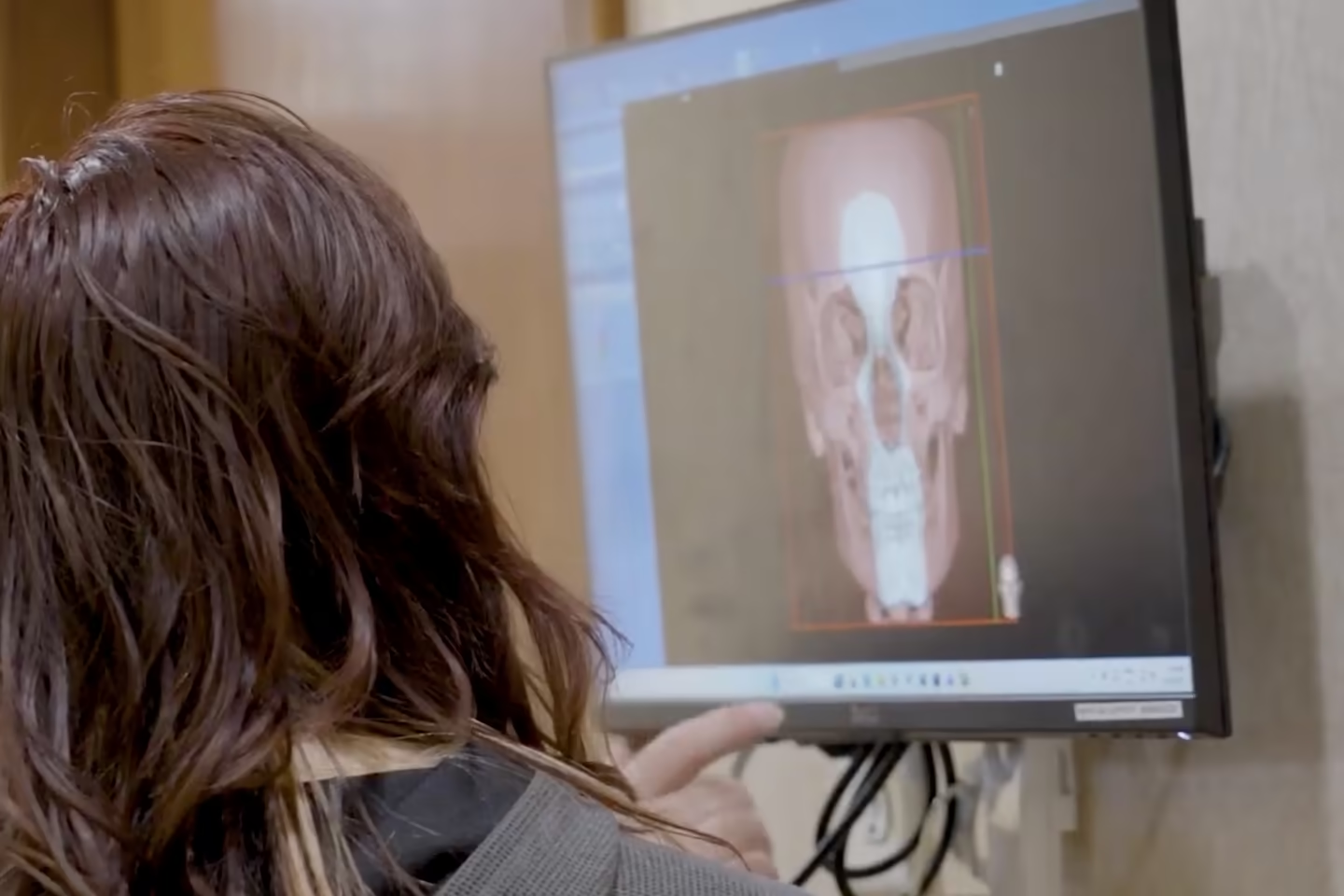
When We Refer
Part of the evaluation is telling you honestly when the answer lies somewhere else.
Who we coordinate with
- Physicians
- ENTs
- Sleep physicians
- Other referring providers
Why we refer: a finding needs specialist workup, your care already fits with an existing provider, the evaluation points outside TMJ or airway.
What to Expect
How an evaluation works
Three steps, in order. Nothing is recommended until the first two are done.
Request an evaluation
Tell us what you are experiencing, in your own words. Call, text or send a message and we will arrange a time.
A comprehensive assessment
We examine the jaw, muscles, airway, sleep and oral function together and review your history.
A plan built on the findings
We explain what we found and what is contributing, then recommend care that fits it.
Where to Start
Treatment begins with understanding the pattern
If you have been told your symptoms are unrelated, or have tried something that did not hold, an evaluation is the place to begin.
Common Questions
Frequently Asked Questions About Our Approach
No referral is required; we welcome them. Many patients are referred by their physician or ENT, but you can also request an evaluation directly.
Yes. Part of the evaluation is telling the difference, and when it points elsewhere we say so and work alongside your physician, ENT or other providers.
Children are evaluated with growth and the airway in mind — see Care for Children.
If You Are Not Sure Yet
Take a symptom assessment
A few minutes of questions to help you describe what you are experiencing. It is not a diagnosis; it gives us somewhere to begin.
Jaw, face or head pain
Jaw pain, headaches, or clicking when you chew may point to a TMJ disorder, or to something that interacts with it.TMJ Symptom Assessment
Snoring, fatigue or broken sleep
Snoring, gasping for air, or waking unrefreshed can be signs of a sleep-related breathing problem.Sleep Symptom Assessment