
Myofunctional therapy is a program of exercises for the tongue, soft palate and facial muscles. Stronger, better-toned muscles are less likely to collapse into the airway during sleep, which can ease snoring and mild sleep apnea.
Sleep & Breathing • Myofunctional Therapy
Myofunctional Therapy for Sleep Apnea and Snoring
The tongue and throat muscles hold your airway open at night. When they are weak the airway collapses. Myofunctional therapy strengthens them with daily exercises — on its own for snoring, or beside an appliance or CPAP.
Sleep & Breathing
Why the Airway Collapses at Night
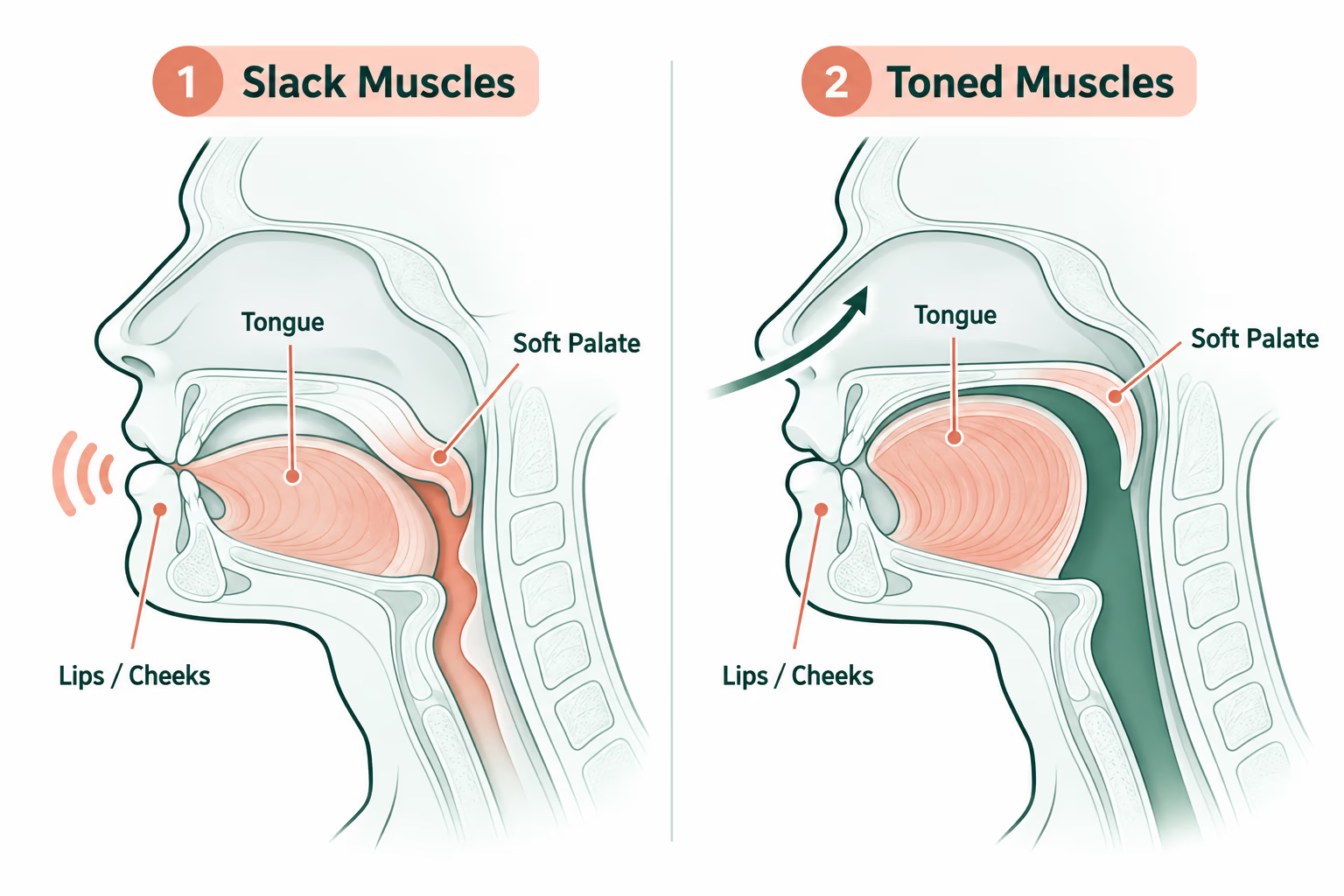
Obstructive sleep apnea happens when the tongue and soft palate relax back into the throat and the airway closes. Breathing stops, the brain jolts you awake, and it repeats all night. The tone of those muscles is trainable — which is why exercise-based myofunctional therapy can reduce snoring and apnea events, especially in mild cases.
Myofunctional therapy is also part of our sleep and breathing care — see the myofunctional therapy overview.
How It Works
Slack Muscles, Open Airway
Toning the tongue, soft palate and lip muscles can help support an open airway during sleep.
Myofunctional Therapy for Sleep
Who It Helps • What to Expect
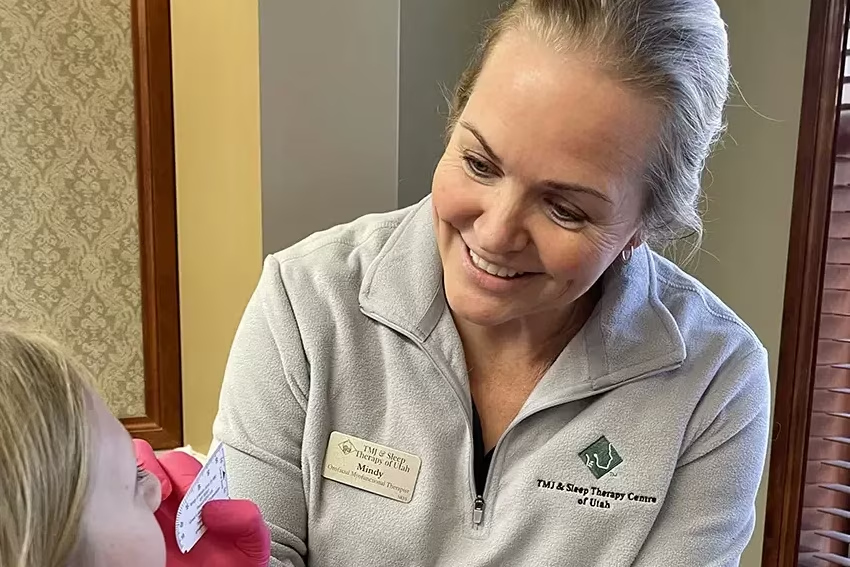
Who Myofunctional Therapy Helps
The exercises train the same muscles whether snoring is your only symptom or you already use an appliance or CPAP. A sleep study helps confirm where you fit.
Who It’s For
- People who snore most nights
- Mild obstructive sleep apnea
- CPAP users who want lower pressure
- Appliance wearers looking for extra support
Signs to Watch: loud snoring, dry mouth on waking, partner notices you stop breathing, tired by noon.
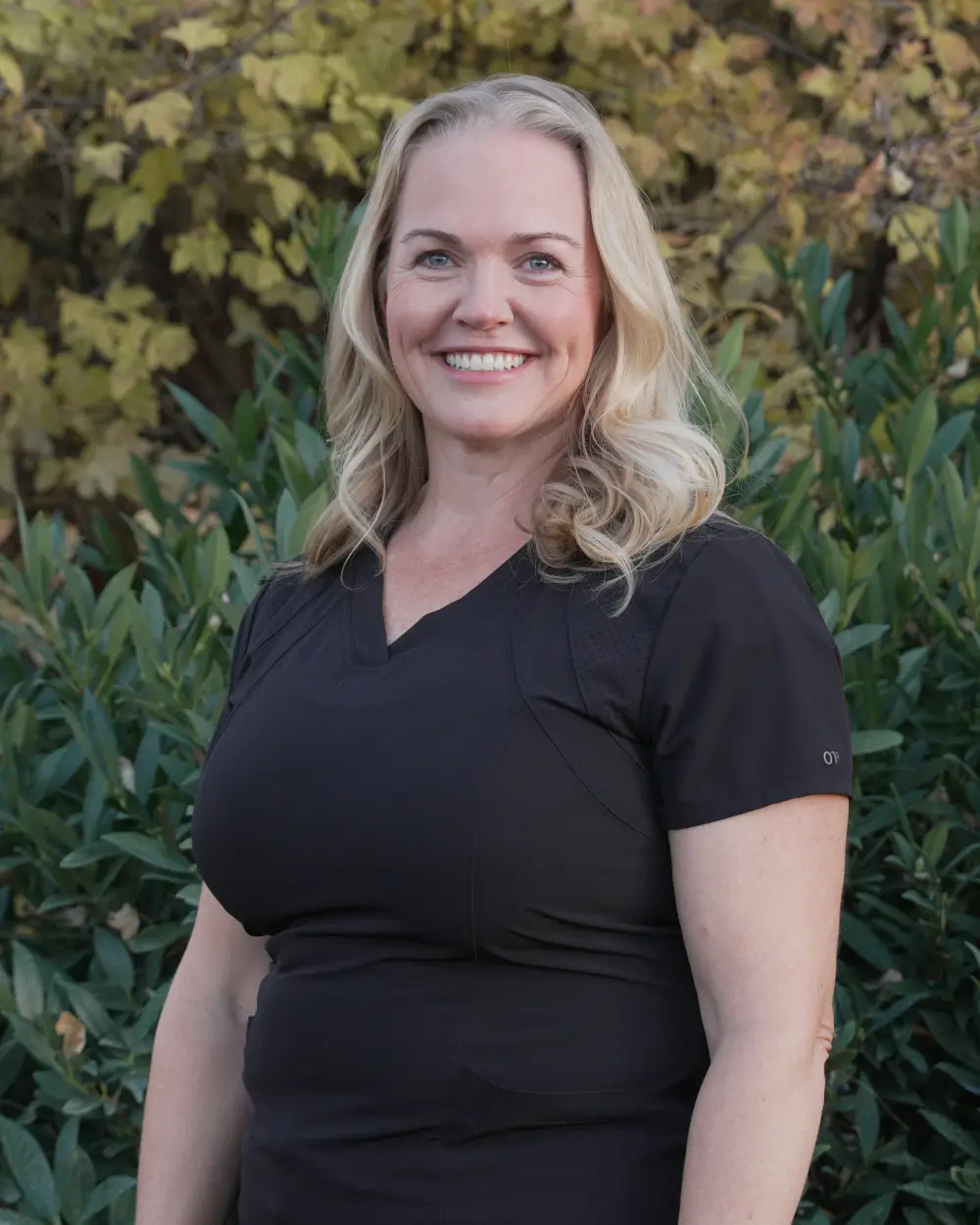
What a Program Looks Like
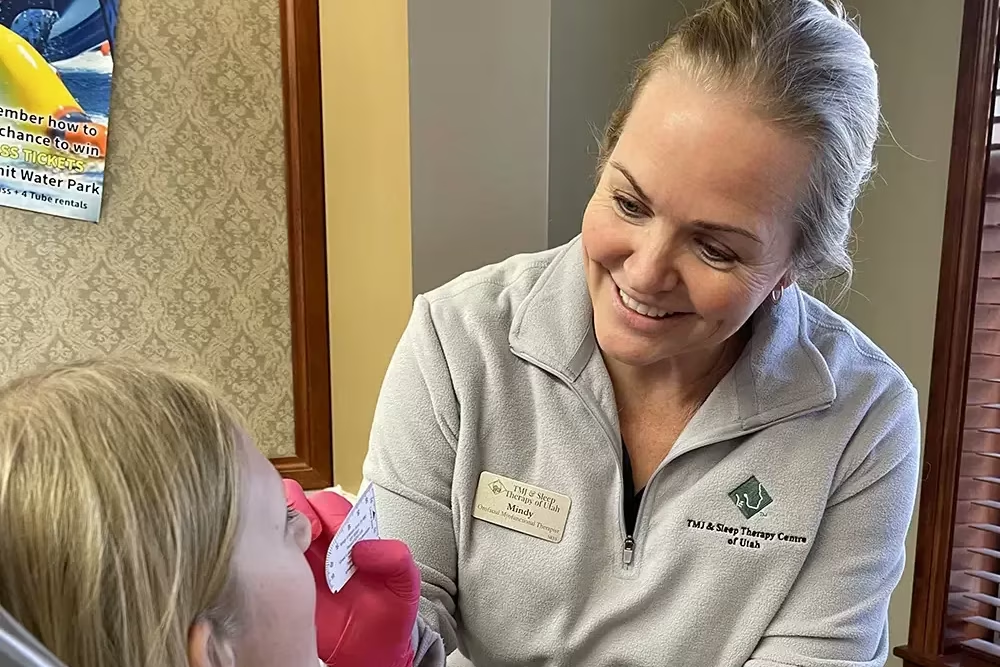
Sessions focus on the tongue, soft palate and lips, with a short daily routine to repeat at home. Consistency matters more than any single visit.
The Exercises
- Tongue strengthening — to hold position during sleep
- Soft-palate exercises — to reduce throat collapse
- Breathing retraining — to keep the nose in charge
Evidence: research supports myofunctional therapy for snoring and mild sleep apnea, results vary by case — often best alongside an appliance or CPAP.
Ready When You Are
Stronger Airway Muscles, Quieter Nights
Myofunctional therapy sits beside our sleep appliances and snoring treatment, and often lets both do less. Call (385) 446-4947 to book a sleep evaluation and find out whether it belongs in your plan.
Common Questions
Frequently Asked Questions About Myofunctional Therapy for Sleep
For some people with snoring or mild sleep apnea it can be the main approach. For others it is used alongside an appliance or CPAP to support the results those already provide. We will talk through what fits your case at your evaluation.
Most people follow a short daily routine along with weekly sessions. Because myofunctional therapy retrains muscle habits rather than making an instant change, results build gradually and vary from person to person.
People who snore, have been told they have mild obstructive sleep apnea, or want to use less CPAP pressure are often good candidates. A sleep study helps confirm whether therapy alone fits or whether it should pair with another treatment.
Bring one if you have it — it helps us plan your program. If you do not have one yet, we can talk through your symptoms first and decide together whether to arrange one.