

The temporomandibular joint (TMJ) sits near the ear canal, and dysfunction in this joint may place strain on surrounding nerves and tissues—which can be a contributing factor in tinnitus for some patients. The relationship between TMD and tinnitus is an active area of clinical interest, and for some patients, addressing jaw joint strain can help reduce tinnitus symptoms as part of a broader evaluation.
Payson, Utah
Ear Symptoms & Tinnitus
Ringing, buzzing and ear pressure can be connected to the jaw joint next door. We evaluate that connection and build a plan around what we find, without surgery.

Tinnitus Treatment in Utah
Comprehensive Evaluation for Tinnitus-Related Symptoms
Tinnitus can be connected to TMJ dysfunction for some patients. If you hear ringing or buzzing or feel pressure in your ears, we evaluate the jaw connection and, when it is a factor, treat it with care that does not involve surgery.
Common tinnitus symptoms we evaluate include:
Ringing or buzzing in the ears
Ear fullness or pressure
Headaches and facial tension
Jaw discomfort or clicking
Sleep disruptions or concentration issues
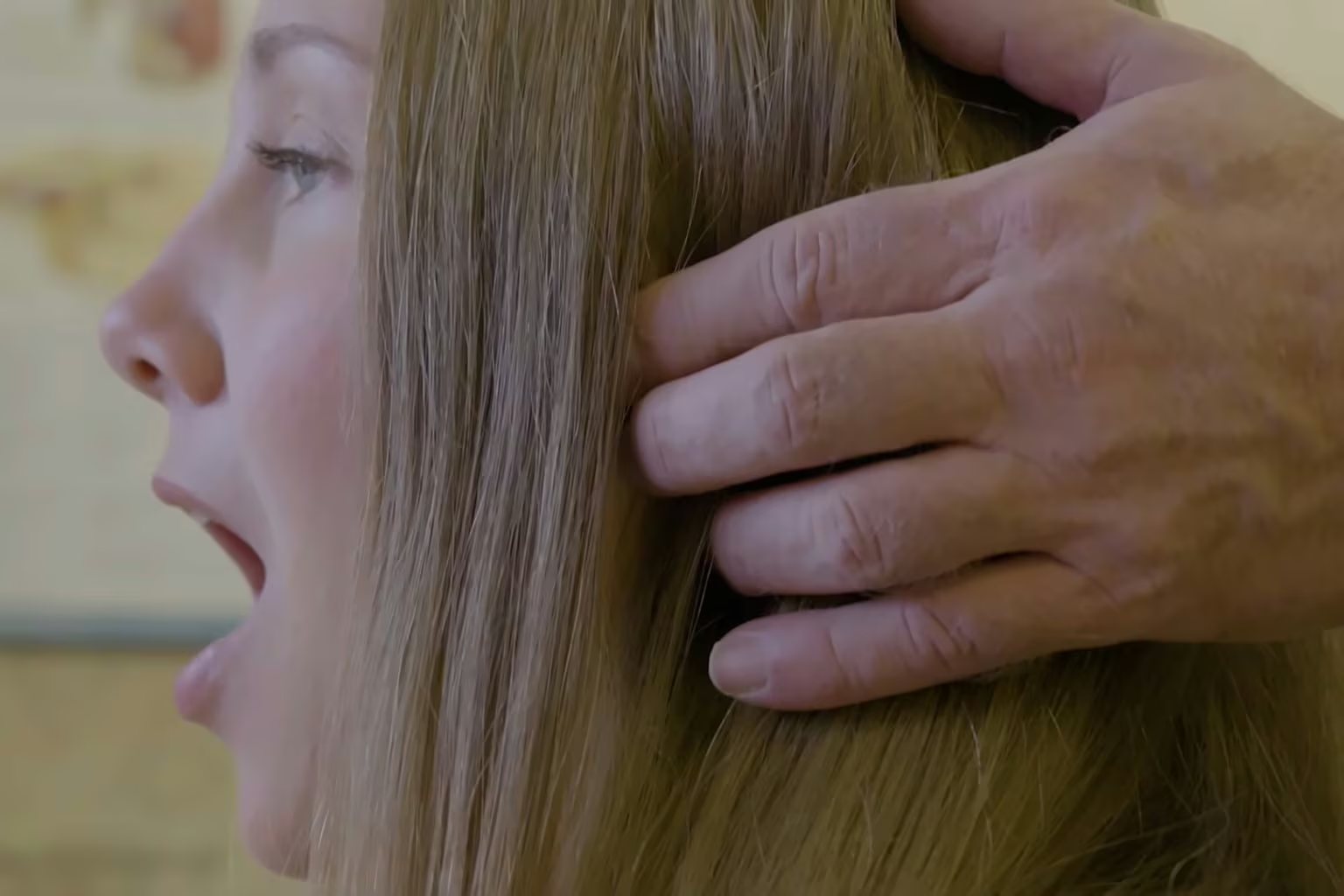
What Is Happening
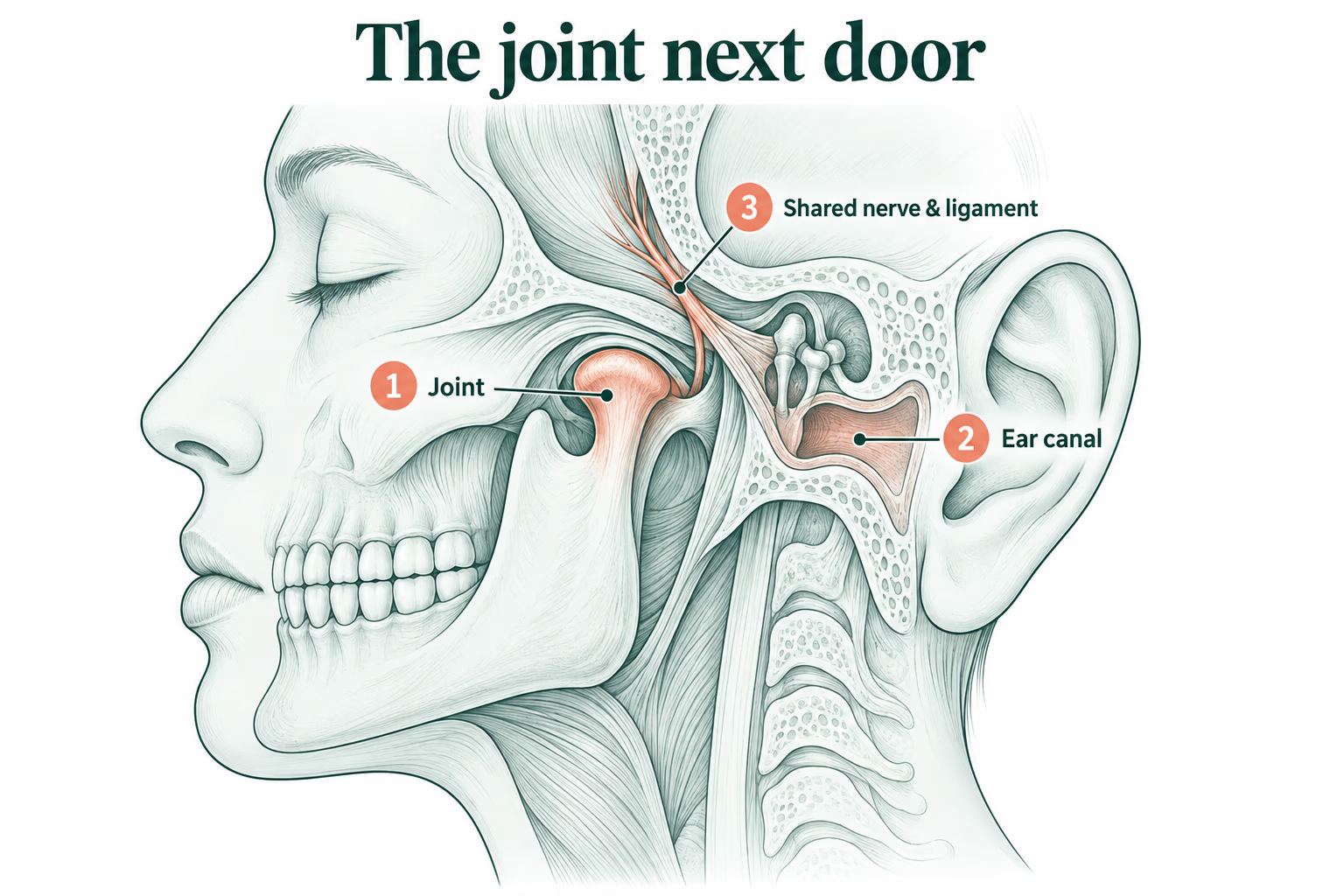
The joint next door
The jaw joint sits directly against the ear canal, sharing a nerve and ligament, which is why TMD can feel like an ear problem.
Signs, Causes & Care
Signs • Causes • How We Evaluate and Treat
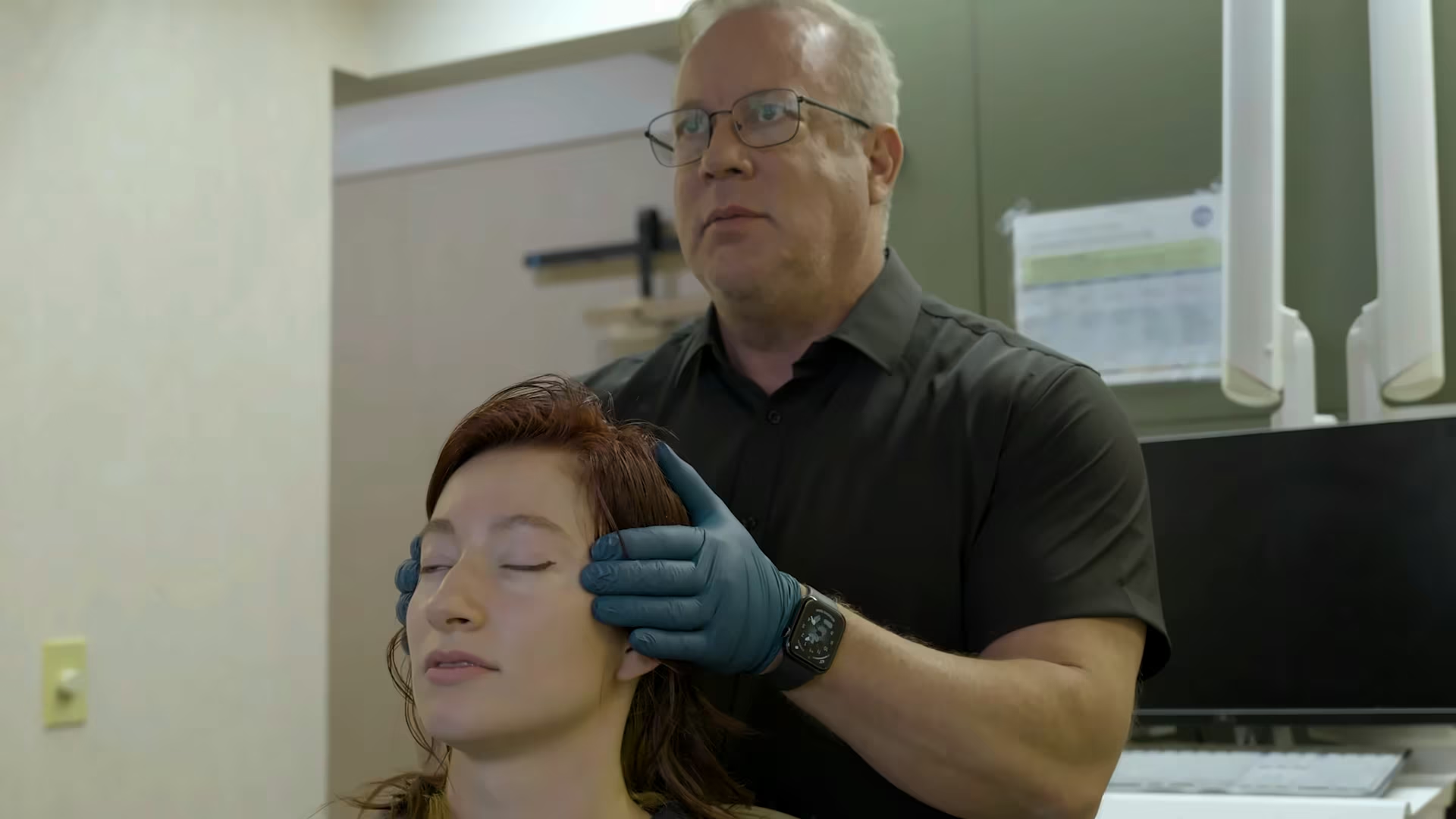
Signs You May Notice
Ear symptoms connected to the jaw joint often follow a pattern.
Signs to watch for
- Ringing or buzzing in the ears
- Ear fullness or pressure
- Ear pain without infection
- Sounds change when you move your jaw
- Worse with clenching
Also common alongside: headaches, jaw clicking, poor sleep.
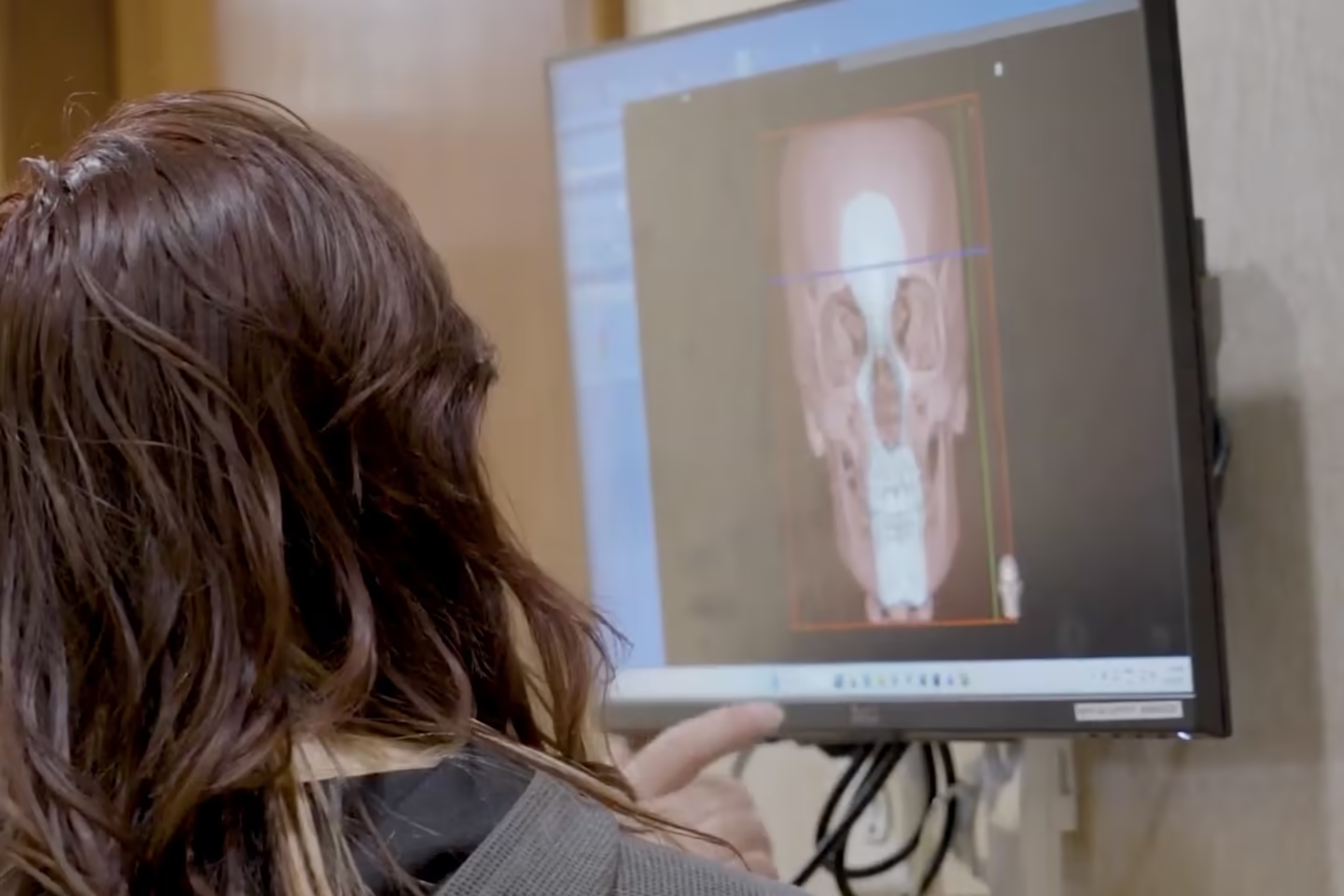
How the Jaw May Be a Factor
Ear symptoms can trace back to how the jaw joint and surrounding muscles are working.
What contributes
- TMJ dysfunction
- Clenching or grinding
- Muscle tension around the ear
- Jaw misalignment
Why the jaw: the joint sits directly in front of the ear canal, they share nerves and a connecting ligament.
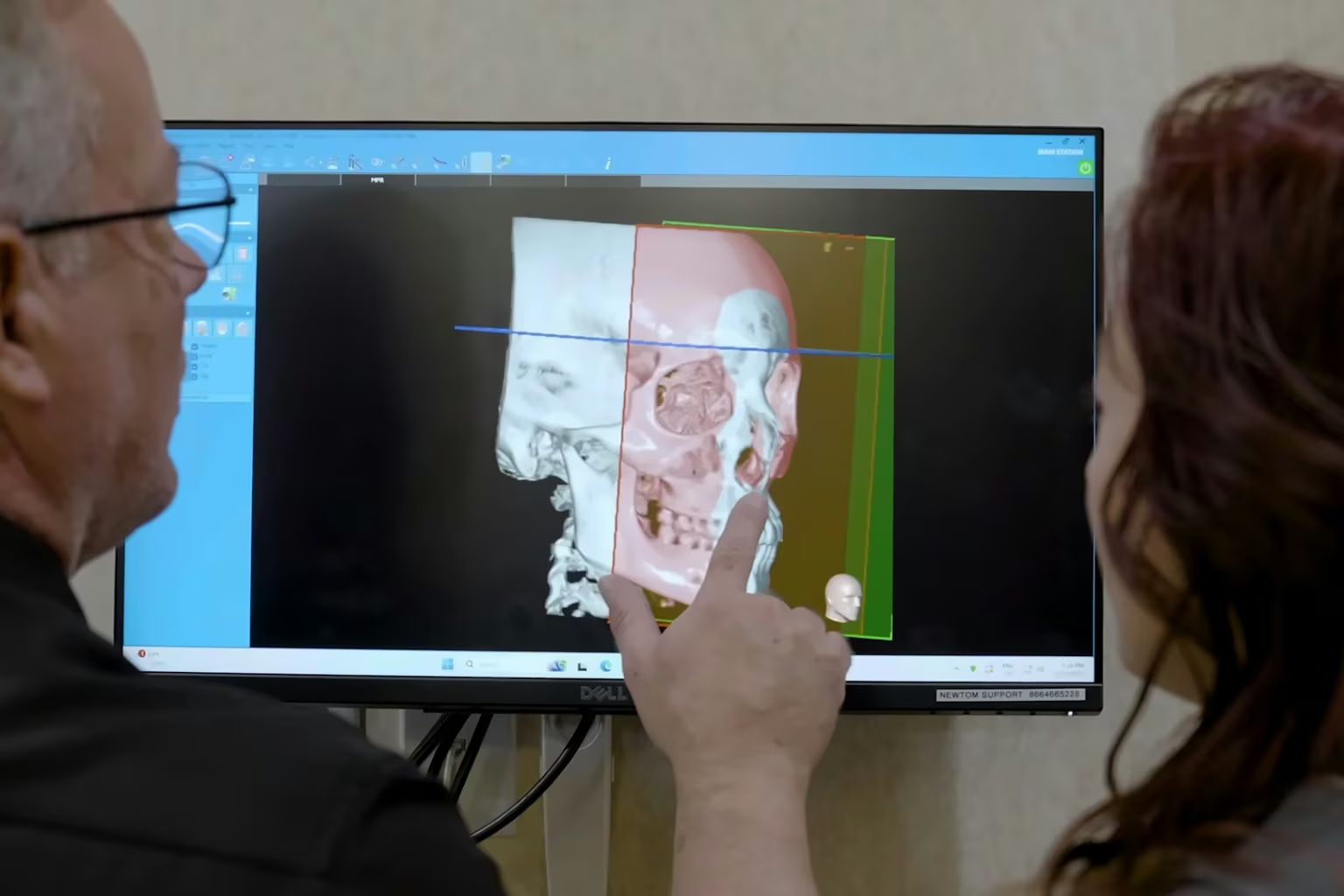
How We Evaluate and Treat It
Once we know what is contributing, treatment targets the joint and the muscles around it.
How we treat it
- Oral appliances
- MLS/Summus laser therapy
- Craniofacial and muscle therapy
- Jaw position therapy
We coordinate care: We coordinate with your ENT when hearing needs testing.
Ready When You Are
Quiet the Ringing and Get Your Days Back
If the ringing came with jaw pain, clicking or facial tension, the joint may be the reason. Call (385) 446-4947 and we will check.
Request an Evaluation
Common Questions
Frequently Asked Questions About Tinnitus and TMJ
It can, for some patients. TMD is an often-overlooked contributing factor in ringing, buzzing and pressure alongside other causes. Jaw misalignment, grinding or muscle tension can play a role. We evaluate whether jaw dysfunction is a factor for you and treat that piece if it is.
Care is tailored to each patient’s needs and may include TMJ therapy, oral appliances, laser therapy, muscle release, or lifestyle changes. We look at both the symptoms and what may be driving them, aiming to reduce your symptoms.
If your tinnitus is persistent, getting worse, or interfering with daily life, it may be time for an evaluation. We offer a comprehensive assessment to determine whether TMJ dysfunction, muscle tension, or other factors are contributing to your symptoms.
TMJ and Sleep Therapy Centre of Utah offers a non-surgical evaluation to determine whether jaw dysfunction is contributing to your tinnitus, with therapy focused on that connection when it applies. We coordinate with your ENT for the hearing and ear side of your care.
If You Are Not Sure Yet
Take a symptom assessment
A few minutes of questions to help you describe what you are experiencing. It is not a diagnosis; it gives us somewhere to begin.
Jaw, face or head pain
Jaw pain, headaches, or clicking when you chew may point to a TMJ disorder, or to something that interacts with it.TMJ Symptom Assessment
Snoring, fatigue or broken sleep
Snoring, gasping for air, or waking unrefreshed can be signs of a sleep-related breathing problem.Sleep Symptom Assessment