

The most effective teeth grinding treatment often depends on the underlying causes. Options may include custom-fitted oral appliances, jaw exercises, stress management techniques, or targeted TMJ therapy to protect teeth and reduce muscle strain.
Payson, Utah
Teeth Grinding (Bruxism)
Grinding and clenching wear teeth, strain the jaw and often trace back to a sleep or airway problem. We evaluate to find what’s driving it, then treat that — not just the symptom.

Teeth Grinding Treatment in Utah
What Is Bruxism?
Bruxism is the involuntary grinding or clenching of teeth, often occurring during sleep. Many patients with bruxism also experience TMJ dysfunction, which affects the jaw joints and surrounding muscles.
TMJ and bruxism are closely connected because excessive clenching places strain on the temporomandibular joints. Over time, this pressure can lead to chronic inflammation, jaw stiffness, damaged teeth, and worsening facial pain.
Common causes of teeth grinding may include:
Stress and muscle tension
TMD
Bite imbalance or jaw misalignment
Certain lifestyle and medical factors
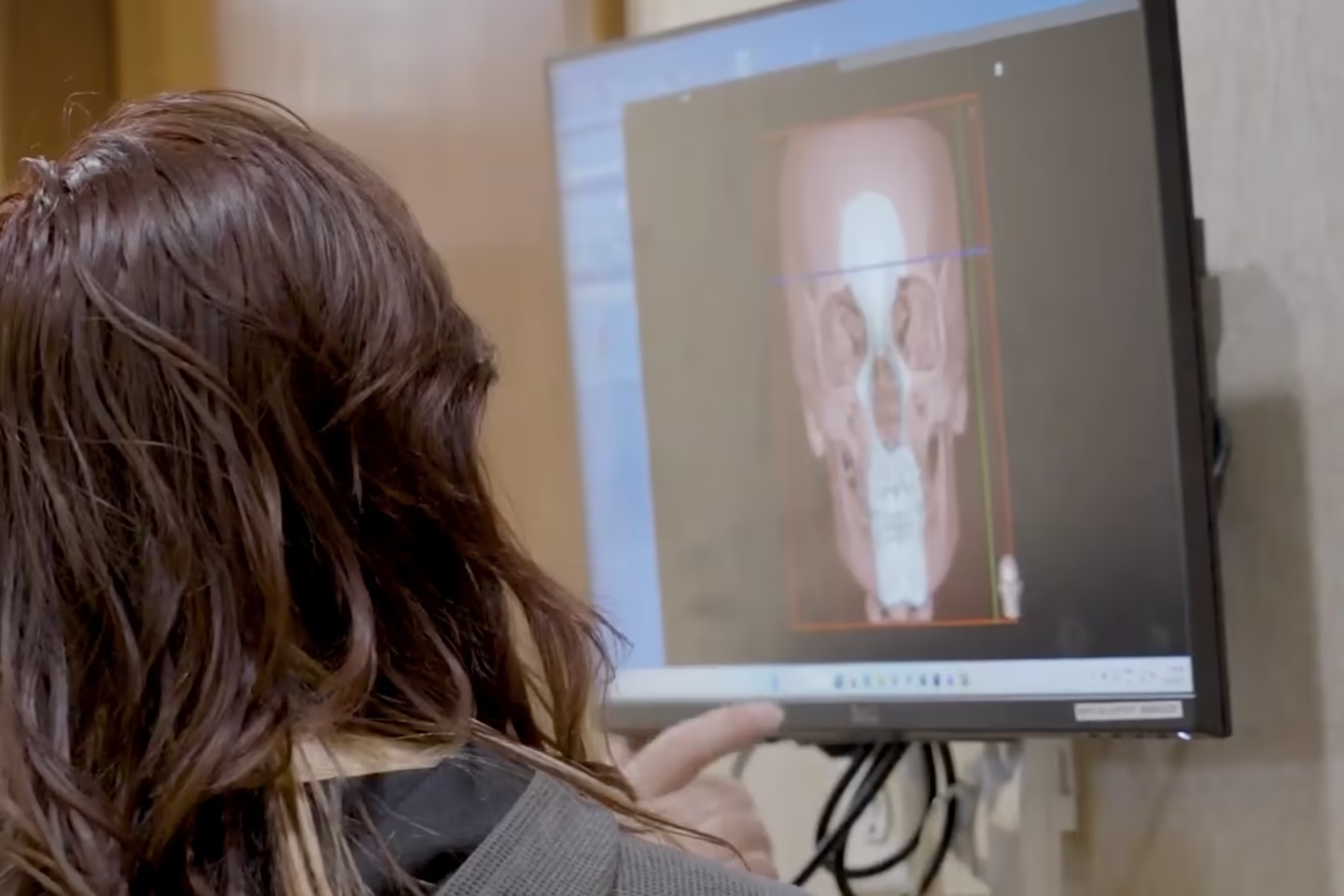
What Is Happening
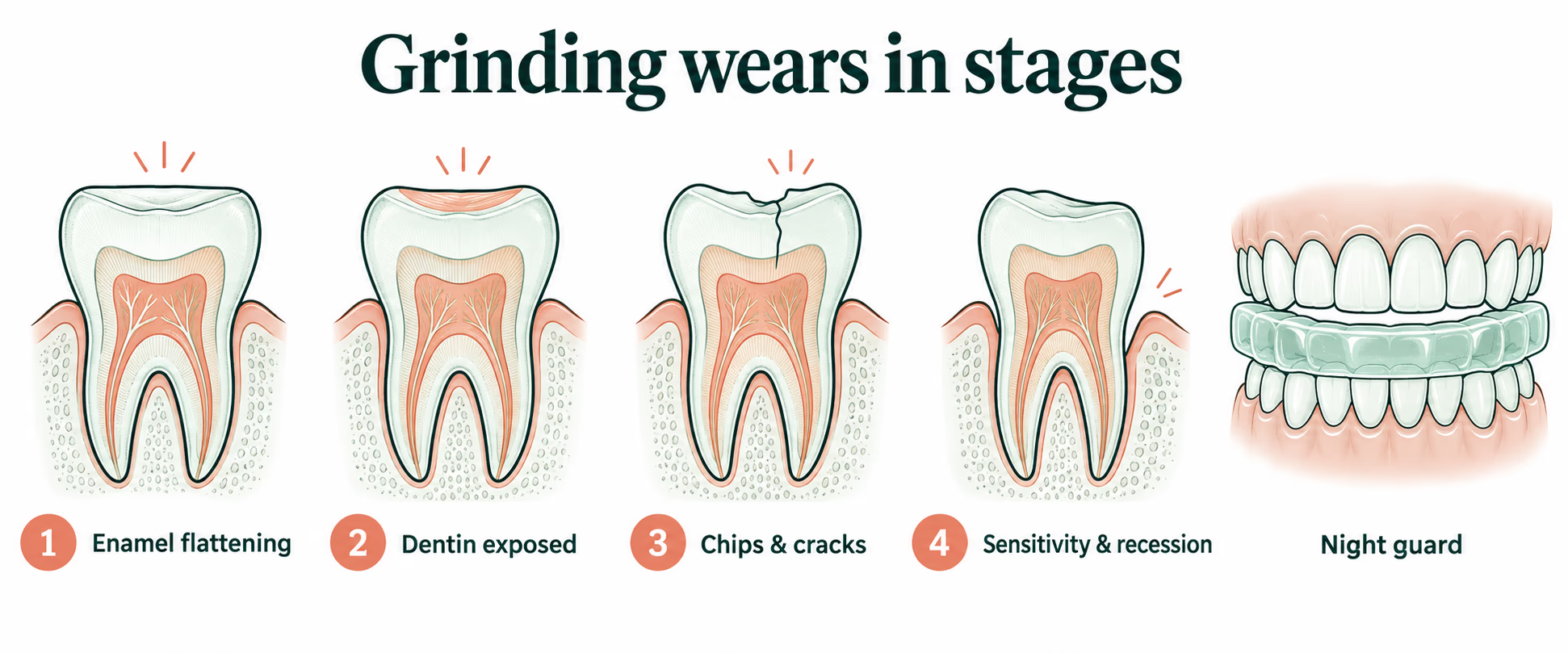
Grinding wears in stages
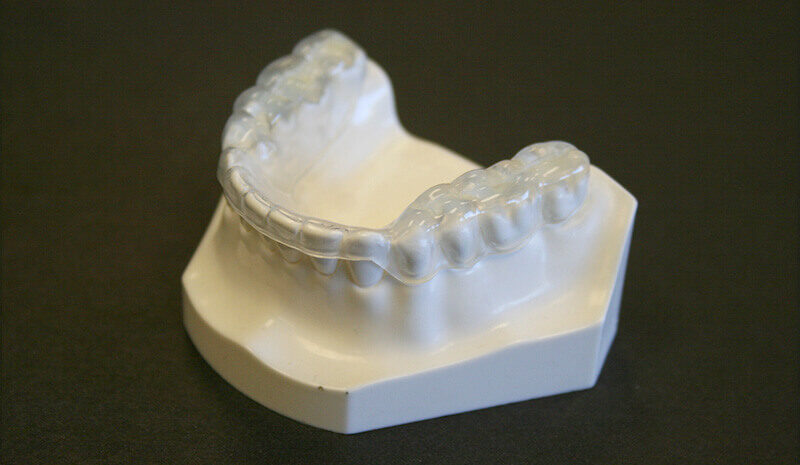
Teeth grinding wears through enamel in stages, and a custom oral appliance helps protect the teeth while we address what’s driving the grinding.
Signs, Causes & Care
Signs • Causes • How We Evaluate and Treat
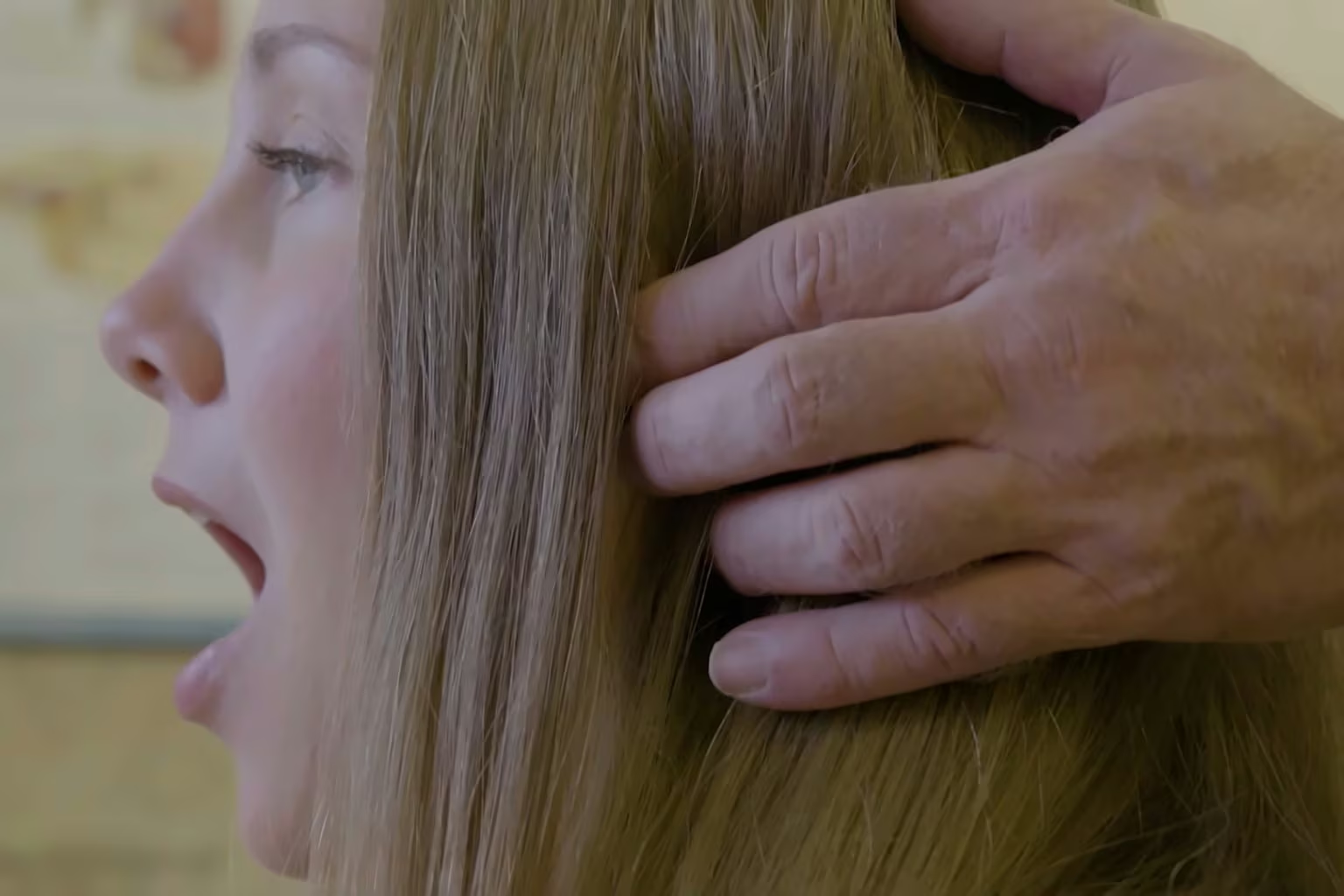
Signs You May Notice
Teeth grinding often shows up in ways patients notice before we ever see them in the chair.
Signs to watch for
- Jaw pain or tightness
- Morning headaches
- Clicking or popping in the jaw
- Worn, chipped, or cracked teeth
- Tooth sensitivity
- Facial soreness
- Ear pressure or discomfort
- Neck and shoulder tension
- Difficulty sleeping
Damage we look for: flattened or worn edges, chips or small cracks, increased tooth sensitivity, gum recession.
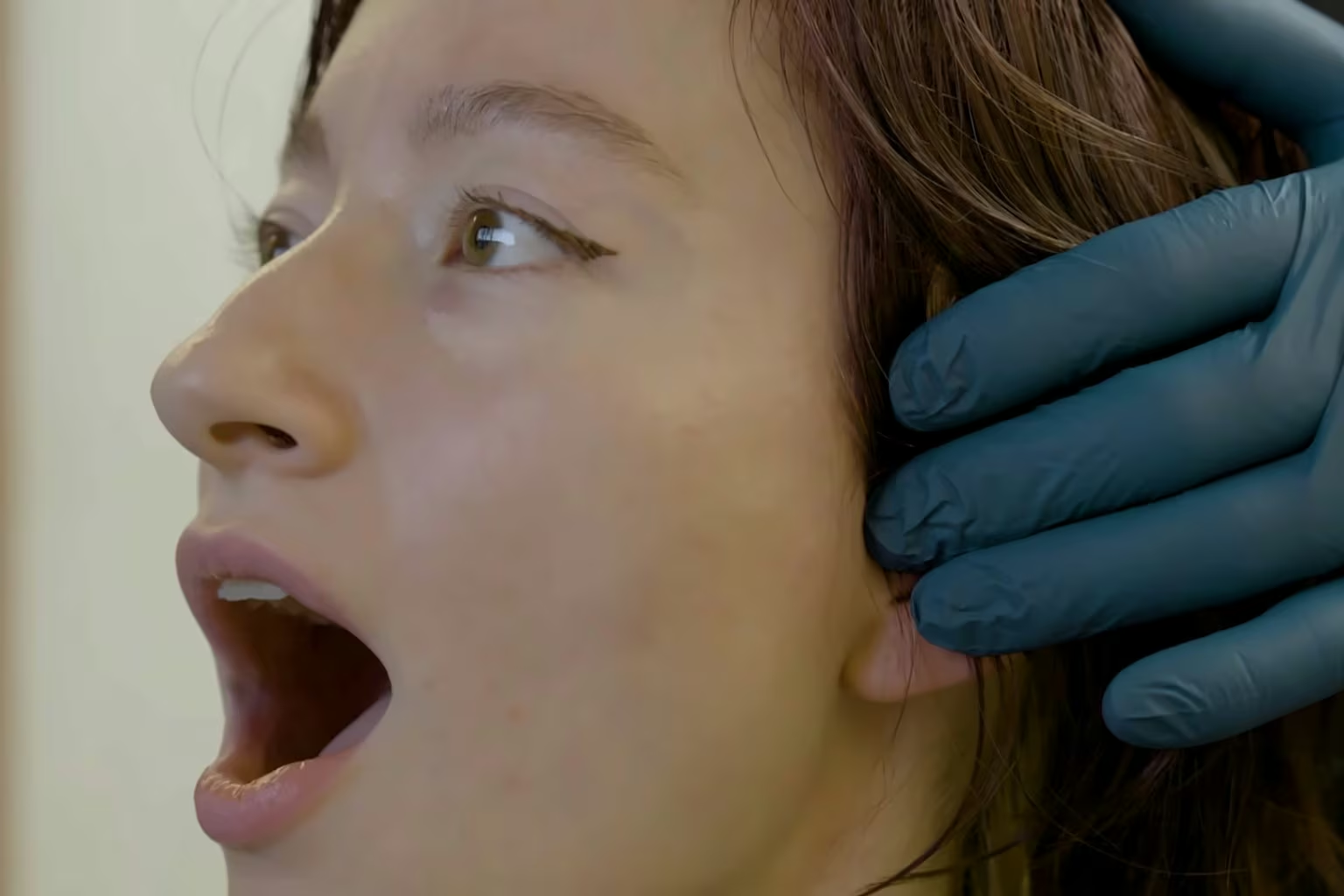
Why People Grind
Grinding usually has more than one cause, so we look at the whole picture.
What contributes
- Stress and muscle tension
- TMD
- Sleep disturbances
- Bite imbalance or jaw misalignment
- Certain lifestyle and medical factors
Why we screen sleep: grinding at night often signals disrupted breathing, we check airway and sleep factors before fitting an appliance.
How We Evaluate and Treat It
Treatment protects your teeth now and addresses what is driving the grinding.
How we treat it
- Custom oral appliance
- Bite stabilization
- Jaw-muscle relaxation & exercises
- Sleep/airway screening
Custom vs Over-the-Counter: A custom oral appliance fits your bite and your specific jaw condition; store-bought guards do not.
Ready When You Are
Protect Your Teeth and Your Jaw Health
A custom oral appliance protects the teeth; the evaluation finds out why you grind. Call (385) 446-4947 and we will do both.
Request an Evaluation
Common Questions
Frequently Asked Questions About Teeth Grinding Relief in Utah
Look for a clinic that treats TMD and bruxism together. Our Utah clinic fits custom oral appliances and treats the jaw and airway behind the grinding.
Yes, for many patients. A professionally made oral appliance for teeth grinding cushions the bite, reduces tooth wear, and eases strain on the jaw muscles and TMJ, especially when worn at night.
Bruxism treatment focuses on reducing the grinding habit and protecting the teeth, while TMJ therapy addresses the joint and muscle issues that may be contributing to the grinding. In many cases, both treatments are used together.
TMD can contribute to teeth grinding, and long-term grinding can contribute to TMJ pain or damage. Treating both the jaw joint and the bruxism together can improve comfort, function, and protection for your teeth.
If You Are Not Sure Yet
Take a symptom assessment
A few minutes of questions to help you describe what you are experiencing. It is not a diagnosis; it gives us somewhere to begin.
Jaw, face or head pain
Jaw pain, headaches, or clicking when you chew may point to a TMJ disorder, or to something that interacts with it.TMJ Symptom Assessment
Snoring, fatigue or broken sleep
Snoring, gasping for air, or waking unrefreshed can be signs of a sleep-related breathing problem.Sleep Symptom Assessment