
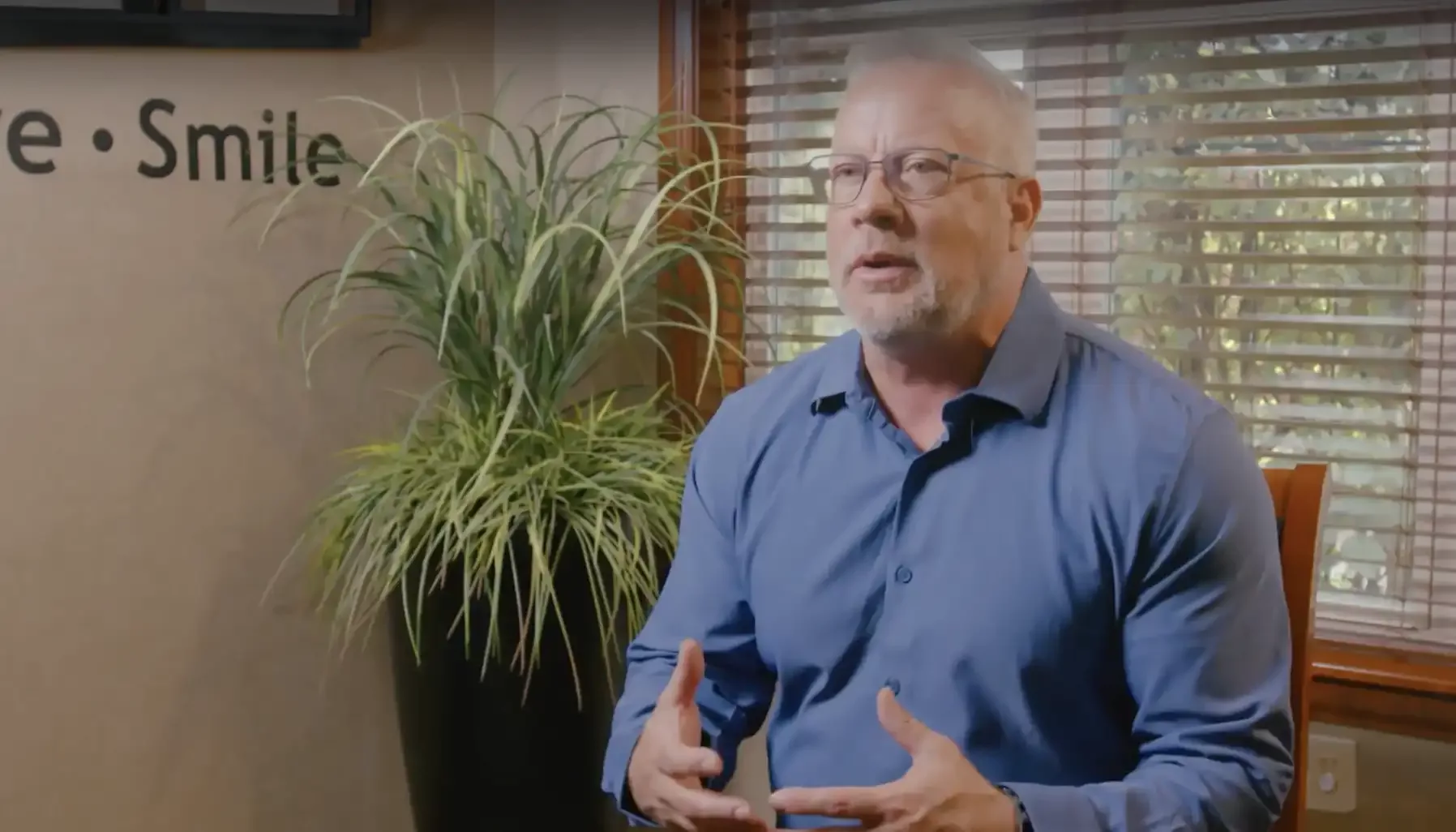
Effective TMJ treatment starts with identifying what is driving your jaw dysfunction. At TMJ and Sleep Therapy Centre of Utah, we create personalized plans that may include bite stabilization, custom oral appliances, physical therapy, and breathing support with the goal of reducing pain and improving jaw function.
TMJ & Facial Pain • Payson, Utah
TMJ Therapy
Jaw pain, clicking, headaches and worn teeth rarely have one cause. We evaluate the joints, muscles, airway and sleep together, then treat what we find — without surgery.

TMJ Therapy in Payson
Care for Jaw Pain Without Surgery
Chronic jaw pain, popping when you open or close, and difficulty chewing are common signs of a TMJ disorder. With personalized TMJ therapy in Payson, our team can help. When you visit, you can expect:
Joint vibration analysis to test the function of your TMJs
A comprehensive treatment plan that will meet your unique needs
Conservative approaches to manage TMJ pain and dysfunction
Treatment aimed at more comfortable chewing, speaking, and yawning
Better overall quality of life
Education and guidance on lifestyle changes and at-home care tips
What We Treat
Conditions We Treat With TMJ Therapy
TMJ dysfunction shows up in more places than the jaw. Explore the conditions our Payson team treats with conservative, non-surgical care.
TMJ / TMD Pain
Care for jaw discomfort, headaches, and related symptoms, built around what your evaluation shows — misalignment, muscle tension, clenching, or an airway component.
Jaw Clenching
Care aimed at easing overactive jaw muscles, protecting your teeth, and improving day-to-day comfort.
Teeth Grinding
Grinding, also called bruxism, may contribute to chronic jaw pain, worn teeth, headaches, facial tension, and disrupted sleep.
Headaches & Migraines
Evaluation-based care to find out whether jaw or airway function is contributing to recurring headaches and migraines.
Ear Symptoms & Tinnitus
Ringing, buzzing, or pressure in the ears evaluated for a possible connection to jaw joint dysfunction.
Meniere’s Disease
For patients whose Meniere’s is managed by an ENT, we evaluate and treat any coexisting jaw dysfunction and coordinate with their ENT.
Trigeminal Neuralgia
Non-surgical, evaluation-based care for sudden, electric shock-like facial pain, assessing whether nerve irritation is contributing.
Treatments We Offer
TMJ Treatment Options
Each therapy is chosen around your diagnosis, and most patients use more than one.
Day & Night Appliances
Custom oral appliances designed to provide 24/7 relief, with specialized devices for both daytime function and nighttime protection.
Myofunctional Therapy for TMJ Pain
An evidence-based treatment that improves tongue and facial muscle function, benefiting oral health and reducing strain on the TMJs.
MLS & Summus Laser
Two drug-free lasers that calm inflammation and ease pain in the jaw joint and surrounding muscles.
How We Treat
Appliances • Myofunctional Therapy • Laser
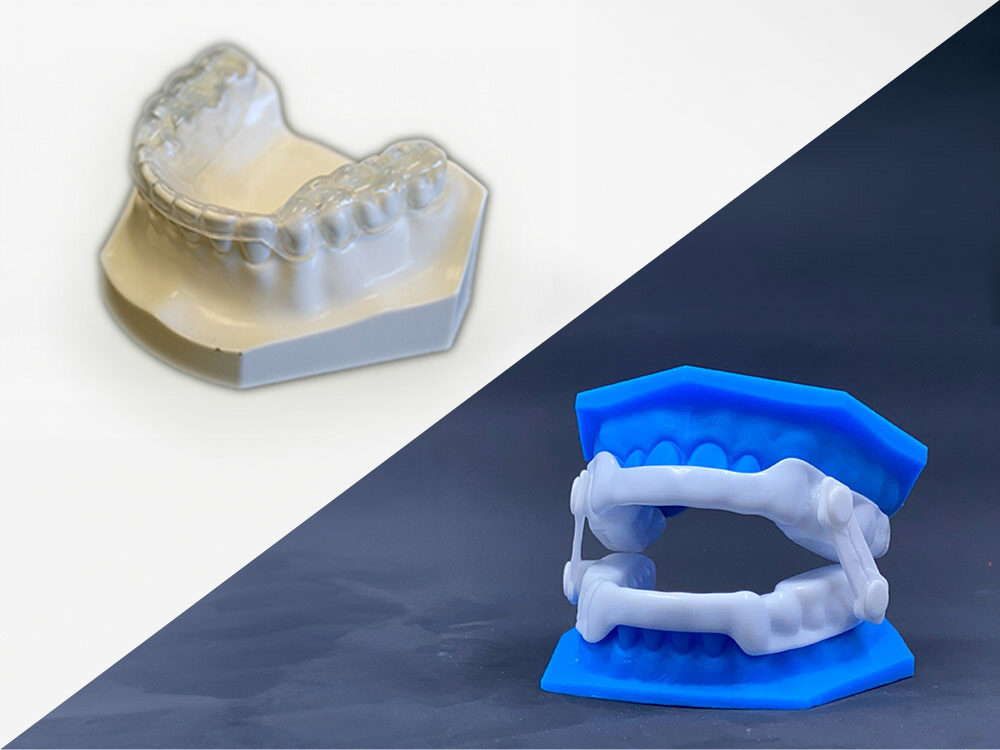
Custom Oral Appliances
Day and night appliances stabilize the jaw and protect the teeth, worn separately or together depending on your case.
What it is
- Day appliance — stabilizes the jaw and improves bite alignment without interfering with speech
- Night appliance — helps protect the joints and teeth from the effects of clenching and grinding during sleep
- Suits jaw pain linked to clenching, grinding, or muscle strain
What to expect: a custom fit from a scan or impression of your bite, a short adjustment period as your jaw settles in, follow-up visits to fine-tune fit and comfort.
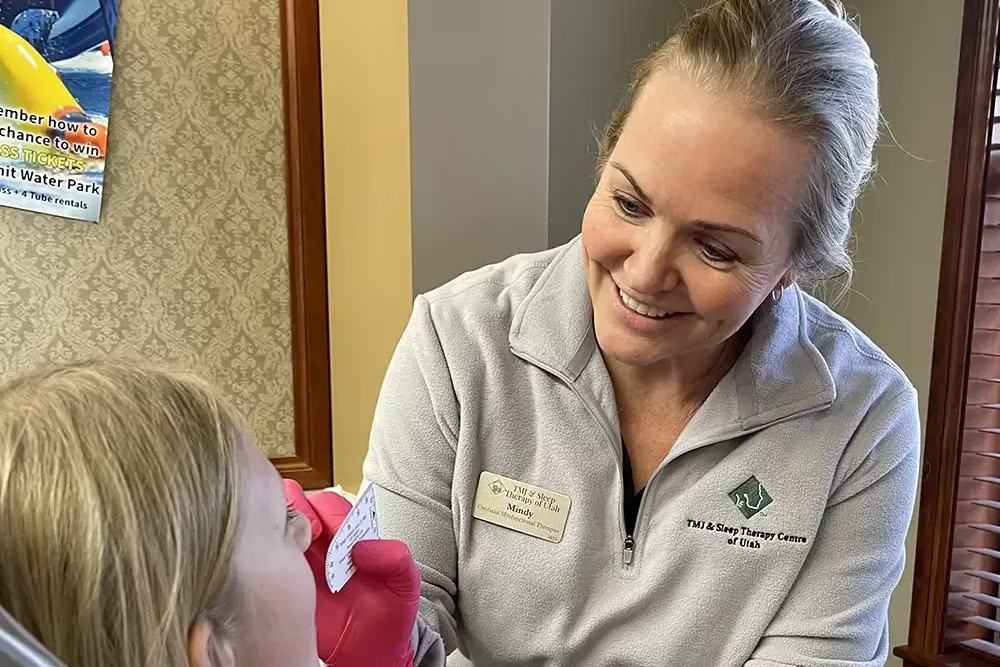
Myofunctional Therapy
Myofunctional therapy retrains the tongue, jaw and facial muscles so they stop overloading the joint. A guided series of exercises improves oral posture, breathing and swallowing, which reduces strain on the TMJs.
What it is
- A guided series of exercises for the tongue, jaw and facial muscles
- Suits chronic clenching, mouth breathing, or muscle-driven jaw pain
- Often used alongside appliance or laser therapy
What to expect: weekly sessions with a trained therapist, home exercises between visits, gradual improvement in posture, breathing and swallowing.
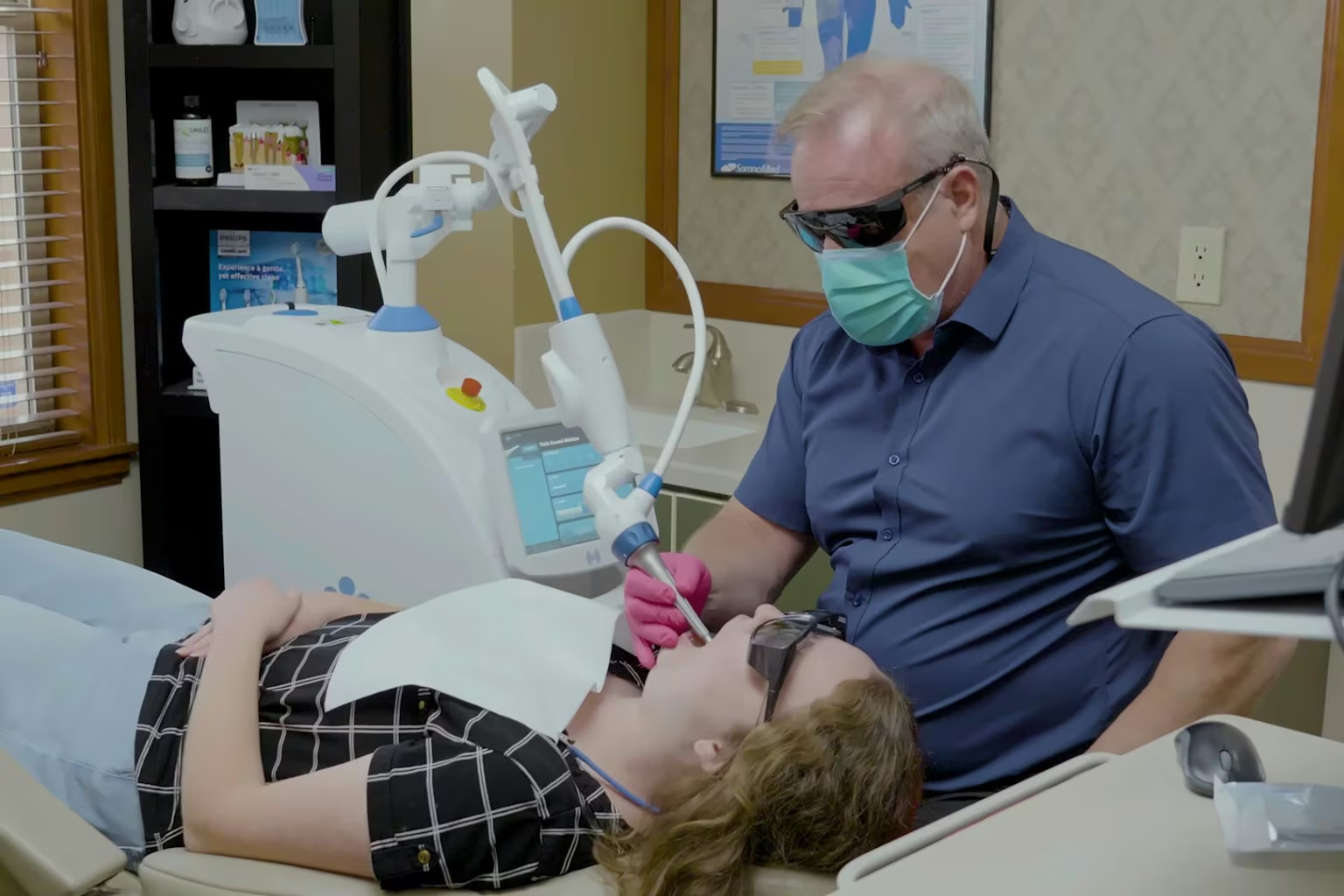
MLS and Summus Laser Therapy
Laser therapy is a gentle, drug-free option used alongside other TMJ care. Our photobiomodulation lasers deliver low-level light to the jaw joint and surrounding muscles, with the goal of reducing inflammation and discomfort. Results vary from patient to patient, and there is no downtime and nothing to wear.
What it is
- 10–15 minute sessions, no needles or incisions
- Two laser systems, with settings chosen for your plan
- Suits flare-ups, chronic joint pain, or soreness after appliance therapy
What to expect: a warm, soothing sensation during treatment, no downtime — return to your day right after, a short series of visits to build on your progress.
How It Works
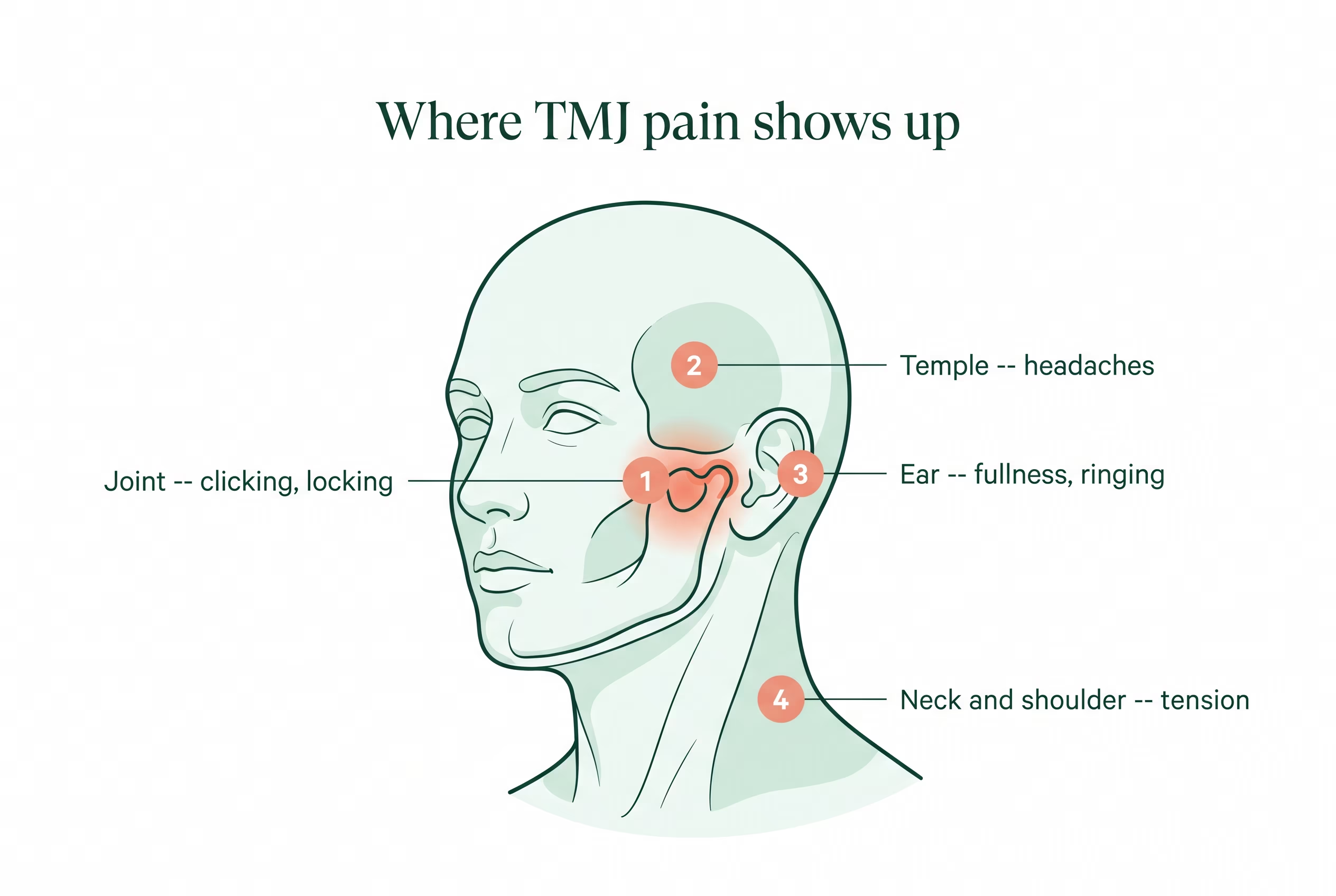
Where TMJ pain shows up
TMJ pain can show up as joint clicking, temple headaches, ear fullness, or neck and shoulder tension.
What to Expect
How an evaluation works
Three steps, in order. Nothing is recommended until the first two are done.
Request an evaluation
Tell us what you are experiencing, in your own words. Call, text or send a message and we will arrange a time.
A comprehensive assessment
We examine the jaw, muscles, airway, sleep and oral function together and review your history.
A plan built on the findings
We explain what we found and what is contributing, then recommend care that fits it.
Ready When You Are
TMJ Relief Starts With an Evaluation
We look at the joints, muscles, airway and sleep together and tell you what we find before anything is recommended. Request an evaluation or call (385) 446-4947.
Common Questions
Frequently Asked Questions About TMJ Therapy
Look for a provider who understands the connection between jaw alignment, muscle function, and airway health. Our Utah-based team offers advanced diagnostics and coordinated, multidisciplinary care aimed at improving jaw comfort and function.
Yes, for many patients. A custom oral appliance, fitted to your bite based on your evaluation, can help reduce joint strain, ease the effects of clenching or grinding, and give irritated tissues a chance to settle. It’s different from an over-the-counter night guard, which only protects teeth and isn’t customized to your joint.
During a TMJ flare-up, it’s important to rest your jaw, avoid hard or chewy foods, and apply moist heat or cold packs. If flare-ups are frequent, an evaluation can help determine the cause and guide more effective treatment.
If You Are Not Sure Yet
Take a symptom assessment
A few minutes of questions to help you describe what you are experiencing. It is not a diagnosis; it gives us somewhere to begin.
Jaw, face or head pain
Jaw pain, headaches, or clicking when you chew may point to a TMJ disorder, or to something that interacts with it.TMJ Symptom Assessment
Snoring, fatigue or broken sleep
Snoring, gasping for air, or waking unrefreshed can be signs of a sleep-related breathing problem.Sleep Symptom Assessment