
The best treatment depends on what is driving your pain and may include a custom oral appliance, targeted jaw exercises, cold or heat therapy, and stress-reduction techniques. Our team builds a personalized plan that addresses both your symptoms and what’s driving them.
Payson, Utah
TMJ / TMD Pain
Jaw pain, clicking, earaches and headaches often have more than one contributing factor. We evaluate the joints, muscles, airway and sleep together, then treat what we find — without surgery.

TMJ Pain Relief in Utah
Effective Treatment for TMJ Pain and Jaw Disorders
We evaluate TMJ pain for contributing factors such as jaw misalignment, muscle tension, or chronic clenching, and build non-surgical care around what your evaluation shows.
Common TMJ pain symptoms include: these are reasons to be evaluated, not a diagnosis.
Jaw pain and tenderness
Clicking or popping sounds in the jaw
Headaches or migraines
Earaches and facial discomfort
Difficulty chewing or opening the mouth fully
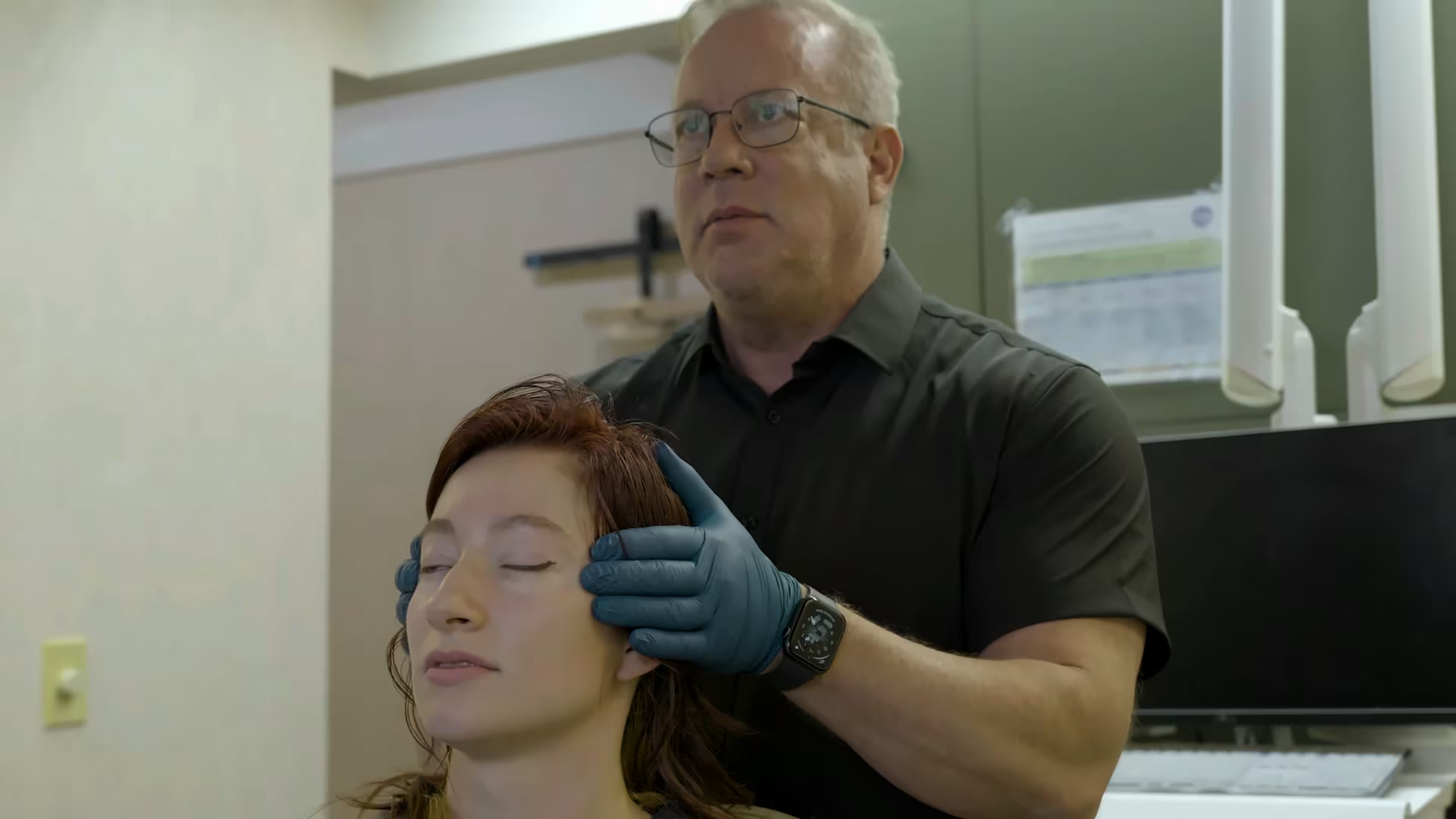
Signs, Causes & Care
Signs • Causes • How We Evaluate and Treat
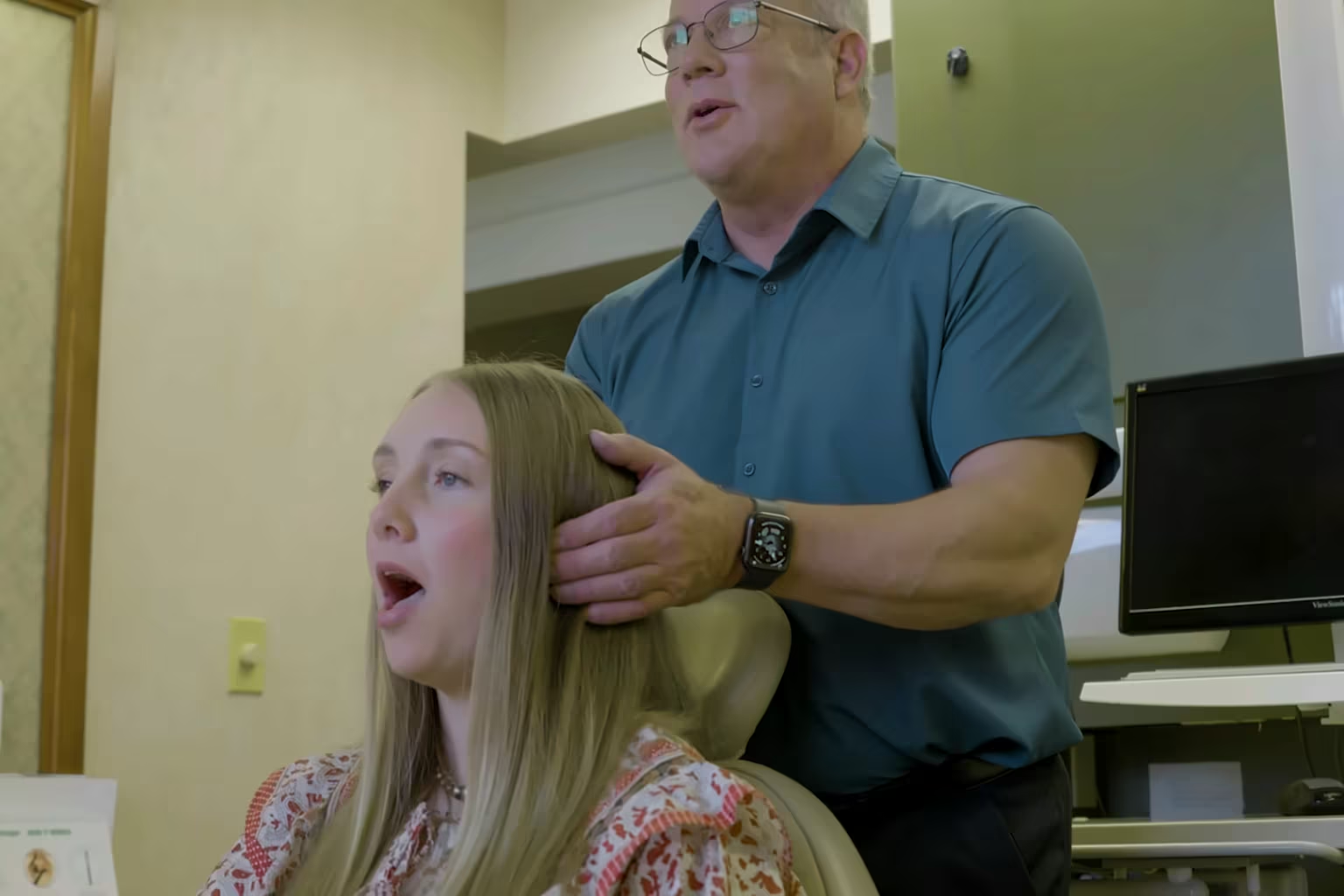
Signs You May Notice
TMJ pain shows up in the joint itself and in the areas it refers pain to.
What patients feel
- Jaw pain or tenderness
- Clicking or popping in the jaw
- Headaches or migraines
- Earaches and facial pressure
- Limited jaw opening
When to be seen: pain lasting more than two weeks, the jaw locks open or closed, pain when chewing, headaches most mornings.
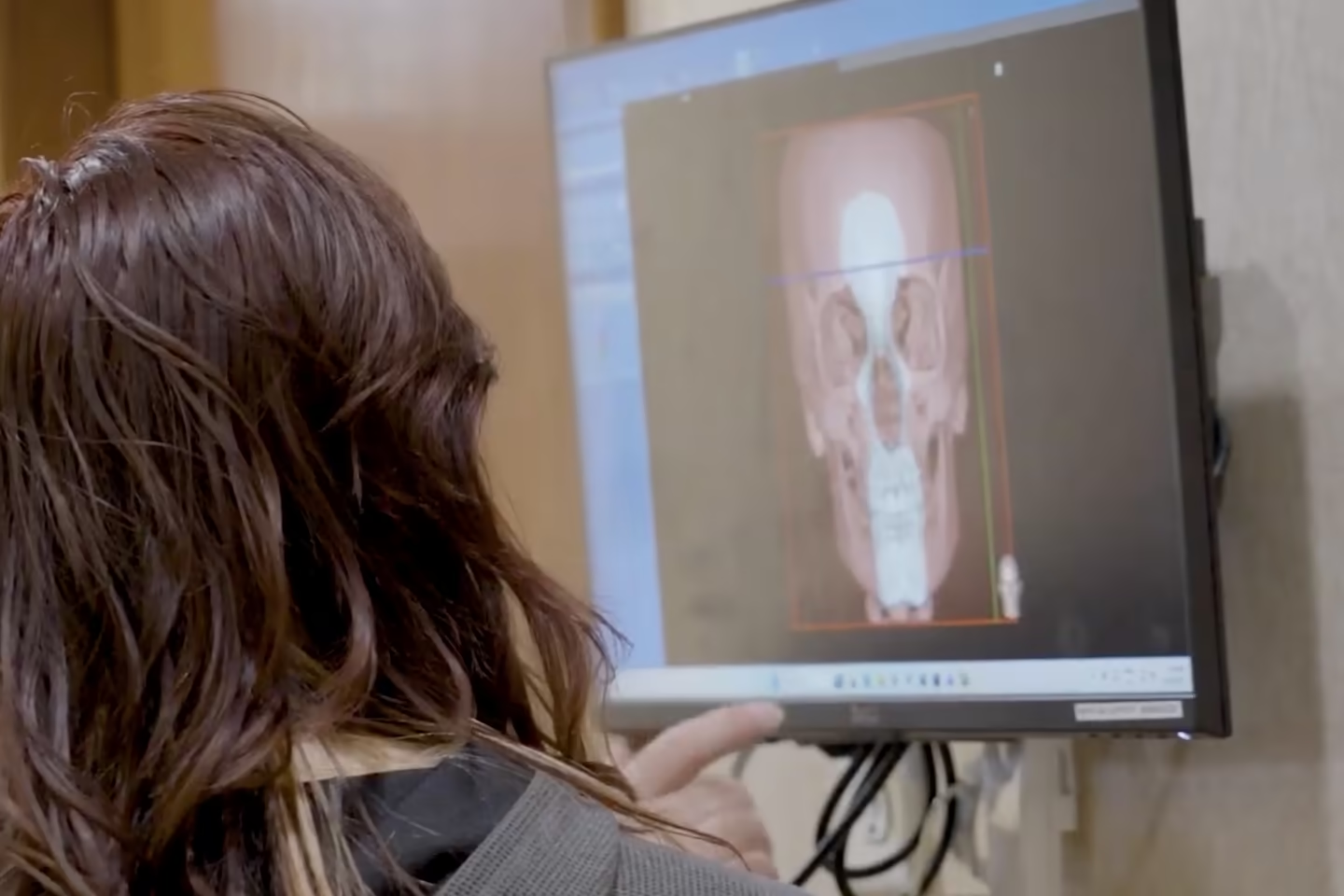
Why It Happens
TMJ pain usually has more than one contributing factor, so we look at the whole picture.
What contributes
- Clenching and grinding
- Bite misalignment
- Muscle tension and posture
- Injury
- Sleep-disordered breathing
What we measure: joint sounds, range of motion, bite, muscle palpation, airway.
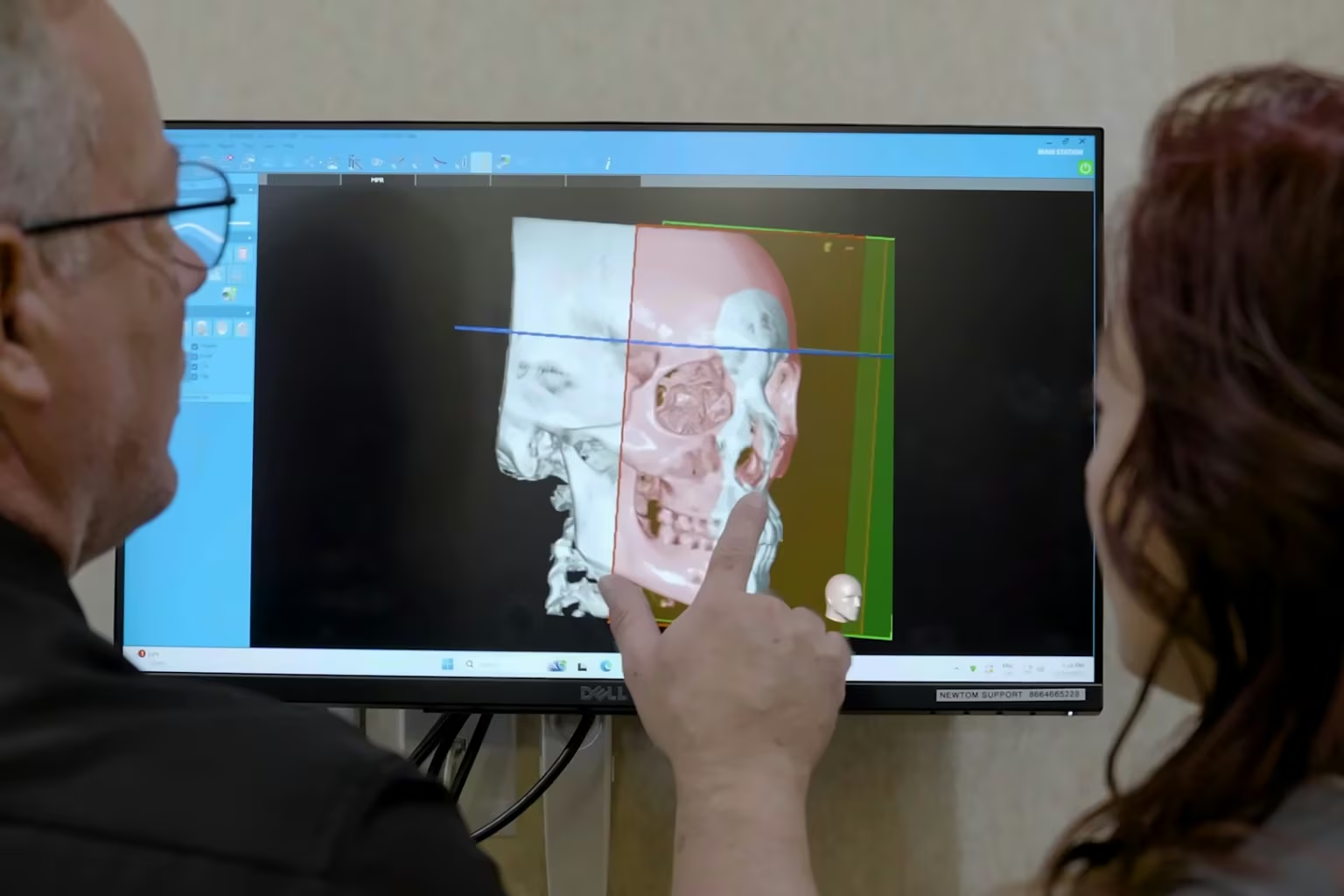
How We Evaluate and Treat It
Once we know what is driving the pain, treatment is built around your evaluation.
How we treat it
Your first visit: evaluation of your joints, muscles and bite, a treatment plan built around what we find, review to track your progress.
What Is Happening
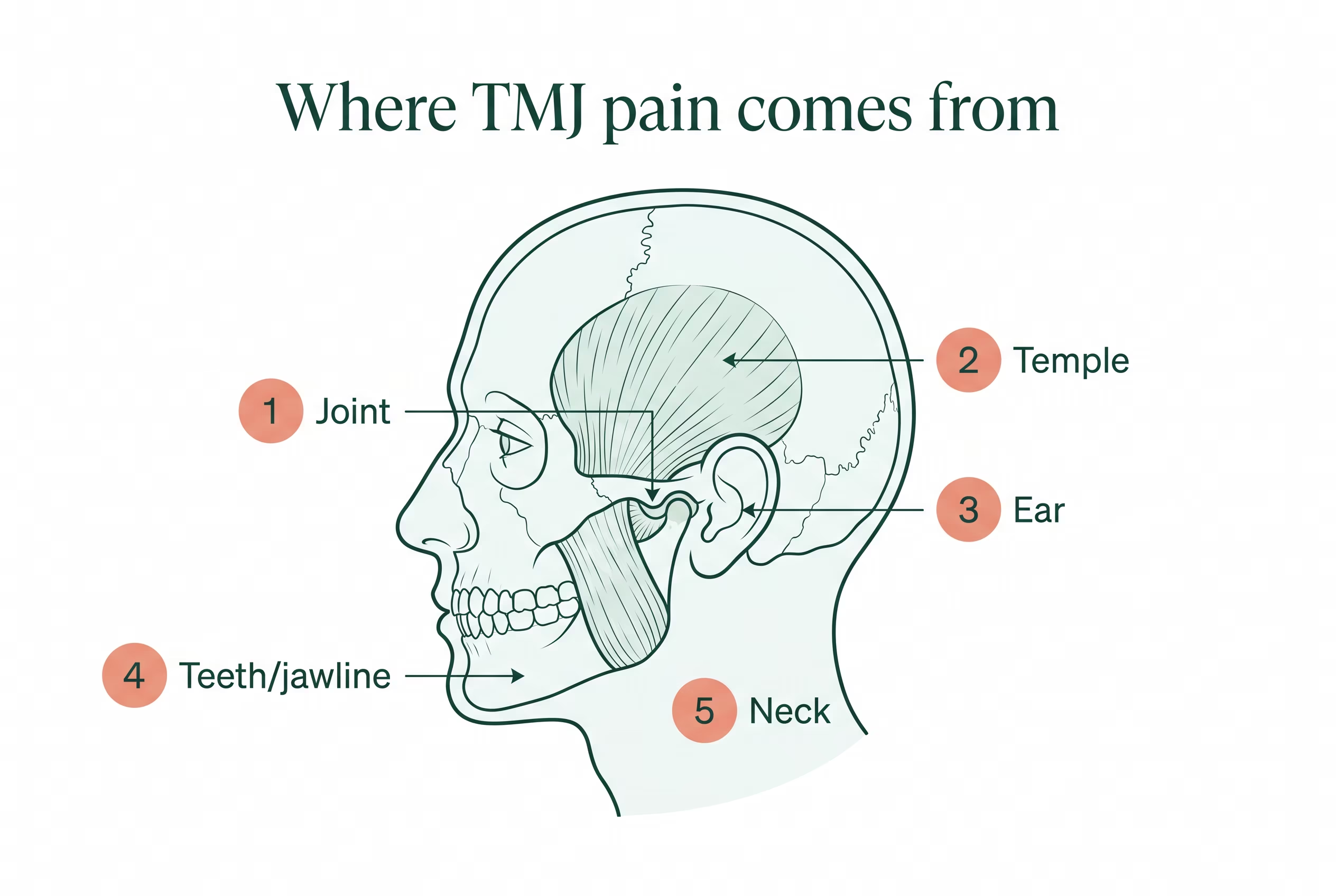
Where TMJ pain comes from
The joint, disc and chewing muscles can refer pain to the temple, ear, teeth and neck.
Ready When You Are
Stop Guessing About Your Jaw Pain
A comprehensive evaluation measures your joints, muscles and bite, then shows you what is driving the pain. Call (385) 446-4947 to book yours.
Request an Evaluation
Common Questions
Frequently Asked Questions About TMJ Pain Treatment in Utah
Look for a provider with advanced training in temporomandibular joint disorders. At TMJ and Sleep Therapy Centre of Utah, our team focuses on thorough evaluation and care that does not involve surgery, aimed at improving jaw comfort and function.
Yes, for many patients. A custom oral appliance can help reduce the effects of clenching and grinding, ease joint pressure, and help protect the teeth. It is custom-made to fit your bite and worn to protect your jaw during sleep.
During a flare-up, rest your jaw, avoid hard or chewy foods, and apply warm or cold compresses. Using your prescribed oral appliance and following your care plan can help calm symptoms more quickly.
In some cases, mild TMJ discomfort may improve with rest and self-care. However, persistent or worsening TMJ pain should be evaluated, since early care can help limit longer-term joint problems.
If You Are Not Sure Yet
Take a symptom assessment
A few minutes of questions to help you describe what you are experiencing. It is not a diagnosis; it gives us somewhere to begin.
Jaw, face or head pain
Jaw pain, headaches, or clicking when you chew may point to a TMJ disorder, or to something that interacts with it.TMJ Symptom Assessment
Snoring, fatigue or broken sleep
Snoring, gasping for air, or waking unrefreshed can be signs of a sleep-related breathing problem.Sleep Symptom Assessment