

True trigeminal neuralgia is a neurological condition, diagnosed and treated by a physician or neurologist, typically with medication or, in some cases, a procedure. At TMJ and Sleep Therapy Centre of Utah, what we can do is evaluate whether jaw dysfunction is producing similar or overlapping pain, and treat that piece with non-surgical care such as custom oral appliances. If your symptoms point to true nerve involvement, we’ll help you get to the right specialist.
Payson, Utah
Trigeminal Neuralgia & Facial Nerve Pain
Sudden, electric facial pain can have more than one source. We evaluate whether jaw dysfunction, nerve irritation or both are involved, and build a plan around what we find, without surgery or heavy medication.

Facial Pain Relief in Utah
What is Trigeminal Neuralgia?
Trigeminal Neuralgia (TN) is a chronic pain condition affecting the nerve that carries sensation from your face to your brain.
Signs you may notice:
Sudden, stabbing, electric-shock facial pain
Pain lasting seconds to minutes, often on one side
Triggered by chewing, speaking, brushing teeth, or light touch
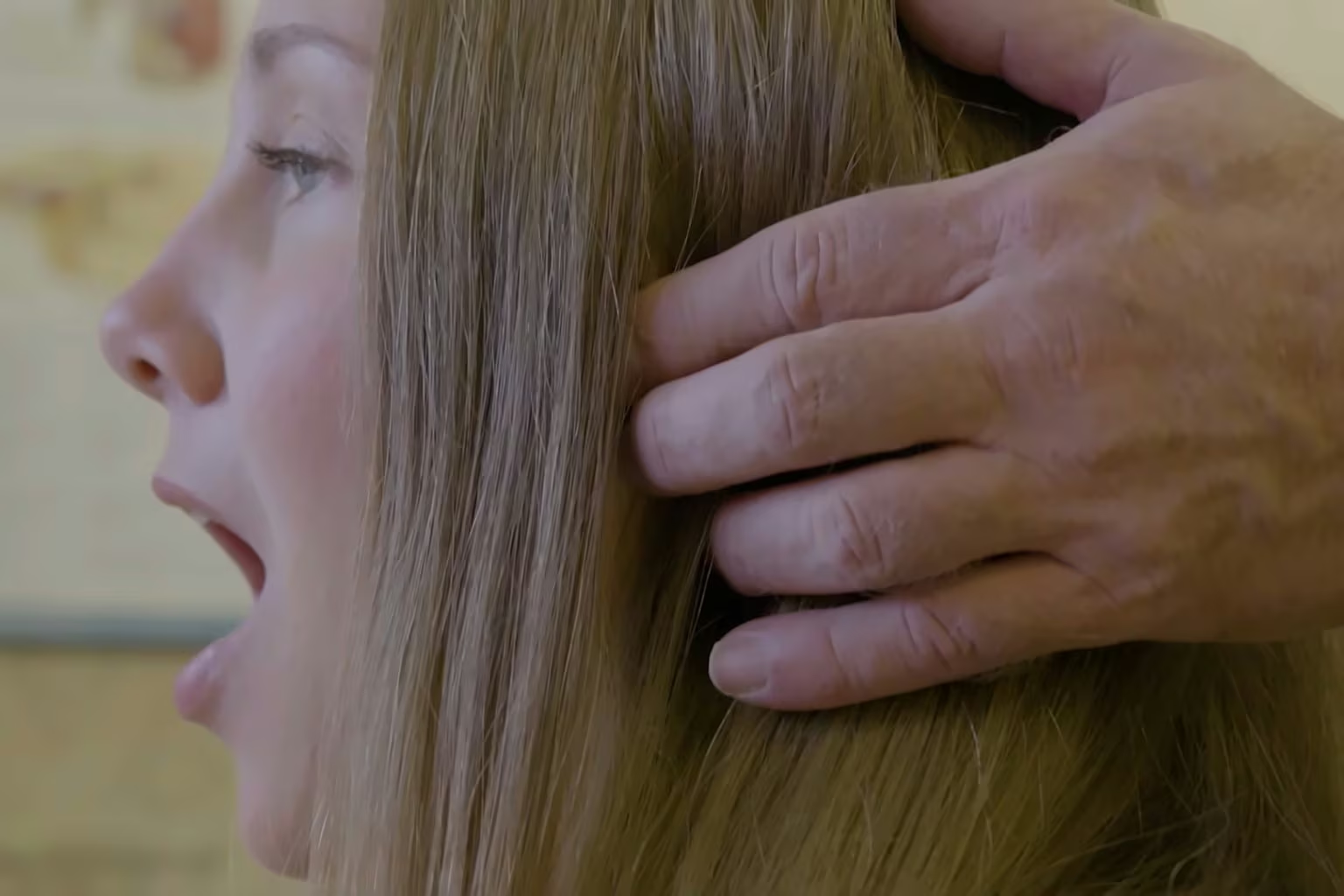
What Is Happening
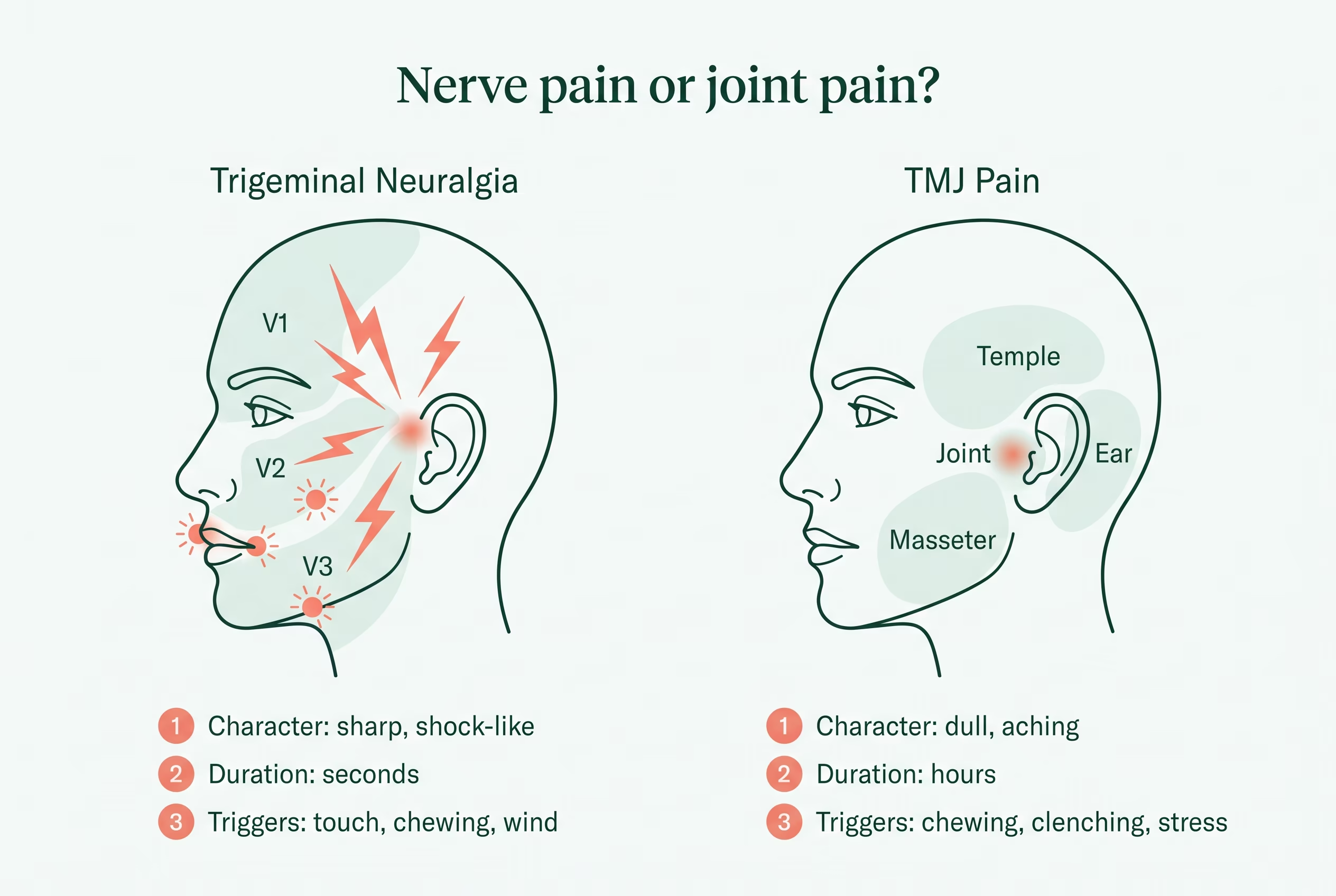
Nerve pain or joint pain?
Trigeminal neuralgia and TMD pain feel different, sharp and electric versus dull and aching, and we tell them apart.
Signs, Causes & Care
Signs • Causes • How We Evaluate and Treat
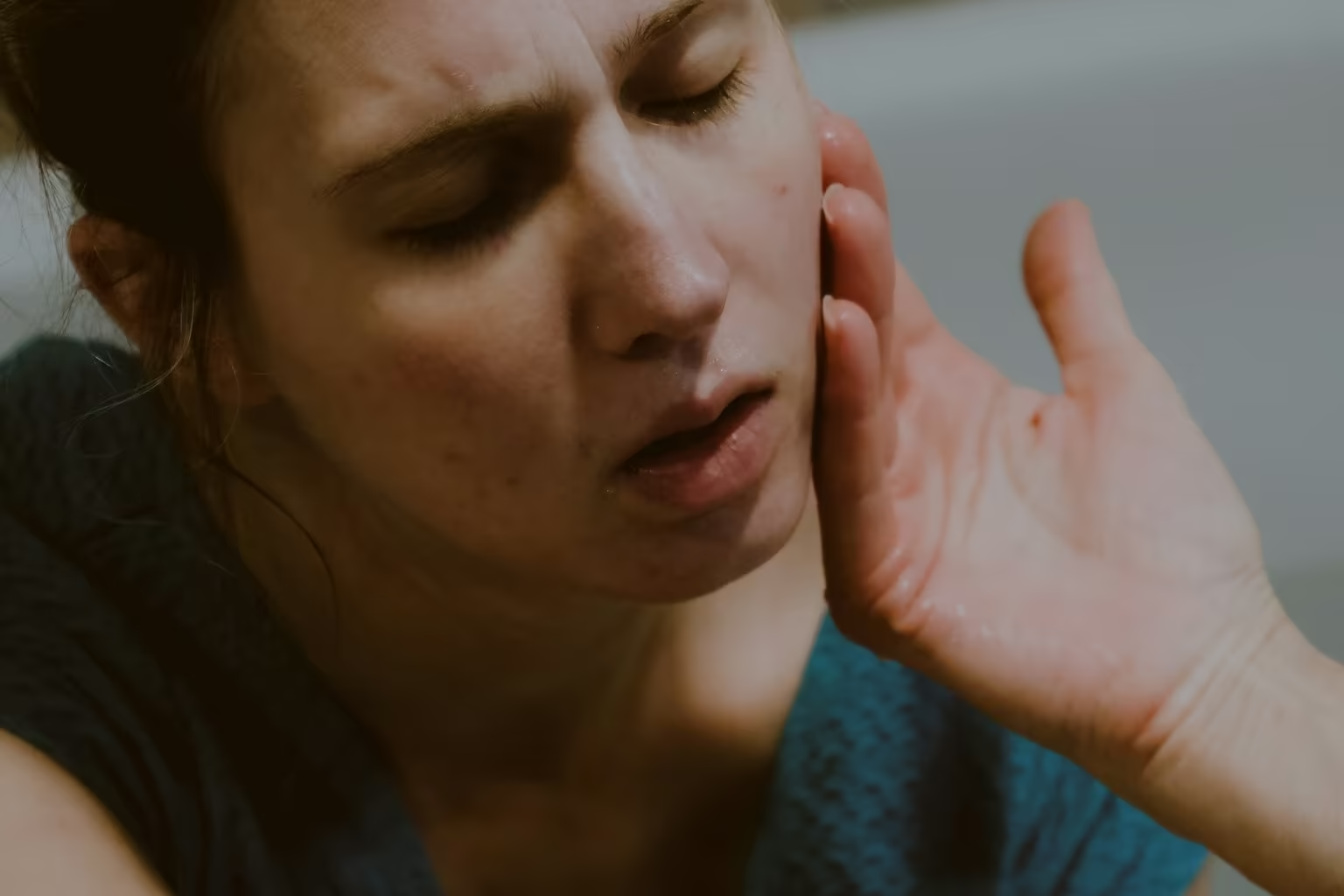
Signs You May Notice
Trigeminal neuralgia pain has a distinctive pattern that sets it apart from typical facial or jaw pain.
Signs to watch for
- Sudden, electric-shock facial pain
- Lasts seconds to a few minutes
- Usually confined to one side
- Triggered by touch, chewing or brushing
- Comes in episodes, then eases
Also common alongside: jaw tension, headaches, disrupted sleep.
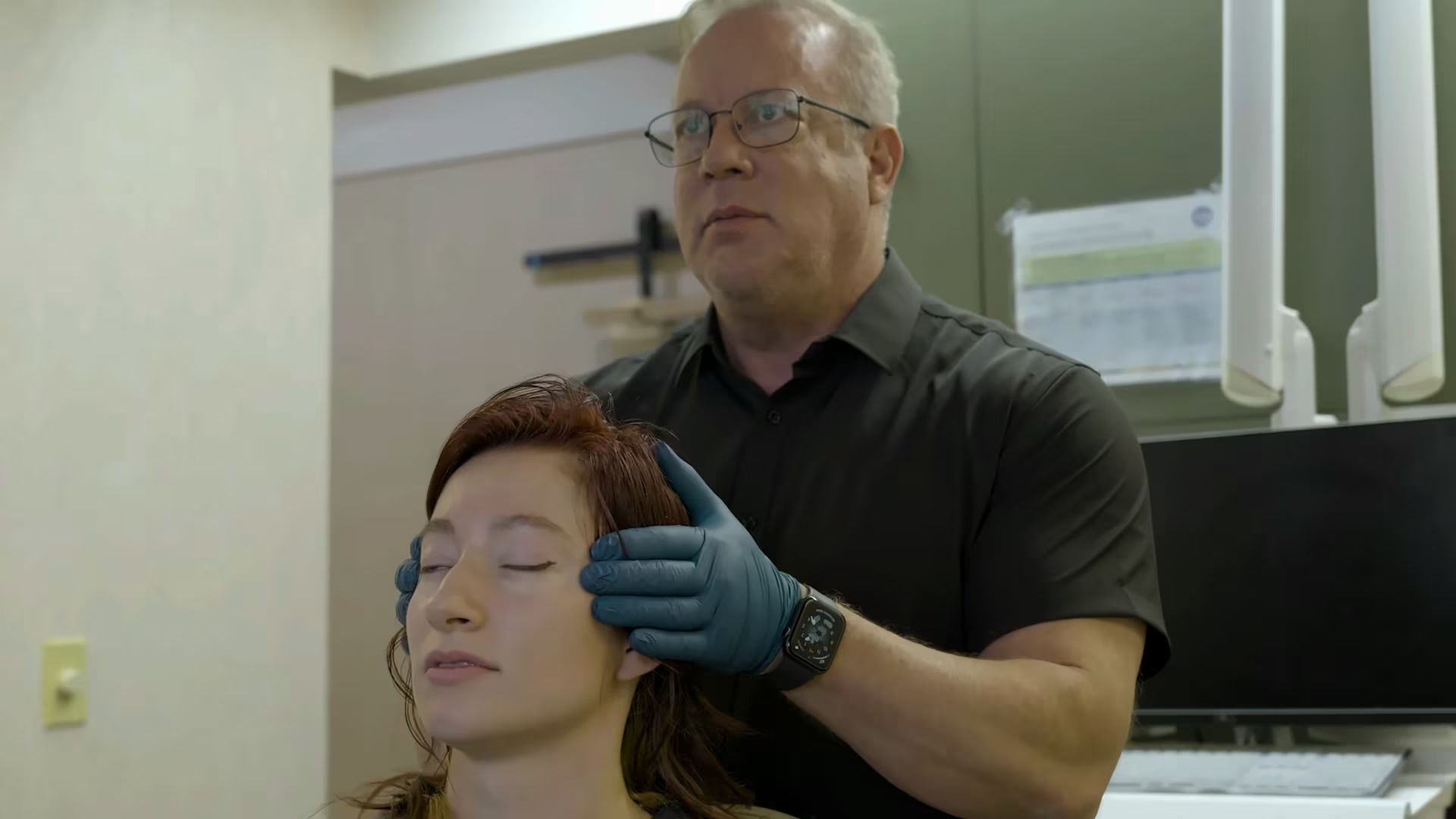
What May Be Contributing
True trigeminal neuralgia is a neurological condition, most often caused by a blood vessel compressing the nerve, and it is diagnosed and treated by a physician or neurologist. TMD can produce facial pain that feels similar, and jaw mechanics can be part of that picture.
What contributes
- Blood vessel compression of the nerve (a neurological cause)
- Bruxism (teeth grinding)
- Jaw misalignment or muscle imbalance
- Sleep-related breathing disorders
- Nerve trauma or injury
Why we evaluate both: jaw tension and true nerve compression can feel similar, so telling them apart matters. If your pain points to true nerve involvement, we refer you to a neurologist.
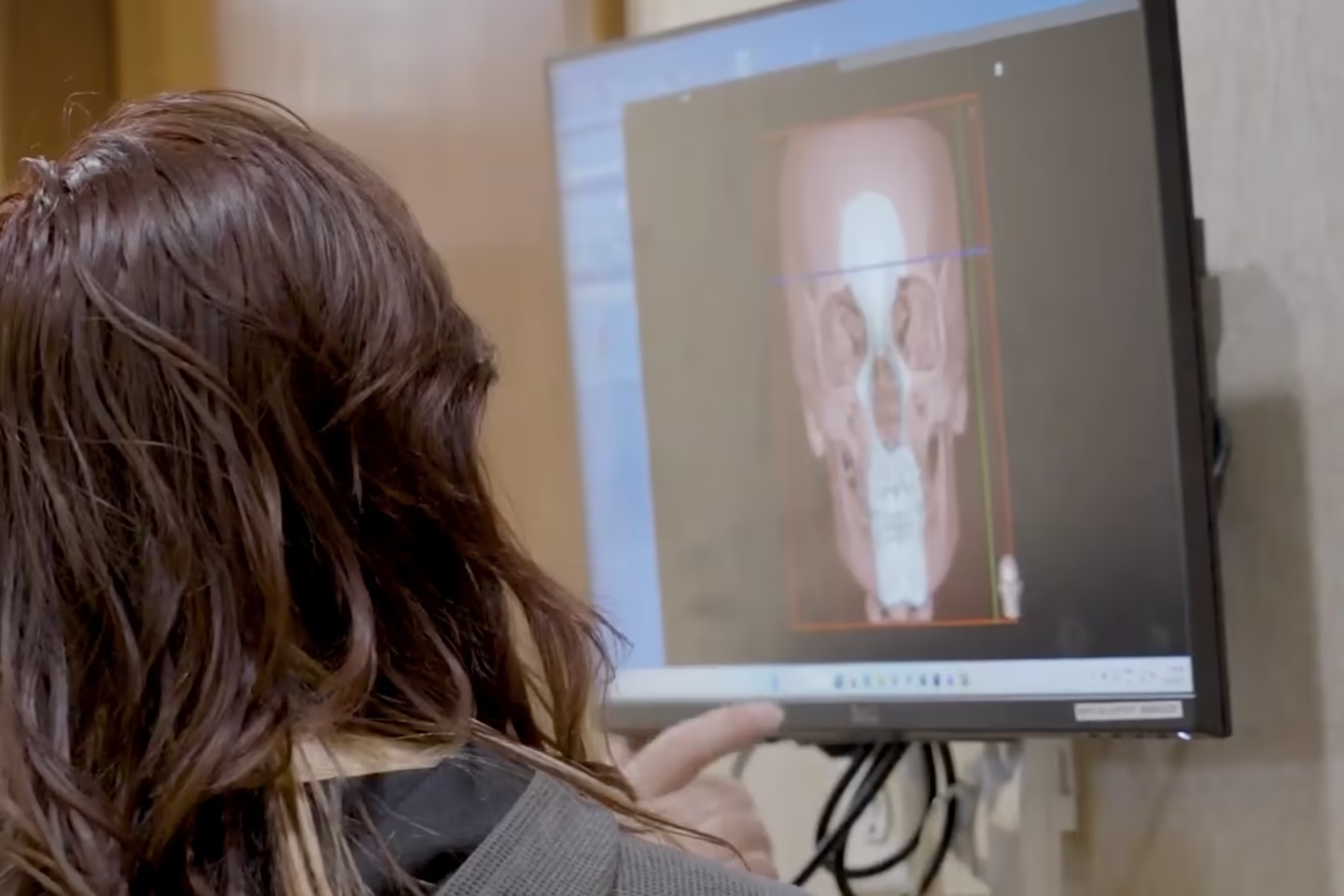
How We Evaluate and Treat It
Once we know what is driving the pain, treatment addresses the jaw and muscle factors we find — the piece within our scope to treat.
How we treat it
- Custom oral appliance therapy
- MLS/Summus laser therapy
- Craniofacial and muscle therapy
- Comprehensive evaluation of airway and sleep factors
We coordinate care: We coordinate with your physician or a neurologist when nerve imaging or further testing is needed.
Ready When You Are
Sharp Facial Pain Deserves a Real Answer
One evaluation tells us whether the nerve, the joint or both are involved, and what to do first. Call (385) 446-4947.
Request an Evaluation
Common Questions
Frequently Asked Questions About Trigeminal Neuralgia
TMD pain usually comes from the jaw joint or the muscles around it. Trigeminal neuralgia is a nerve disorder that causes sharp, electric shock-like facial pain. A thorough evaluation helps us tell them apart and determine which one, or both, may be driving your symptoms.
TMD doesn’t cause trigeminal neuralgia, but jaw tension can produce pain that feels similar, and the two can occur together. Improving jaw function may ease the TMD component of your pain; true nerve-related pain needs medical or neurological care.
TMJ and Sleep Therapy Centre of Utah evaluates complex facial pain for patients across Utah County, focusing on non-surgical care aimed at improving comfort and function.
If You Are Not Sure Yet
Take a symptom assessment
A few minutes of questions to help you describe what you are experiencing. It is not a diagnosis; it gives us somewhere to begin.
Jaw, face or head pain
Jaw pain, headaches, or clicking when you chew may point to a TMJ disorder, or to something that interacts with it.TMJ Symptom Assessment
Snoring, fatigue or broken sleep
Snoring, gasping for air, or waking unrefreshed can be signs of a sleep-related breathing problem.Sleep Symptom Assessment