
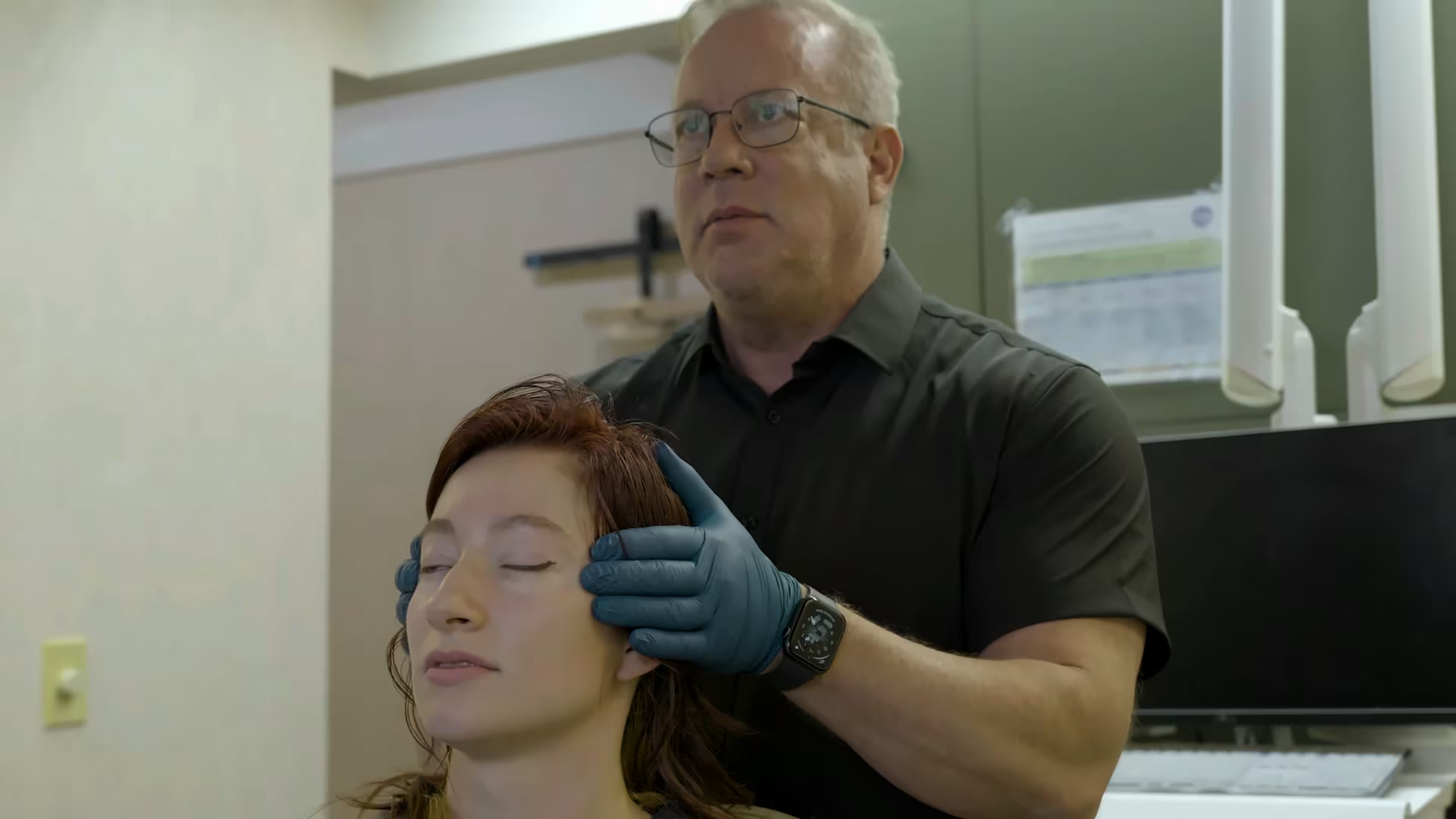
Jaw clenching often has more than one contributing factor — stress, bite misalignment, muscle tension, and airway or breathing patterns can all play a role. Over time, clenching can strain the temporomandibular joint and contribute to discomfort, headaches, and tooth wear.
Payson, Utah
Jaw Clenching
Jaw clenching can contribute to tension, pain, and long-term TMJ issues. We provide expert care to reduce muscle strain, improve jaw function, and address complications with therapies that do not involve surgery.

Jaw Clenching Treatment in Utah
Effective Treatment for Jaw Clenching and TMJ Relief
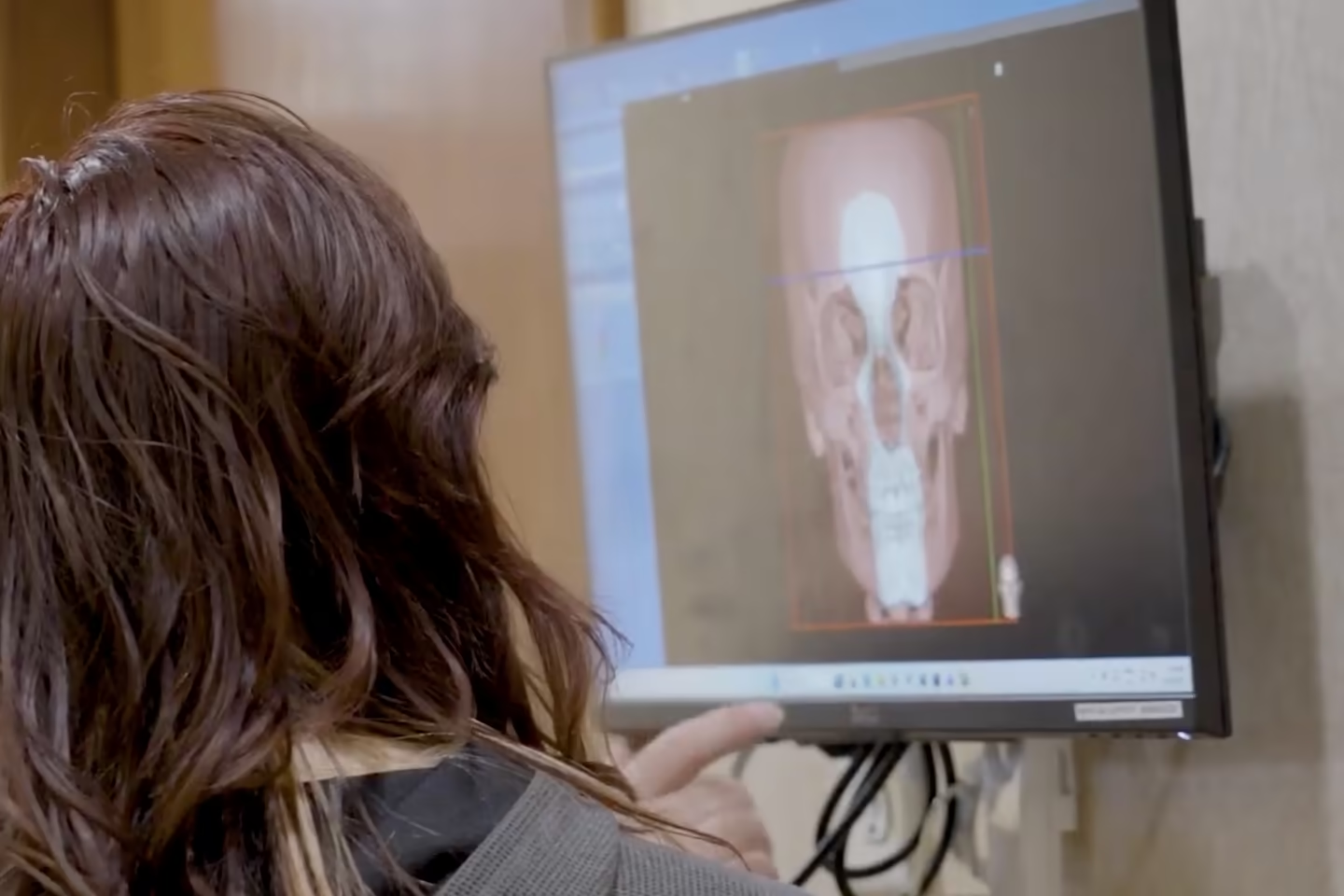
At TMJ and Sleep Therapy Centre of Utah, we evaluate jaw clenching—a common pattern that can contribute to tension, pain, and long-term strain on the TMJs. Our experienced team uses advanced diagnostics to find what’s driving the clenching before recommending personalized, non-surgical care aimed at relieving discomfort, reducing muscle strain, and improving jaw function.
Common jaw clenching symptoms include: these are reasons to be evaluated, not a diagnosis.
Chronic jaw tension and tightness
Facial pain and tenderness
Headaches or migraines
Tooth wear or fractures
Clicking or popping in the jaw
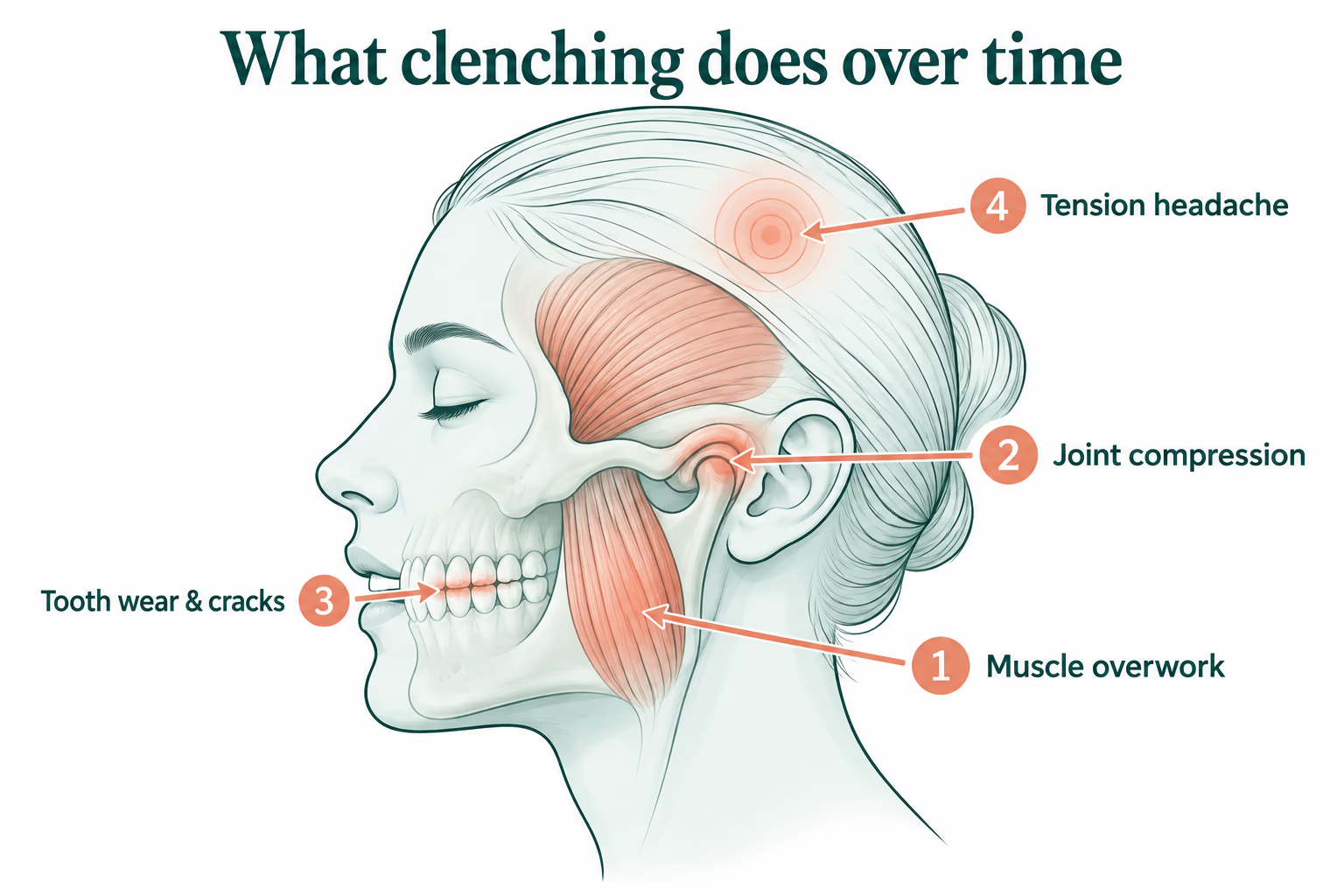
What Is Happening
What clenching does over time
Chronic clenching can overwork the jaw muscles, compress the joint, wear down teeth, and contribute to tension headaches.
Signs, Causes & Care
Signs • Causes • How We Evaluate and Treat
Signs You May Notice
Jaw clenching often shows up as tension and wear before it becomes painful.
Signs to watch for
- Chronic jaw tension or tightness
- Facial tenderness
- Morning headaches
- Tooth wear or fractures
- Clicking or popping
Often noticed by: a partner who hears grinding at night, wear noticed at a checkup, waking up sore.
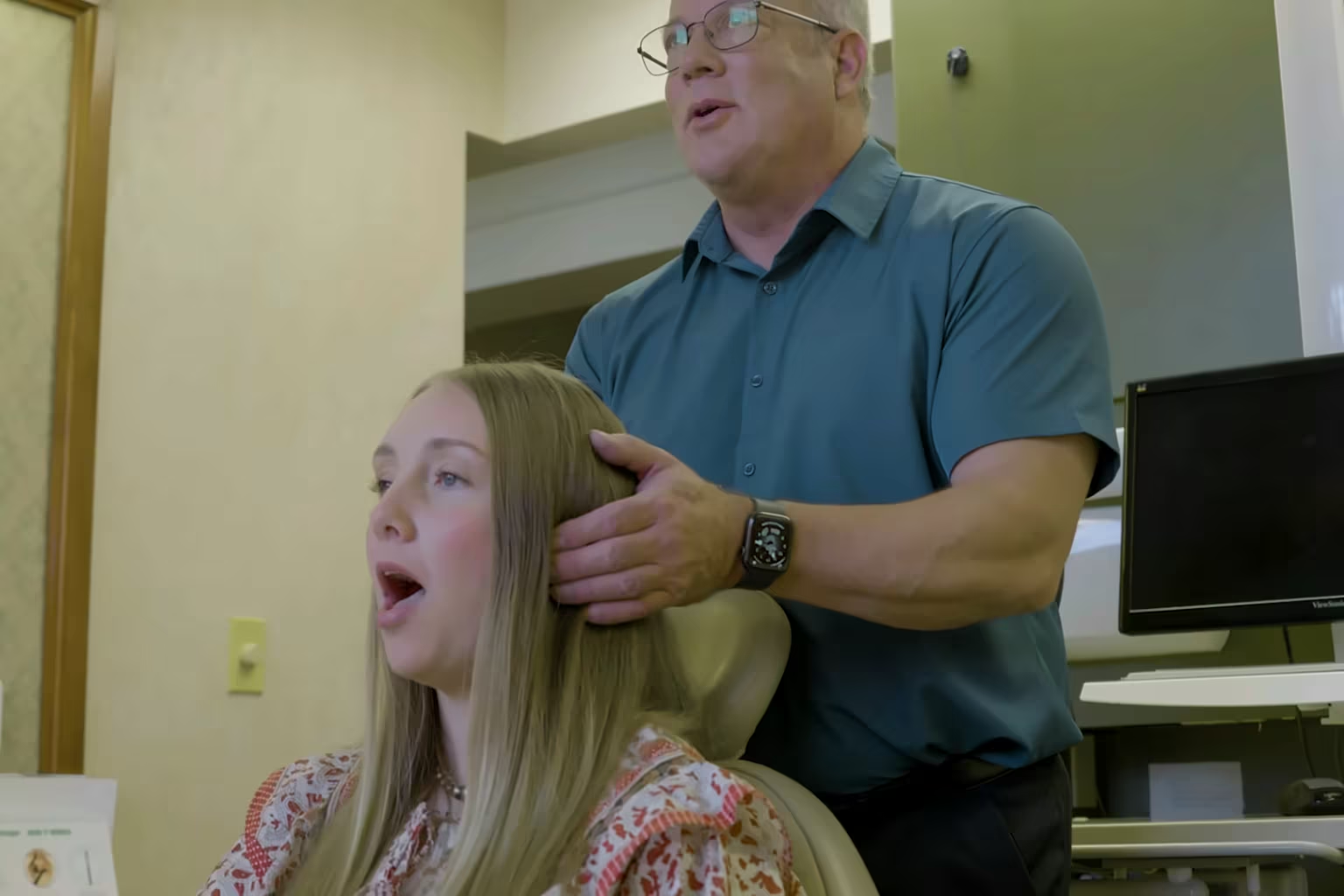
What Contributes to Clenching
Clenching often has more than one contributing factor — airway and breathing patterns can be as significant as stress.
What contributes
- Sleep-disordered breathing
- Bite misalignment
- Muscle tension
- Stress
What we check: bite alignment, muscle palpation, airway, sleep screening.
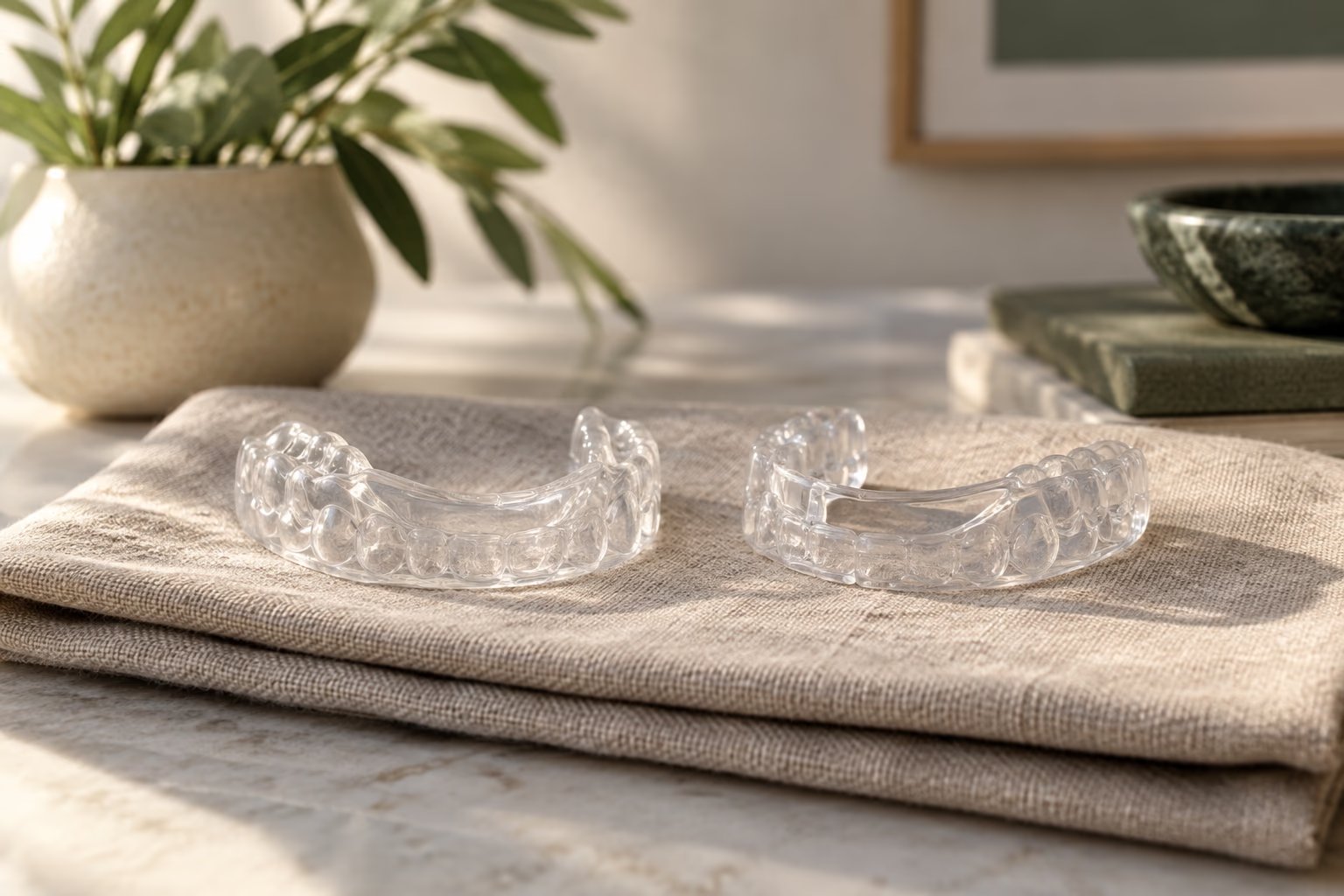
How We Evaluate and Treat It
Once we know what is driving the clenching, treatment targets the muscles and the joint together.
How we treat it
- Custom oral appliance
- Muscle therapy and myofunctional exercises
- Lifestyle and stress plan
Our goal: Comfort, balance, and long-term jaw health.
Ready When You Are
Release the Tension in Your Jaw
Targeted, patient-focused care aimed at easing discomfort and helping protect your jaw. Call (385) 446-4947 to book an evaluation.
Request an Evaluation
Common Questions
Frequently Asked Questions About Jaw Clenching Relief in Utah
You can reduce jaw clenching with relaxation techniques, addressing bite issues, and wearing a custom oral appliance at night. An evaluation can help identify the contributing factors and guide the right treatment plan for you.
Symptoms can include jaw soreness, headaches, facial muscle fatigue, tooth sensitivity, and clicking or popping sounds in the jaw. Persistent jaw clenching pain may indicate a TMD that needs professional care.
Yes. Most cases of TMJ jaw clenching can be managed with non-surgical treatments like oral appliances, muscle relaxation therapy, stress reduction, and targeted jaw exercises.
Early treatment can help reduce the risk of long-term issues such as tooth wear, gum recession, chronic headaches, and worsening TMJ pain. For many patients, addressing jaw clenching early supports better long-term oral health.
If You Are Not Sure Yet
Take a symptom assessment
A few minutes of questions to help you describe what you are experiencing. It is not a diagnosis; it gives us somewhere to begin.
Jaw, face or head pain
Jaw pain, headaches, or clicking when you chew may point to a TMJ disorder, or to something that interacts with it.TMJ Symptom Assessment
Snoring, fatigue or broken sleep
Snoring, gasping for air, or waking unrefreshed can be signs of a sleep-related breathing problem.Sleep Symptom Assessment