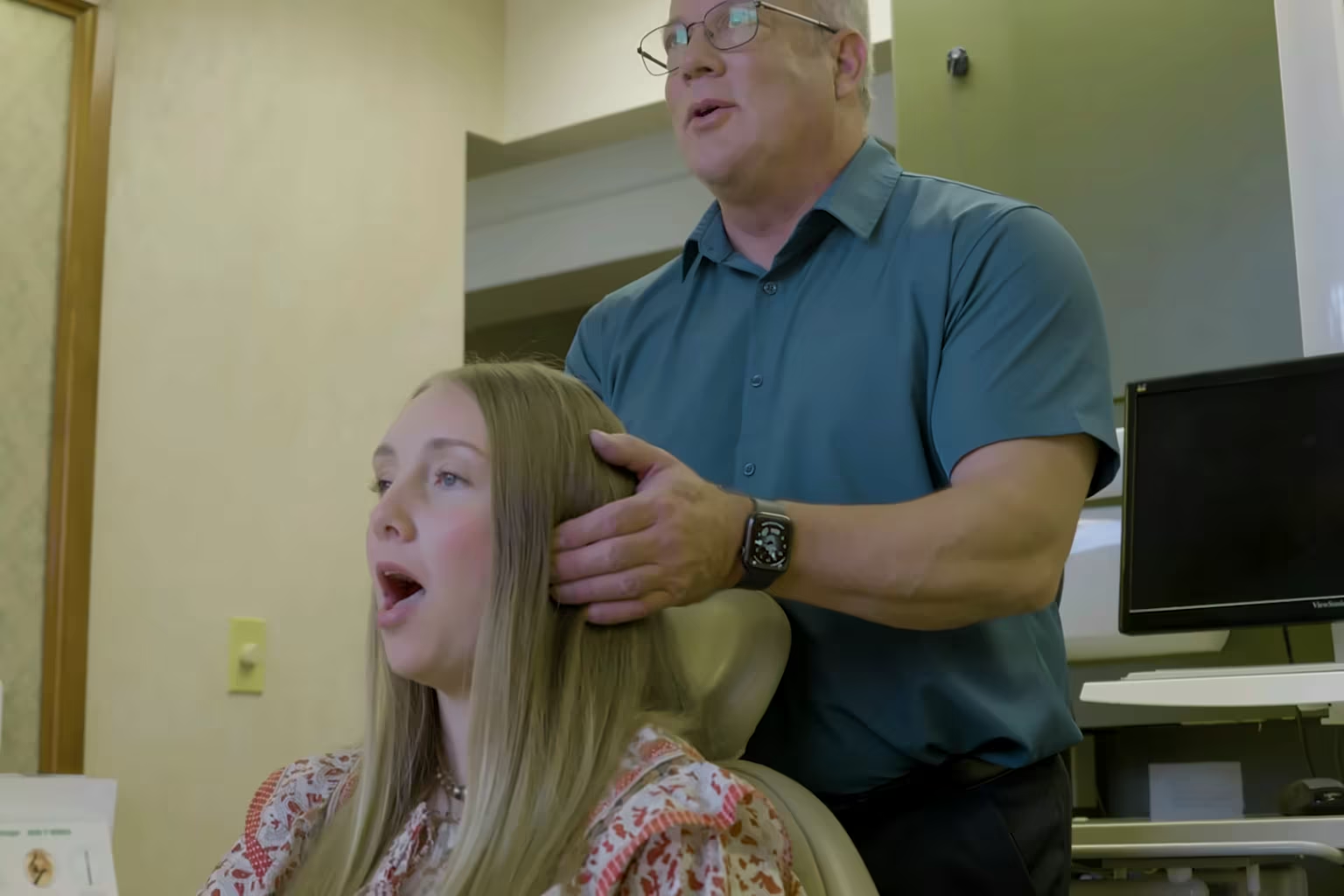
It can, for some patients. The muscles that control your jaw share attachments with the ones supporting your head and neck. When jaw movement is unbalanced, those muscles may hold extra tension through the cervical region, which can show up as soreness and stiffness.
Payson, Utah
Neck Pain & Posture
Neck tightness that keeps coming back can be connected to the jaw. We look at how your jaw, posture and airway work together, then build a plan around what we find, without surgery.

Neck Pain Treatment in Utah
Care for Neck and Shoulder Tension
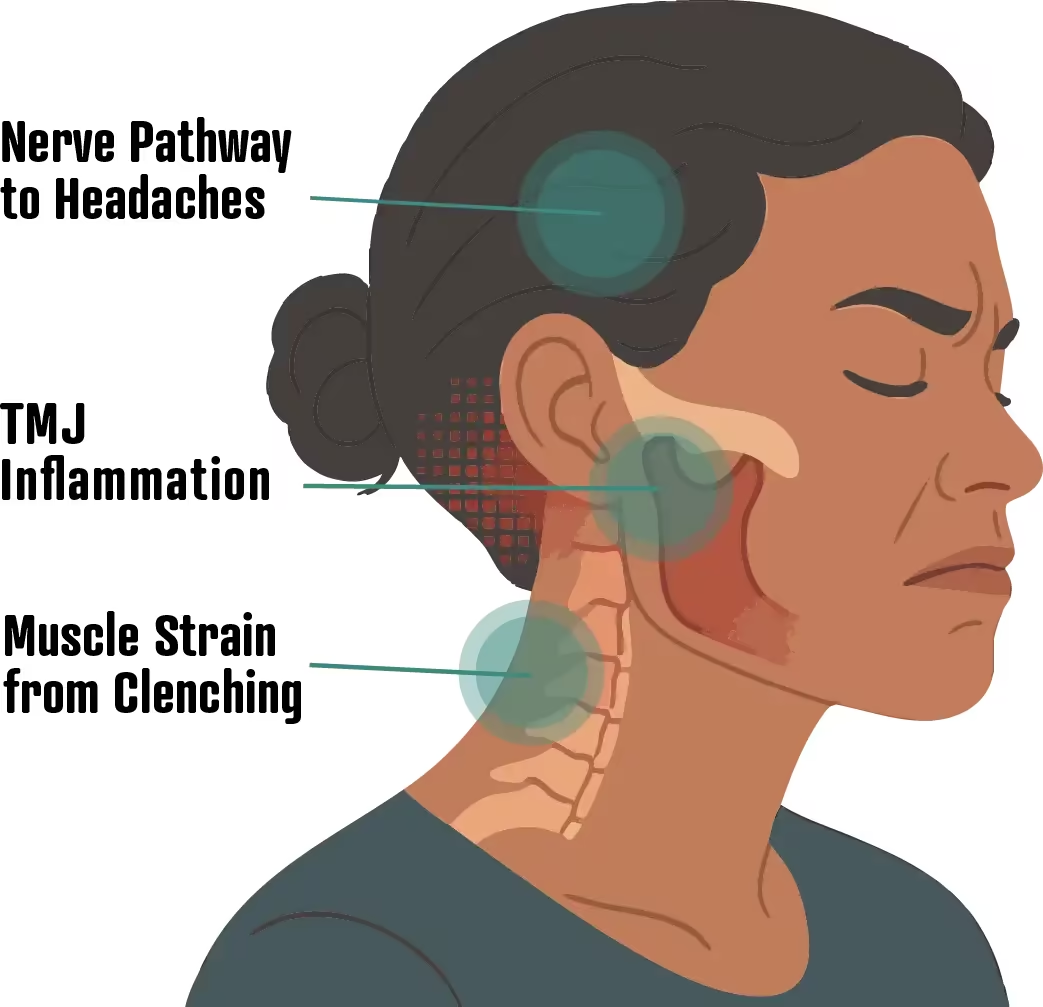
Neck pain is one of the most common symptoms we see alongside a jaw problem. The muscles that steady your jaw share attachments with the ones holding up your head, so when the bite is off or the joint is irritated, the neck can end up taking on work it wasn’t meant to do.
Common neck symptoms we evaluate include:
Tightness that builds through the day
Trouble turning your head or looking up
Pain spreading into the shoulders
Aching at the base of the skull
Soreness that worsens with clenching
What Is Happening
One chain, from jaw to shoulder
The jaw muscles and the muscles stabilising your head and neck pull on the same structures. When one side overworks to compensate, the strain can travel down the cervical spine.
Signs, Causes & Care
Signs • Causes • How We Evaluate and Treat
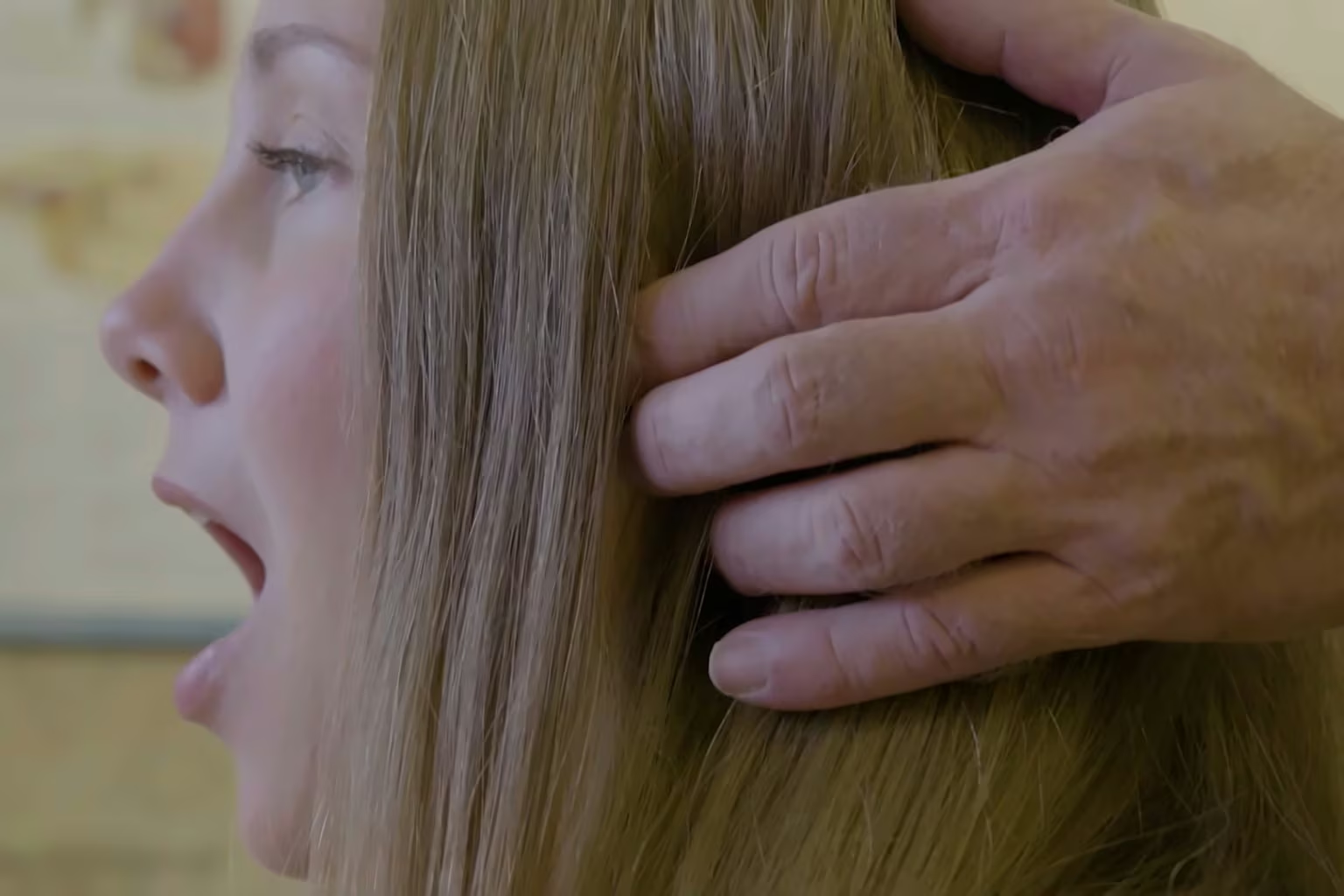
Signs You May Notice
Neck pain tied to the jaw tends to follow a pattern rather than arrive after one injury.
Signs to watch for
- Stiffness that worsens through the day
- Limited range of motion
- Pain into the shoulders and upper back
- Aching at the base of the skull
- Worse after a stressful day or a night of clenching
Also common alongside: headaches, jaw clicking, disturbed sleep.
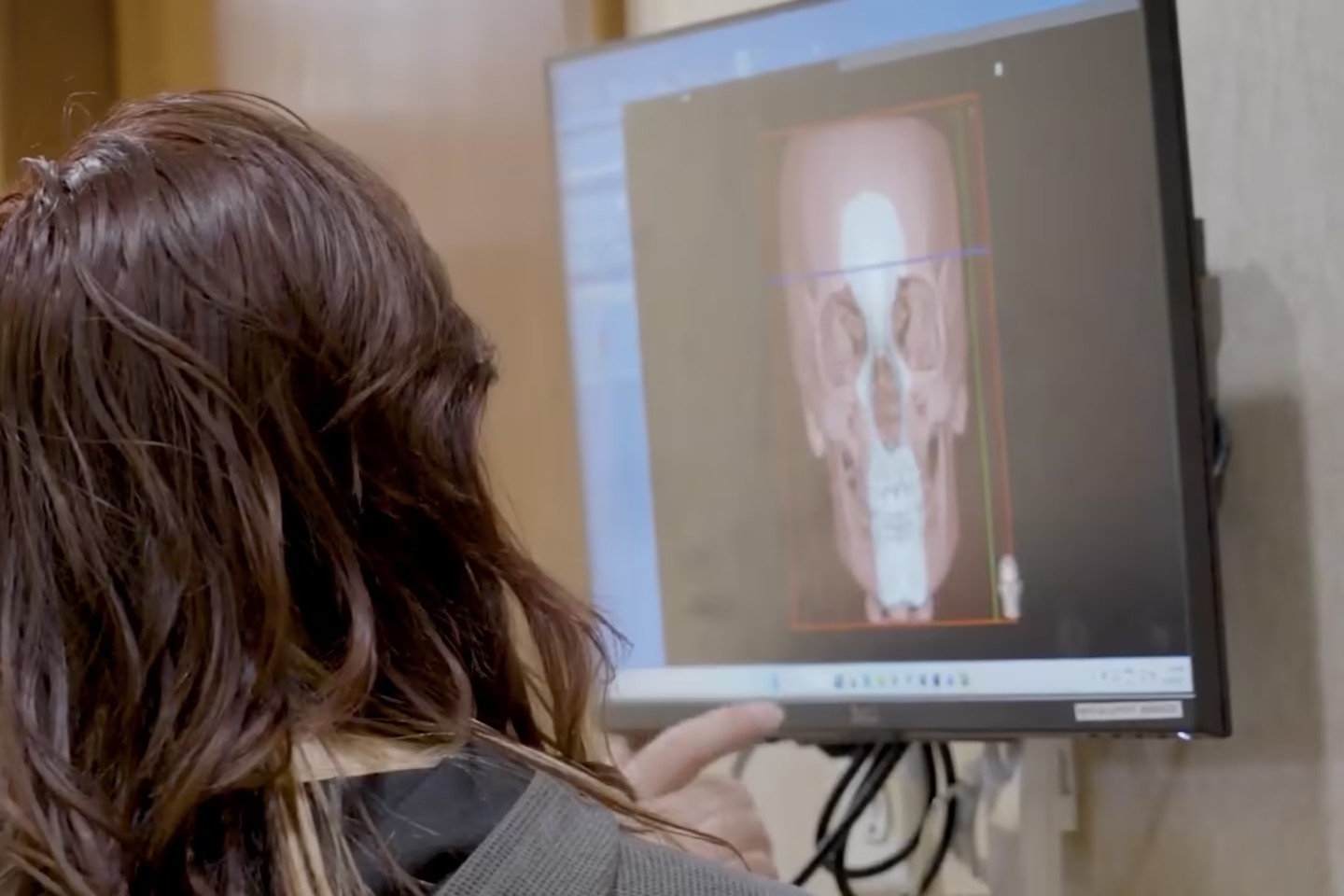
How the Jaw May Be a Factor
Persistent neck tension usually has more than one contributor, and the jaw is the one most often missed.
What contributes
- Jaw joint strain or misalignment
- Clenching and grinding
- Forward head posture
- A restricted airway changing head position
Why the jaw: the muscles that move it share attachments with those that steady the head, so strain in one can show up in the other.
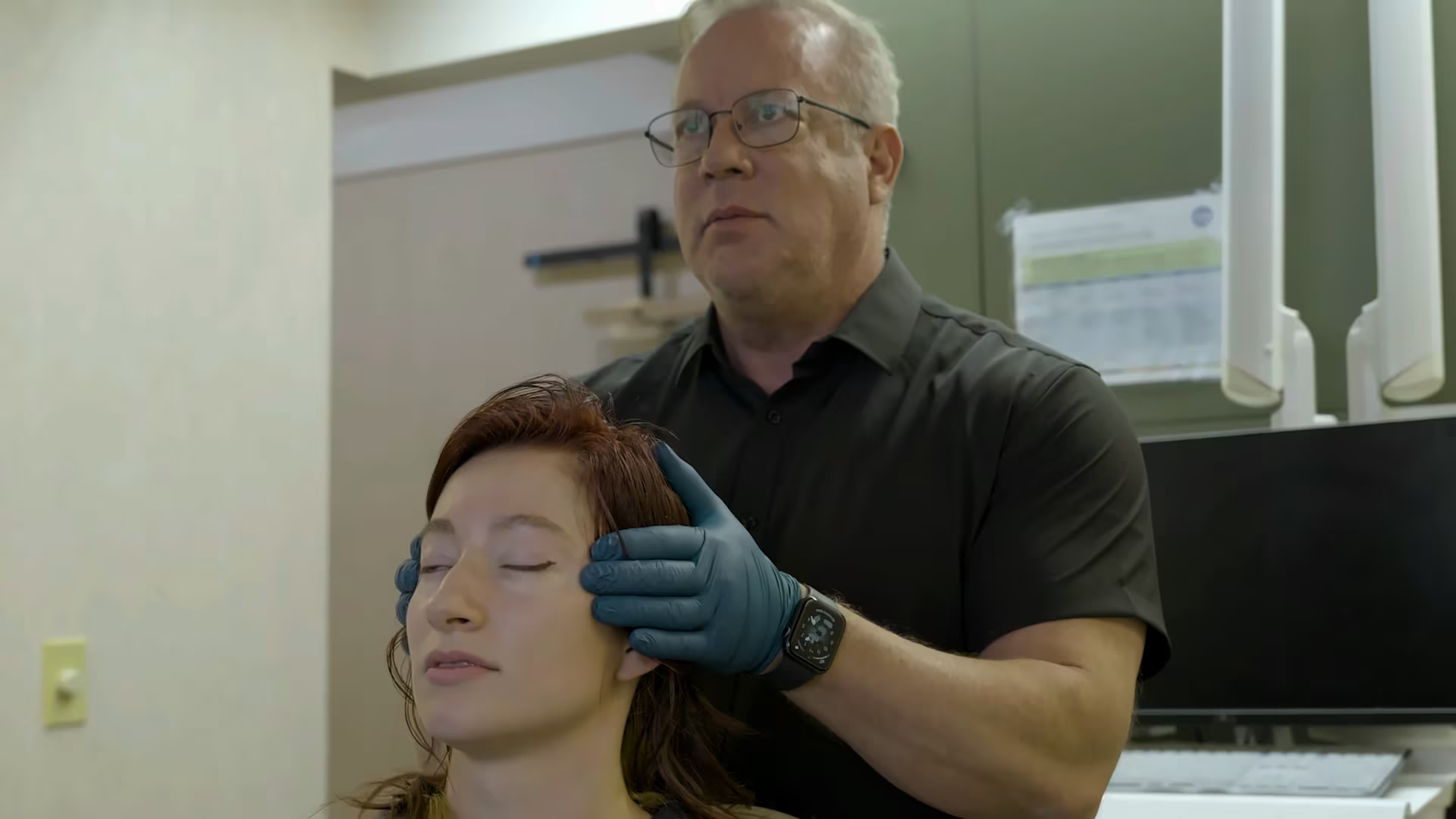
How We Evaluate and Treat It
We work out which of those is loading your neck before we treat anything.
How we treat it
- Oral appliances
- MLS/Summus laser therapy
- Craniofacial and muscle therapy
- Posture and jaw position work
We coordinate care: we work with your physical therapist or chiropractor when the neck needs hands-on treatment too.
Ready When You Are
Find Out What Is Straining Your Neck
If the stiffness keeps returning and stretching has stopped helping, the jaw may be the reason. Call (385) 446-4947 and we will take a look.
Request an Evaluation
Common Questions
Frequently Asked Questions About Neck Pain and TMJ
Chewing and long stretches of talking use the same muscle groups that steady the neck. If the jaw joint is already strained, those muscles can tighten and tire faster, and discomfort can settle into the neck.
Often, yes. Forward head posture and long hours at a desk load the jaw and the cervical muscles at the same time. Correcting posture alone rarely settles it, which is why we look at jaw position and airway together.
Care is built around what the evaluation finds, and may include an oral appliance, laser therapy, muscle release or myofunctional therapy. The aim is to take the load off the muscles rather than manage the ache.
TMJ and Sleep Therapy Centre of Utah evaluates neck pain that may be connected to the jaw, with care aimed at the underlying factors we find, without surgery.
If You Are Not Sure Yet
Take a symptom assessment
A few minutes of questions to help you describe what you are experiencing. It is not a diagnosis; it gives us somewhere to begin.
Jaw, face or head pain
Jaw pain, headaches, or clicking when you chew may point to a TMJ disorder, or to something that interacts with it.TMJ Symptom Assessment
Snoring, fatigue or broken sleep
Snoring, gasping for air, or waking unrefreshed can be signs of a sleep-related breathing problem.Sleep Symptom Assessment